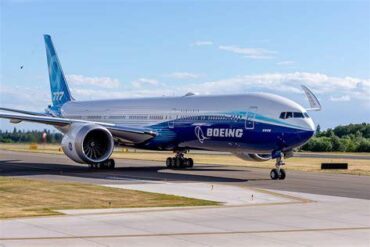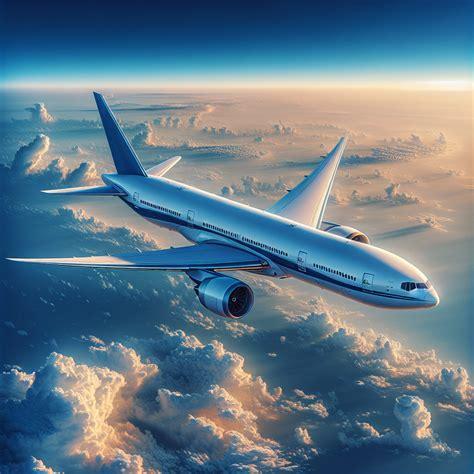
After a prolonged hiatus, Boeing (NYSE: BA) has officially resumed deliveries of its embattled 737 MAX aircraft to China, marking a pivotal turning point in the U.S. aerospace giant’s relationship with one of its most strategically important markets. The move not only symbolizes renewed trust in the aircraft’s safety and regulatory compliance but also offers a powerful signal to global investors and airline industry stakeholders that Boeing’s most commercially successful aircraft is reclaiming its footing in key international corridors.
The recent landing of a Boeing 737 MAX 8 in Madeira, following its direct connection to New York, reflects an operational milestone in the transatlantic deployment of the MAX family. Yet, it is the rekindled activity between Boeing and Chinese carriers that holds the most significance for the company’s global strategy.
The End of a Diplomatic and Commercial Freeze
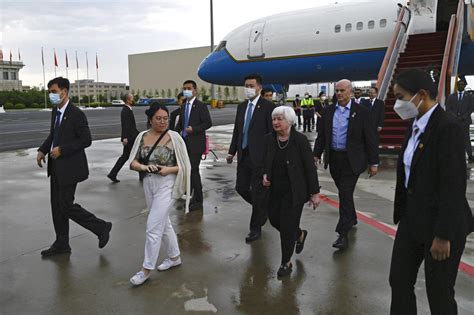
The resumption of MAX deliveries comes after a four-year suspension in China, triggered by the aircraft’s global grounding following two fatal crashes involving Lion Air and Ethiopian Airlines in 2018 and 2019 respectively. In that time, China emerged as one of the last major aviation markets to lift the grounding, driven as much by technical reassurances as by geopolitical complexity involving U.S.-China trade tensions and strategic technology competition.
China’s civil aviation regulator, CAAC (Civil Aviation Administration of China), finally cleared the 737 MAX for flight in January 2023, but deliveries had remained in limbo, largely due to a combination of regulatory and political delays. The resumption of deliveries now indicates progress on both fronts: regulatory reconciliation and a subtle thawing of trade and aviation relations between Beijing and Washington.
Significance for Boeing’s Balance Sheet and Market Position
With China accounting for nearly 20% of Boeing’s commercial airplane backlog prior to the MAX grounding, re-entering this market is crucial for the manufacturer’s financial recovery and long-term growth. The delayed deliveries had trapped billions of dollars’ worth of inventory in Boeing’s storage facilities and further eroded confidence in its supply chain execution.
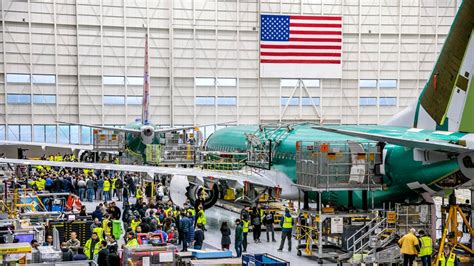
This development directly contributes to working capital improvements and supports the company’s plan to stabilize production at 38 aircraft per month, with ambitions to reach 50 by 2026. Every aircraft delivered into China not only clears valuable inventory space but represents millions in revenue recognition, usually in the range of $120–$135 million per unit, depending on customization and agreements.
More broadly, resuming Chinese deliveries sends a strategic message to the market: Boeing is recovering from its most challenging era and reasserting its role in a duopolistic global market otherwise dominated by Airbus SE (EPA: AIR).
Chinese Airlines Reopen the MAX Chapter
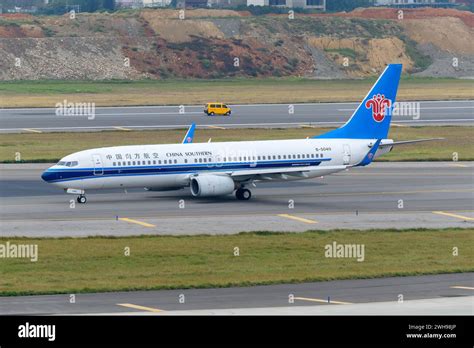
Several Chinese carriers, including China Southern Airlines and Hainan Airlines, have already integrated the MAX back into limited commercial service over domestic routes. As deliveries resume, expectations are rising that the aircraft will be deployed on mid-range international routes, especially those connecting major Chinese cities with Southeast Asia, Japan, and even select European destinations.
The return of the MAX is especially significant as Chinese airlines face increasing post-pandemic recovery pressures. With domestic passenger traffic nearing pre-COVID levels and international demand climbing, fleet modernization has become urgent. The 737 MAX’s fuel efficiency, advanced avionics, and lower operating costs make it an ideal candidate for replacing aging 737 NG (Next Generation) and A320ceo fleets.
BA Stock Reacts to Geopolitical and Industrial Tailwinds
Investors have responded positively to the resumed deliveries. BA stock has seen upward momentum since the announcement, and analysts view the development as a medium-term bullish catalyst, particularly as Boeing diversifies exposure across international buyers.
However, volatility remains a defining feature. Boeing is navigating supply chain constraints, including component delays and workforce shortages among key suppliers like Spirit AeroSystems. Nevertheless, by opening the Chinese channel, Boeing can realign deliveries and smooth cash flows in the second half of 2025.
Further bolstering sentiment are renewed negotiations between Boeing and other major Asian buyers, including India’s Akasa Air and Vietnam Airlines, both of which have expressed interest in the 737 MAX to meet growing demand and regional competition.
Regulatory Clarity Fuels Confidence Across Asia-Pacific
The re-entry of the MAX into China’s skies also encourages other Asian aviation regulators to expedite their own recertification or re-integration processes. Countries like Thailand, Malaysia, and Indonesia, which had followed China’s lead in delaying or conditioning the return of the aircraft, may now feel more confident in aligning with Western safety frameworks.
Furthermore, the CAAC’s acceptance of Boeing’s comprehensive safety upgrades, including flight control software revisions and pilot training protocols, adds legitimacy to the FAA and EASA recertification findings. This harmonization is vital as Boeing seeks to standardize its certification path across regions, reducing bottlenecks in future aircraft programs.
Strategic Implications for Boeing vs. Airbus Rivalry
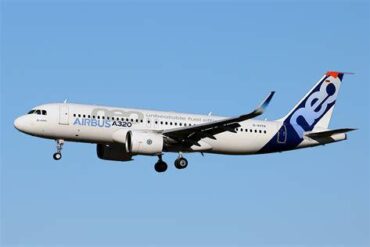
Airbus has capitalized on Boeing’s turmoil by expanding its own footprint in China, including the construction of a second assembly line for the A320neo family in Tianjin. The European manufacturer has been aggressively securing deals with China Eastern Airlines and Sichuan Airlines, tilting the balance of power.
Boeing’s renewed deliveries help rebalance this competitive dynamic. The 737 MAX 8 directly competes with the A320neo, offering comparable performance metrics but with better commonality for operators already invested in Boeing’s ecosystem. If Boeing can maintain delivery reliability and service support, it can gradually reclaim market share lost during the MAX crisis.
Moreover, the Chinese market remains sensitive to non-technical variables—including bilateral trade dialogues, technology transfer policies, and even the broader U.S.-China rivalry. Boeing’s regained access suggests a cautious but meaningful confidence-building step between the two governments, possibly paving the way for broader aviation and aerospace cooperation.
Conclusion: Boeing’s Revival Enters a New Chapter
The resumption of 737 MAX deliveries to China is more than a transactional event; it is a symbolic and strategic turning point for Boeing. It restores a crucial revenue stream, renews the company’s access to one of the fastest-growing aviation markets, and offers tangible proof that Boeing has emerged from a period of historic adversity.
For stakeholders, this moment combines industrial optimism with geopolitical nuance. Boeing still faces production bottlenecks and reputational rebuilding, but with China now back in the delivery mix, the road ahead appears far more navigable.
If Boeing can sustain this momentum, supported by regulatory harmonization and geopolitical stability, the MAX program could regain its pre-crisis momentum and once again serve as the financial backbone of Boeing’s commercial airplane division. In a market where perception is often as critical as performance, this delivery resumption may mark the first truly positive inflection point in years.