KC-46A Deliveries Resume After Structural Pause
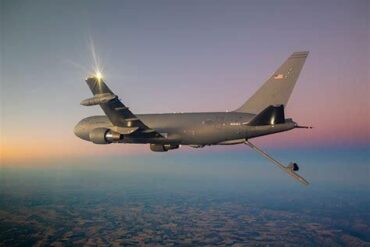
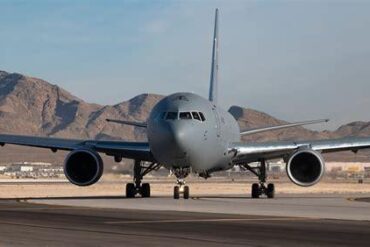
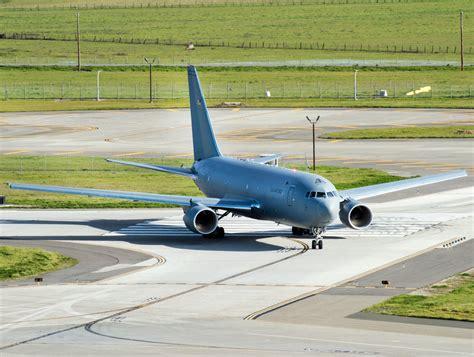
Boeing has officially restarted deliveries of the KC-46A Pegasus tanker aircraft to the United States Air Force (USAF) following a nearly three-month suspension prompted by the discovery of structural cracks in flight control surfaces. The company marked the resumption with a double delivery to Travis Air Force Base on May 17, 2025, bringing the base’s total KC-46A inventory to eleven aircraft and raising the overall U.S. fleet count to 91. The hiatus, triggered earlier in the year, had stemmed from the identification of cracks in a subset of components. Boeing clarified that the problem was isolated and swiftly mitigated, posing no risk to flight safety.
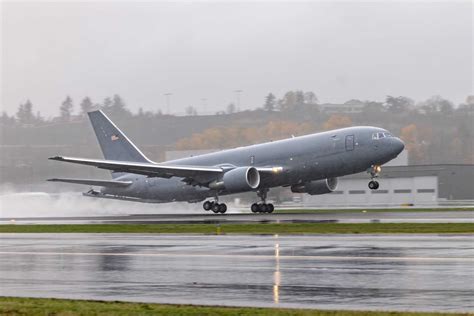
The halt had not only disrupted logistical operations but also heightened scrutiny around one of the USAF’s most consequential tanker programs. These newly delivered aircraft form part of the 179 KC-46A units ordered under the KC-X program, a large-scale initiative to modernize the USAF’s aging aerial refueling fleet. While Boeing confirmed that the defect was limited to a specific set of parts and not systemic, the grounding echoed earlier reliability concerns in the Pegasus development timeline.
Historical Turbulence and Contractual Legacy
The KC-46A program’s roots stretch back to the early 2000s, when the USAF sought to replace its KC-135 Stratotanker fleet, some of which had been in service since the Eisenhower administration. Boeing initially secured a lease contract in 2002 to provide 100 refueling aircraft derived from its 767 platform, but the deal collapsed amid a procurement scandal in 2004. After a turbulent rebidding process that briefly favored Northrop Grumman and EADS with the Airbus A330 MRTT-based KC-45, a successful protest by Boeing overturned the award. The Government Accountability Office ruled in Boeing’s favor, leading to a revised competition in which Boeing secured the KC-X contract in 2011 through a fixed-price deal.
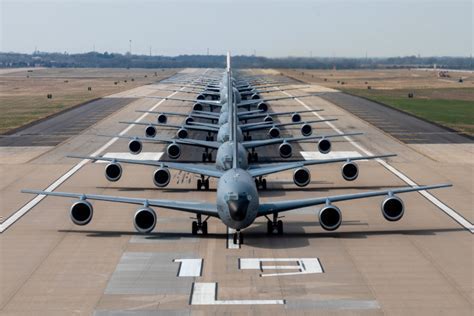
This award launched a new chapter in U.S. air mobility planning, anchoring the tanker recapitalization strategy which would eventually extend to the KC-Y and KC-Z phases. The KC-46A was envisioned as the bridge tanker, optimized for integration with U.S. infrastructure and designed with lifecycle costs in mind. While critics argued the Airbus A330 MRTT offered greater range and fuel capacity, Boeing’s design aligned better with U.S. basing infrastructure, maintenance networks, and domestic political considerations.
Technical Platform: Modular Strength and Multirole Capacity
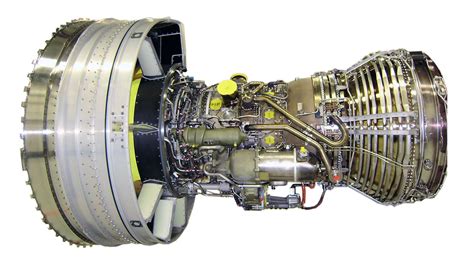
Built on a Boeing 767-2C airframe, the KC-46A merges components from several 767 variants. It uses the wing and landing gear of the 767-300F, the digital cockpit and flap system from the 767-400ER, and a cargo floor configuration modeled on commercial freighters. The aircraft is powered by two Pratt & Whitney PW4062 turbofan engines, each delivering 62,000 pounds of thrust, and is designed for gross takeoff weights of up to 188,240 kilograms. The baseline 767-2C is certified separately from the fully militarized KC-46A, which includes extensive refueling, defensive, and mission-specific enhancements.
Key operational elements include:
- Fly-by-wire refueling boom system
- Hose and drogue wing pods and centerline system
- Remote Vision System (RVS) for daytime and nighttime operations
- Cockpit armor and EMP shielding
- Biological and chemical protection
The KC-46A can be operated by a crew of three—two pilots and a boom operator—but extended missions may involve up to 10 personnel, including medical or maintenance teams.
Global Mission Profile and Strategic Reach
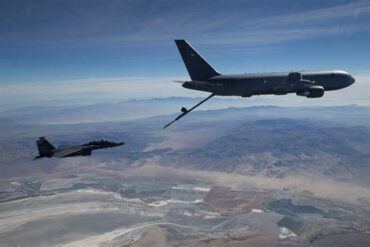
The KC-46A is now active at six primary USAF bases, executing a spectrum of missions from refueling and cargo transport to aeromedical evacuation. In 2024, the Pegasus demonstrated unprecedented endurance by completing a 45-hour nonstop circumnavigation of the globe as part of Project Magellan, relying solely on in-flight refueling. Boeing has reported that the fleet is offloading over five million pounds of fuel each month, supporting both U.S. and coalition aircraft.
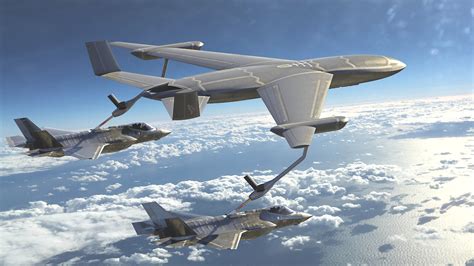
While the KC-46A was cleared for nearly all refueling tasks, it still faces restrictions when refueling platforms like the A-10 Thunderbolt II and E-7 Wedgetail, due to ongoing limitations with the Remote Vision System. The RVS—originally a highlight of the aircraft’s automation—has faced repeated criticism for depth perception errors and contrast issues, especially under glare conditions. A redesigned RVS 2.0 system, already delayed multiple times, is not expected to be fully operational until at least mid-2027.
Flexibility in Cargo and Aeromedical Operations
The aircraft’s cargo and medical configuration is based on the standard 463L pallet system, allowing it to carry up to 18 pallets or 65,000 pounds of cargo. Conversion between configurations takes under two hours. In its medical role, the aircraft can transport 58 patients, including 24 on litters and 34 ambulatory, supported by a five-person aeromedical crew. For passenger movement, it accommodates up to 114 personnel in contingency operations, and standard missions carry 58 passengers.
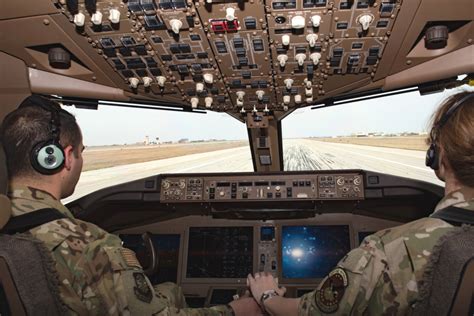
The Pegasus is also equipped with emergency power supplies, oxygen systems, and an internal retractable ladder, facilitating rapid response deployment. Its cargo handling roller system is compatible with existing USAF logistics infrastructure, ensuring seamless integration with Air Mobility Command’s global operational footprint.
International Interest and Mixed Procurement Outcomes
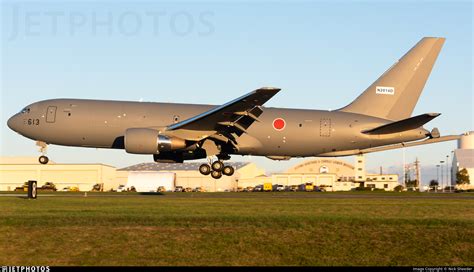
While the KC-46A remains a largely U.S.-centric platform, it has garnered interest and contracts from key allies. Japan has already received four aircraft and is expected to receive two more by 2025. The U.S. State Department approved a potential sale of nine additional units to Tokyo, pending final agreement. Israel has contracted four units, with the first delivery anticipated in 2025, and holds options for four more. Italy, once a serious customer with a six-unit agreement valued at €1.12 billion, canceled its order in 2024 due to shifting strategic priorities. Nations like India and Indonesia have evaluated the KC-46A, though no firm commitments have been made.
The program’s performance in the export market has been overshadowed by Boeing’s repeated delays and cost overruns, undermining global confidence despite the aircraft’s logistical advantages and interoperability with NATO standards.
Persistent Challenges and Budgetary Implications
Despite achieving operational capability, the KC-46A program continues to bear the scars of developmental turbulence. Boeing has absorbed over $7 billion in cost overruns, driven by issues including fuel system malfunctions, boom stiffness, wiring discrepancies, and RVS flaws. The USAF’s fixed-price contract structure capped its financial exposure at $4.9 billion, meaning Boeing has borne the brunt of program cost escalations.
The unit cost per aircraft now hovers around $287 million, according to estimates by the Government Accountability Office, making the KC-46A one of the most expensive aircraft in the USAF’s inventory. Boeing, however, maintains that operational and lifecycle savings compared to the aging KC-135E fleet justify the investment. The recent three-month delivery pause due to control surface cracks only reaffirms the ongoing technical scrutiny the platform faces.
Conclusion: A Program of Strategic Necessity, Not Optional Luxury
The resumption of KC-46A deliveries in May 2025 marks more than just the continuation of a defense contract—it is a critical assurance to the USAF’s global reach capabilities. Despite its developmental woes and ongoing refinement needs, the Pegasus plays an irreplaceable role in sustaining forward-deployed airpower. With 91 aircraft now in active inventory and the roadmap to 179 still in sight, Boeing’s tanker remains both a symbol of industrial resilience and a stark reminder of the cost of innovation in defense procurement. Whether future deliveries remain on schedule or encounter new hurdles, the KC-46A Pegasus will remain at the core of American air logistics strategy well into the 2040s.