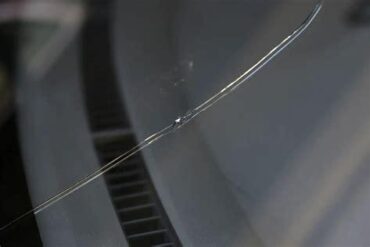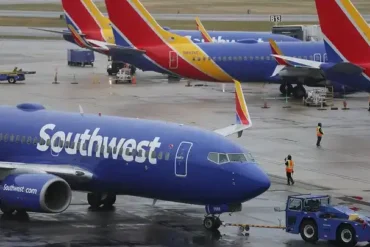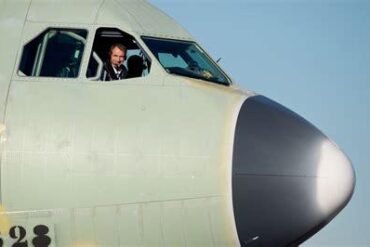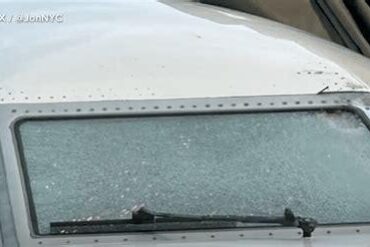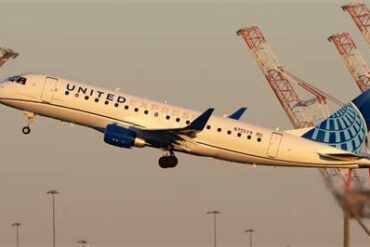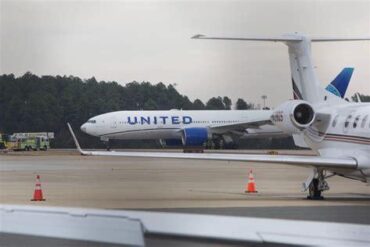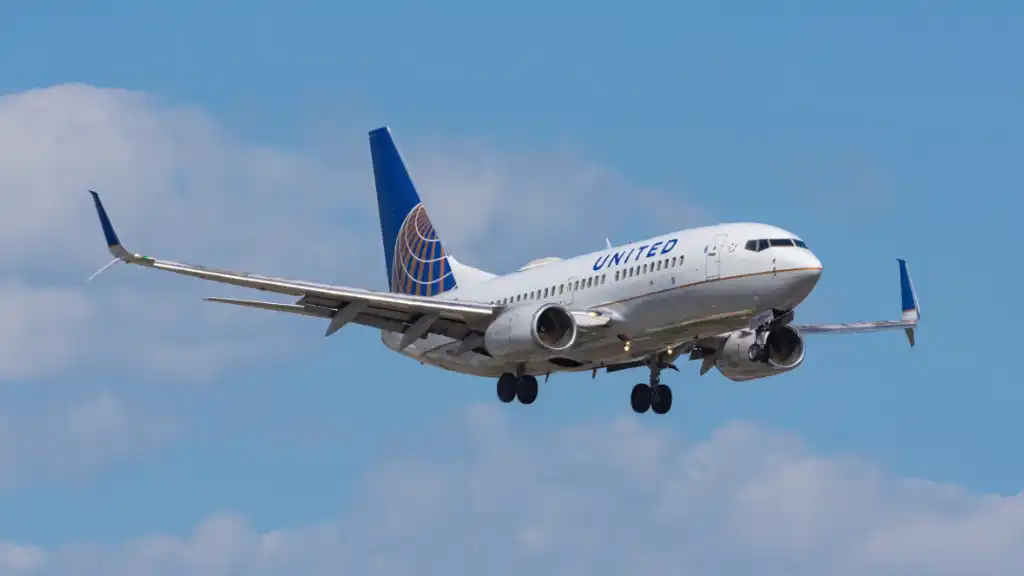
A United Airlines Boeing 737-700 operating flight UA1126 was forced to return to Memphis International Airport on the morning of December 1, 2025, after the aircraft’s first officer-side windshield cracked during climb. The incident unfolded shortly after departure, turning an otherwise routine Memphis–Chicago hop into a tense but professionally handled diversion that showcased the importance of cockpit safety protocols and structural redundancies built into modern airliners.
United Airlines dispatched flight UA1126 at 7:34 a.m., only slightly behind schedule, with the 26-year-old Boeing 737-700 registered N14735 assigned to operate the morning service to Chicago O’Hare International Airport. As the aircraft climbed through approximately 13,000 feet, the cockpit crew detected a crack forming in the first officer’s windshield. The cause of the damage remains undetermined—whether it stemmed from structural fatigue, a pressure-related stress point, or a possible impact with a bird or airborne object.
The crew immediately declared an emergency and halted the climb. Following standard safety protocols, they began a controlled descent while executing a turn back toward Memphis. The aircraft landed safely on Runway 36R roughly 30 minutes after takeoff, taxiing to the gate under its own power. No injuries were reported. Passengers later disembarked calmly while United initiated recovery plans to keep them moving toward their destinations.
Replacement Aircraft Dispatched After Diversion
United sourced another jet—this time the larger Boeing 737-900ER, tail number N81449—to resume UA1126’s journey to Chicago. The replacement aircraft had just arrived from Washington-Dulles, but the diversion created a significant operational ripple: UA1126 did not depart Memphis again until 2:04 p.m., landing at O’Hare at 3:25 p.m., resulting in a delay of approximately six hours.
Passengers connecting through Chicago likely faced rebookings, though United’s expansive hub operations at O’Hare generally allow for quicker rerouting. The original aircraft, N14735, meanwhile remained grounded in Memphis for inspection and repair. A cracked windshield can introduce potential pressurization vulnerabilities, meaning the aircraft cannot reenter service until the component is fully replaced and certified. If United chooses to ferry the jet to a maintenance base, it would be forced to fly at a reduced altitude to avoid pressure-related stresses.
Why A Cracked Windshield Necessitates An Immediate Return
Airliner windscreens are engineered with multiple reinforced layers, designed to withstand extreme temperatures, pressure cycles, and occasional impact events. A crack—especially one that manifests during climb—signals a compromised structural barrier. Beyond obstructing pilot visibility, such damage raises the risk of cabin depressurization should the crack spread under pressure.
Though pilots rely heavily on instruments rather than direct line-of-sight visuals during most phases of flight, windshield integrity is critical. Even a minor crack can evolve into a cascading failure, and in previous incidents—such as an October 2025 event involving a United 737 impacted by a suspected weather balloon—shattered glass has caused cockpit injuries. For this reason, crews are trained to treat windshield anomalies with uncompromising caution.
Aircraft Repairs And Next Steps For United Airlines
The grounded Boeing 737-700 in Memphis will undergo a meticulous inspection to determine the cause and extent of the cracking. Depending on the availability of parts and maintenance capacity at Memphis International Airport, United may either ship a replacement windshield to the location or ferry the aircraft to a dedicated maintenance facility such as Chicago O’Hare.
Until repairs are completed, N14735 will remain out of operation—a reminder of how even a single component failure can ripple through an airline’s tightly choreographed schedules. Still, the safe handling of UA1126 demonstrates the effectiveness of crew training and the resilience of modern commercial aircraft engineering. As the investigation continues, the event adds another chapter to the ongoing focus on operational safety across the global aviation industry.