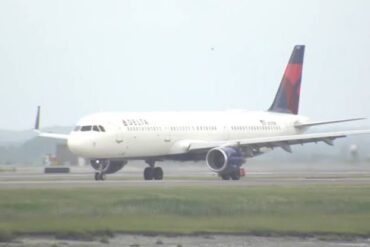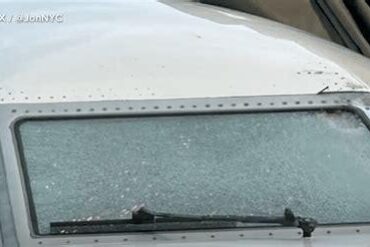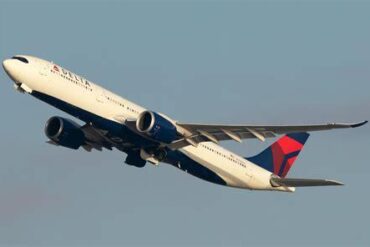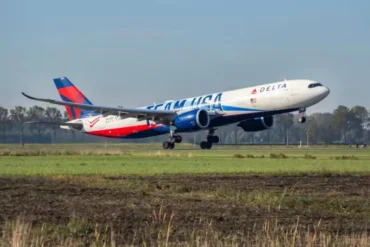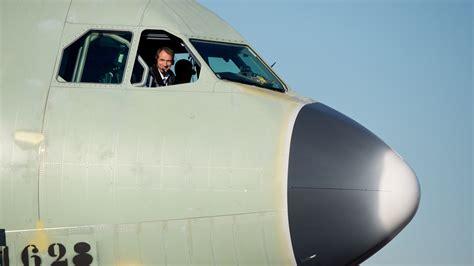
Delta Air Lines flight DL17, operating a scheduled transatlantic service from London Heathrow Airport (LHR) to Detroit Metropolitan Wayne County Airport (DTW), was compelled to return to its point of departure just over an hour into its journey due to a cracked cockpit windshield. The flight, aboard an Airbus A330-200, departed from runway 27L with 190 passengers on board, but soon after leveling off at FL260 (26,000 feet), the cockpit crew detected the crack and made the decision to safely return.
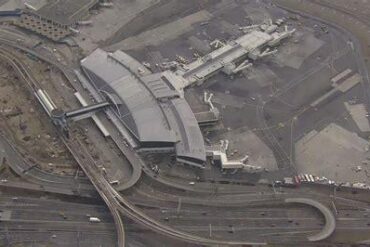
The aircraft, bearing the tail number N854NW, landed without further incident on runway 27R at Heathrow. Data from FlightAware confirmed the aircraft’s flight path and the timely return, while aviation forums and observers praised the professionalism and swift decision-making of the flight crew.
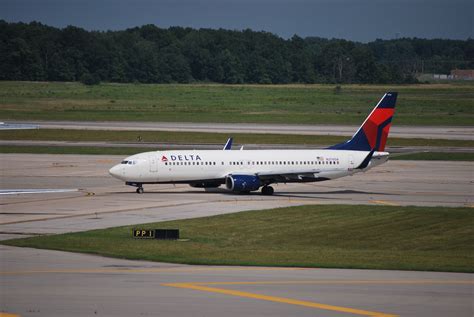
Flight DL17: A Routine Route Disrupted by an Uncommon Yet Not Unheard-Of Failure
Flight DL17 is part of Delta’s daily international offering that links the British capital with Detroit, a city central to the U.S. automotive industry. This long-haul route typically sees an Airbus A330-200 deployed due to its wide-body design, fuel efficiency, and passenger comfort. While the aircraft model varies slightly from day to day, June’s incident involved the MSN609 aircraft, which was relatively well-maintained according to maintenance logs.
Despite the sudden return, windshield cracks on commercial jets are not as rare as many assume. Experts indicate that such incidents occur once every one to two weeks globally across the nearly 90,000 daily commercial flights. These cracks, although appearing dramatic, are usually contained within the layered construction of the windshield and seldom result in explosive decompression or catastrophic failure.
How Commercial Jet Windshields Are Engineered to Withstand Extreme Stress
The cockpit windshield of modern airliners like the Airbus A330-200 is a multi-layered engineering marvel, combining safety, visibility, heating control, and impact resistance. It typically comprises:
- An outer glass layer designed for impact resistance and visibility.
- A central plastic layer to regulate thermal expansion and enhance heating functionality.
- An inner glass pane that can independently maintain cabin pressure.
This composition enables pilots to continue flying even with a compromised outer layer. Each layer plays a distinct role in handling thermal stress, bird strikes, pressure differentials, and lightning.
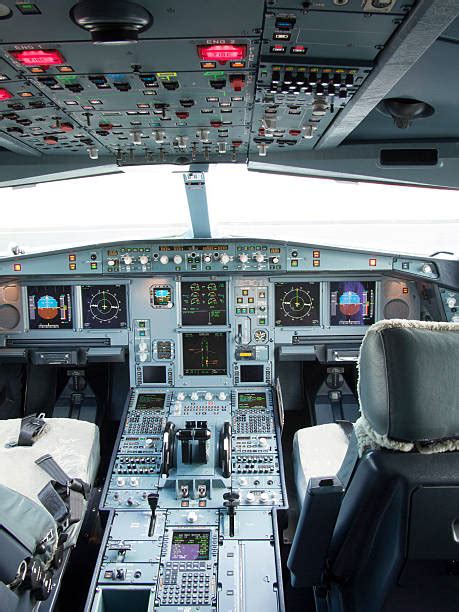
Retired airline captain John Cox, now an aviation safety consultant, explained in a USA Today interview that heating element malfunctions often contribute to windshield cracks. The spiderweb patterns often start during climb, when the aircraft is transitioning through various temperature gradients at high speed. The recommended response is to descend to reduce pressure, monitor the integrity of the remaining layers, and decide whether to proceed or divert based on the severity.
Flight Crew Response: Textbook Execution of Emergency Protocols
The crew of Delta Flight 17 demonstrated remarkable professionalism and training by quickly evaluating the situation. Upon observing the crack, the aircraft stabilized at FL260 instead of ascending further to cruising altitude (typically FL330-380 for transatlantic flights). This decision minimized stress on the windshield while allowing time to consult with Delta’s operations and maintenance teams.
With passenger safety paramount, the crew declared their intention to Return to Base (RTB) and began the controlled descent and approach into Heathrow. The process was executed without incident, and passengers were rebooked on another aircraft bound for Detroit later in the day.
Understanding the Structural Fortitude of Airbus Cockpit Glass
The Airbus A330’s windshield must comply with Federal Aviation Administration (FAA) regulations, requiring it to withstand impact equivalent to a four-pound bird at 340 knots. The material used includes glass-faced stretched acrylic, bonded by a urethane layer for flexibility and strength.
To keep the window free from fog and ice, a layer of indium tin oxide is applied as a heating film. This gives the windshield its distinctive rainbow sheen. Each pane is typically between one to three inches thick, significantly thicker than standard cabin windows.
In practical terms, even with a cracked outer layer, the air pressure integrity remains uncompromised, thanks to the robustness of the inner panes. These features ensure that even rare structural failures like windshield cracks do not threaten the aircraft’s safety during flight.
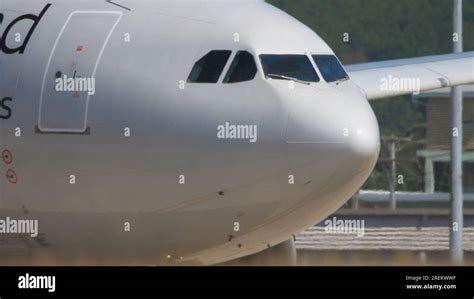
The Airbus A330-200: A Long-Range Workhorse With Proven Safety Metrics
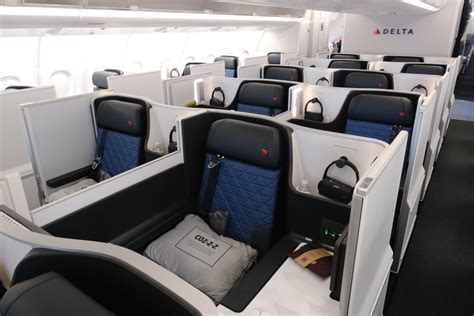
Delta’s use of the Airbus A330-200 on international routes underscores the trust airlines place in the aircraft’s long-range capability and reliability. First introduced in the late 1990s, this variant of the A330 family boasts:
- A range of up to 13,450 km (8,360 miles)
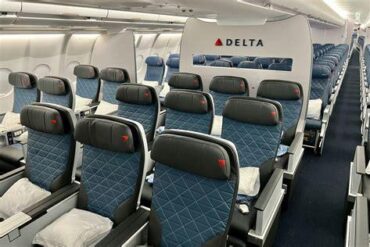
- Seating capacity of around 210 to 250 passengers in typical configurations
- A maximum takeoff weight (MTOW) of 242 tonnes in later models
The A330-200 has been praised for its fuel efficiency, spacious cabin design, and smooth flight characteristics. While newer models like the A330neo have entered the market, the A330-200 remains a core fleet component for many legacy carriers like Delta.
From Heathrow to Detroit: Operations Continue Without Lasting Disruption
Despite the return and necessary aircraft swap, Delta ensured minimal disruption to passenger itineraries. Heathrow Airport’s efficient operations and Delta’s coordination allowed for rapid re-accommodation. Passengers were offered refreshments and compensation in line with both U.S. Department of Transportation (DOT) and EU261 regulations.
Delta also conducted an immediate maintenance review on the affected aircraft. While preliminary findings suggested a thermal stress-related crack, a full investigation was launched to examine the heating element circuitry and past maintenance logs.
Flight Safety, Perception, and Public Trust
Incidents like this highlight the built-in redundancies of modern aviation technology and the depth of training that airline crews undergo. Windshield cracks, while concerning to passengers unfamiliar with the technicalities, are far from catastrophic due to layered construction and safety design principles.
Public confidence in air travel continues to grow, with data from the International Air Transport Association (IATA) indicating that 2024 was among the safest years in aviation history. Aircraft are built to tolerate more than a single failure, and strict regulatory oversight ensures that components like cockpit windshields meet stringent safety margins.
Conclusion: An Incident Well Handled, A Testament to Aviation Engineering
The Delta Air Lines A330-200’s precautionary return to London underscores just how resilient and safe modern commercial aviation truly is. With engineering designed for worst-case scenarios, trained professionals in the cockpit, and robust airline procedures in place, such mid-air diversions demonstrate not weakness, but strength.
In the end, no lives were endangered, passengers continued their journeys safely, and the aviation industry gained yet another data point proving its unparalleled commitment to safety.