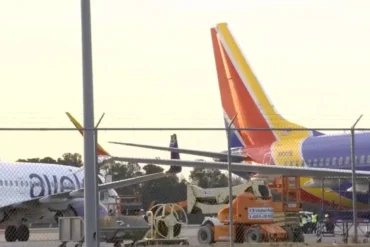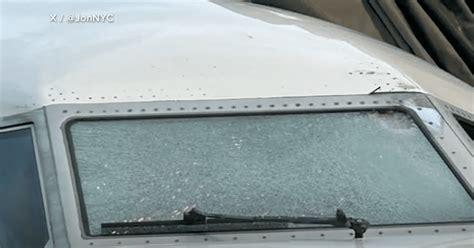
Passengers aboard a Southwest Airlines flight from Albuquerque to Baltimore experienced a tense midair emergency after the cockpit windshield of a Boeing 737-700 suddenly cracked and shattered at cruising altitude despite no visible collision or bird strike. The incident forced the aircraft to divert rapidly to Tulsa International Airport, where it landed safely without injuries.
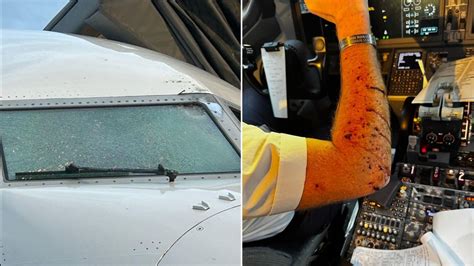
The aircraft involved, registered as N265WN, had already been airborne for more than an hour when the problem began unfolding over the Oklahoma-Kansas border. According to passenger accounts and flight tracking data, the windshield initially developed cracks before suffering what crew members reportedly described as an “explosion” inside the cockpit area.
Southwest Flight 2665 departed Albuquerque International Sunport at approximately 2:04 PM local time for what should have been a routine three-hour journey to Baltimore/Washington International Airport. Instead, the flight turned into another reminder of how quickly unexpected technical failures can emerge even aboard highly regulated commercial aircraft.
The Boeing 737-700 had climbed normally to 37,000 feet when the emergency began. Pilots quickly initiated a descent after recognizing the severity of the windshield failure. Flightradar24 data showed the aircraft descending at more than 2,500 feet per minute before safely arriving in Tulsa roughly 25 minutes later.
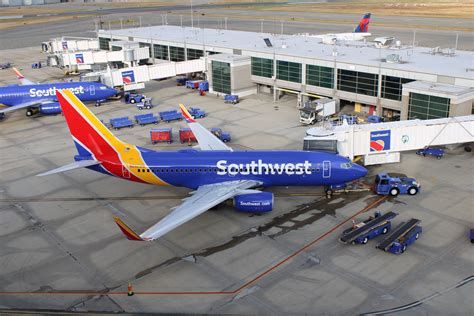
Passengers onboard described a calm but serious atmosphere as the crew informed travelers that no object had struck the aircraft. One passenger, George Gonzalez, later explained that flight attendants and pilots clarified the windshield damage appeared spontaneous.
“They mentioned nothing struck the aircraft,” Gonzalez told local media. “It was just the windshield started cracking, and then it just exploded.”
That statement immediately raised questions across the aviation industry because cockpit windshield failures are uncommon, especially without evidence of external impact. Commercial aircraft windshields are engineered to withstand extreme environmental stress, including high-speed debris strikes, hail, temperature changes, and pressure differentials encountered at cruising altitude.
Why Modern Jetliner Windshields Rarely Fail
The cockpit windshield aboard a Boeing 737 is not a single pane of glass. Instead, it is a multilayered structural system designed with redundancy and durability in mind. Multiple layers of chemically strengthened glass and acrylic materials work together to maintain cabin integrity even if one section becomes compromised.
In most cases, only an outer layer sustains damage while the remaining layers continue protecting the flight crew and maintaining pressurization. This design is precisely why Monday’s incident did not escalate into a catastrophic depressurization event.
Still, a sudden windshield fracture at 37,000 feet remains serious. Pilots must evaluate visibility, structural integrity, and the possibility of additional cracking spreading across the cockpit window. Rapid descents are often initiated as a precaution, especially when the source of the failure remains unknown.
Investigators will likely examine several possible factors, including:
- Structural fatigue from long-term pressurization cycles
- Manufacturing imperfections within the windshield assembly
- Thermal stress caused by extreme temperature changes
- Potential flaws in heating elements embedded within the glass
- Seal degradation around the cockpit window frame
Unlike passenger cabin windows, cockpit windshields incorporate electrical heating systems to prevent icing and fogging at high altitude. Those systems generate substantial heat and can contribute to stress within the layered materials if abnormalities develop over time.
Aging Aircraft Could Become Part of the Investigation
The aircraft involved in the incident is nearly two decades old. Delivered to Southwest Airlines in February 2007, the 737-700 has accumulated more than 60,000 flight hours and approximately 36,000 flight cycles according to aviation data provider ch-aviation.
While those numbers are significant, they are not unusual for a heavily utilized narrowbody aircraft operating domestic routes. Southwest Airlines has historically maintained one of the world’s largest Boeing 737 fleets, with many aircraft routinely operating multiple short-haul segments each day.
Repeated pressurization and depressurization cycles place continuous stress on aircraft structures over time. Although windshields are replaceable components subject to regular inspection, long-term fatigue remains a key consideration whenever unexplained cracking occurs.
Notably, the aircraft returned to service quickly after the incident. Tracking data confirmed the jet departed Tulsa the following night and flew to Chicago Midway after remaining grounded for more than 24 hours. That relatively short downtime suggests maintenance crews were able to replace the damaged windshield without identifying broader structural concerns requiring extensive repair.
Aviation Safety Systems Prevent Disaster
Despite the alarming appearance of a shattered cockpit windshield, aviation safety engineering is specifically built around redundancy. Modern commercial aircraft are capable of safely landing even after significant windshield damage, provided the remaining structural layers remain intact.
Pilots are extensively trained for scenarios involving cracked or failed cockpit windows. Emergency checklists cover descent procedures, pressurization management, crew oxygen usage, and diversion protocols. The successful handling of Southwest Flight 2665 demonstrated how rapidly trained crews can stabilize potentially dangerous situations.
The incident also arrives only weeks after another unusual Southwest Airlines event involving a Boeing 737-700. In that case, a heads-up display reportedly detached during takeoff and struck the captain, causing a concussion. While unrelated mechanically, both incidents have drawn renewed attention to aging aircraft components and maintenance oversight across mature airline fleets.
Federal Aviation Administration investigators are expected to review maintenance records, cockpit voice recordings, and the damaged windshield assembly itself to determine precisely why the fracture occurred. Until then, the sudden midair shattering of a Boeing 737 cockpit windshield without any apparent impact remains one of the more unusual aviation incidents reported this year.