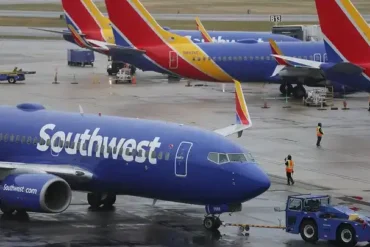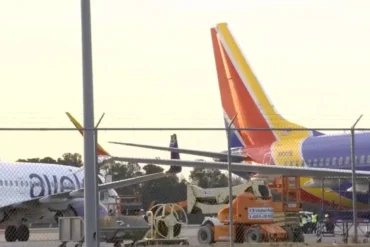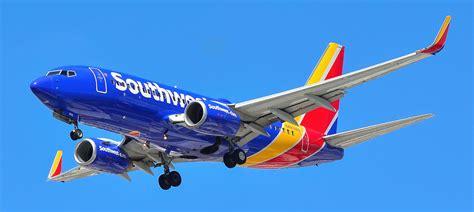
On the morning of Monday, June 16, a routine departure at Rhode Island’s T.F. Green Airport (PVD) turned into a logistical headache when Southwest Airlines Flight 1843 experienced a tire blowout during takeoff. The incident involved a Boeing 737-700, a workhorse of the airline’s fleet, bound for Baltimore/Washington International Thurgood Marshall Airport (BWI). Though the blowout never escalated into a broader safety emergency, the chain of events that followed offers a window into the complexity and resilience of commercial air operations.
A Sudden Halt on the Runway
Flight 1843 had just begun its taxi toward takeoff when it encountered the problem. Data from FlightAware shows the aircraft pushed back shortly before 11:10 AM, only to return to the gate by approximately 11:20 AM — a swift turnaround that minimized potential disruptions. The aircraft never left the ground.
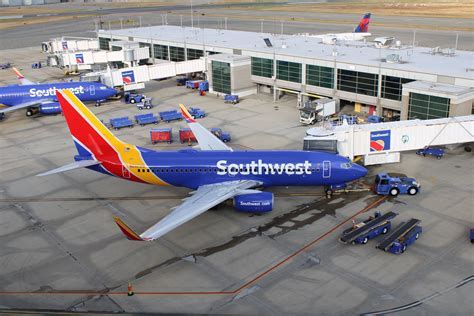
According to Southwest Airlines, the decision to cancel the flight was made shortly after the crew confirmed the issue. An airline spokesperson stated that “all passengers were rebooked on other flights,” ensuring that travel plans could continue with minimal delay. Officials from T.F. Green Airport were quick to note that the airfield remained fully operational, and no other flights were delayed or diverted as a result of the mishap.
The specific cause of the tire failure has not been confirmed. However, historical data and aircraft engineering insight point to several likely culprits: compromised tire integrity, foreign object debris (FOD) on the tarmac, or wear-and-tear exacerbated by full fuel and takeoff thrust conditions.
Veteran Aircraft, Routine Route
Planespotters.net data reveals that the Boeing 737-700 involved has been in active service with Southwest since 2008, and has flown exclusively under the airline’s livery since delivery. Now 17 years old, the jet is part of one of the most extensively operated aircraft families in commercial aviation. Despite its age, it is subject to rigorous maintenance schedules, in accordance with both FAA regulations and Southwest’s own stringent safety protocols.
This model, the 737-700, forms the backbone of Southwest’s operations. It typically seats around 143 passengers and has a reputation for reliability, which makes any mechanical issue — particularly those occurring during takeoff — an object of scrutiny.
Takeoff Tire Failures: A Hidden Vulnerability
Contrary to popular belief, takeoff is actually a more vulnerable phase for tire-related failures than landing. As aircraft begin their roll, several factors create immense strain on the landing gear:
- Full fuel weight increases downward force.
- Engine thrust reaches maximum output.
- High friction builds rapidly as speed increases.
All of this means that any weakness in the tire — whether caused by underinflation, overuse, or manufacturing inconsistencies — can lead to catastrophic failure.
Unlike landing incidents where tire blowouts can cause destabilization or runway overruns, a blowout during takeoff often affords a safer response window. In the case of Flight 1843, the tire failed before rotation speed (Vr) — the critical threshold at which takeoff becomes mandatory — allowing pilots to abort safely.
Not an Isolated Event: Recent Tire-Related Incidents
Though rare, similar incidents have occurred in recent months, highlighting the role of precautionary design and emergency preparedness:
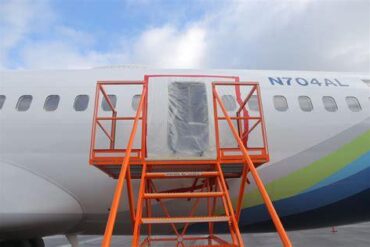
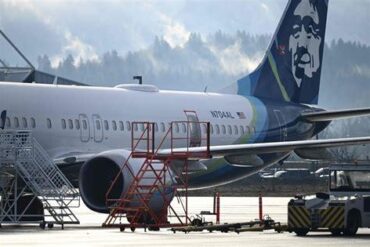
- On April 3, 2025, an Alaska Airlines Boeing 737 MAX 9 experienced a tire blowout during takeoff from Seattle, which led to engine damage but did not prevent the flight from safely reaching its destination.
- In January 2025, a Boeing 737 MAX 8 landing in Kingstown, Saint Vincent, suffered dual tire failure, leading to a runway evacuation and temporary airport closure.
- In Italy, a Ryanair 737 MAX 8 lost four tires on landing at Milan Bergamo Airport (BGY), causing massive runway damage and the issuance of an emergency NOTAM.
Each of these cases, like the incident at T.F. Green, reinforces the value of pilot training, aircraft redundancy, and airport emergency protocols.
Operational Response and Passenger Management
Southwest’s ability to swiftly rebook passengers underscores its hub-and-spoke logistics strength. With operations at Baltimore/Washington, Chicago Midway, and Denver, the airline has redundancy built into its flight schedules that allow rerouting without extensive downtime.
Passengers aboard Flight 1843 reportedly remained calm, aided by prompt communication from the crew and ground staff. Customer service agents ensured that all affected travelers were accommodated with new itineraries and, in some cases, offered meal or hotel vouchers depending on delay length.
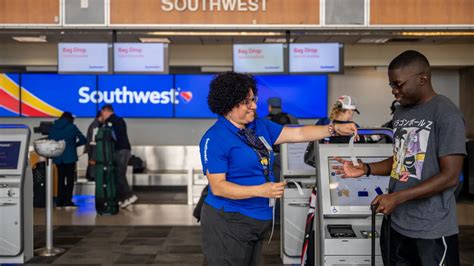
Southwest’s low-cost carrier model also facilitates fleet interchangeability. With a uniform 737 fleet, the airline can quickly substitute aircraft without the complications of crew recertification or configuration mismatches.
Engineering Behind Aircraft Tire Blowouts
Jet aircraft tires are designed for extreme loads and conditions. Composed of synthetic rubber, Kevlar-reinforced layers, and steel cords, each tire is inflated to approximately 200 psi — nearly six times the pressure of a standard car tire. During takeoff, temperatures inside the tire can reach up to 150°C (302°F).
However, the resilience of these tires is not limitless. The most common causes of blowouts include:
- Underinflation: Causes uneven pressure distribution and sidewall collapse.
- FOD: Sharp objects or debris on the runway can puncture or weaken the tire.
- Age & Cycle Wear: Each landing and takeoff adds microscopic stress fractures that eventually accumulate.
- Heat Expansion: On hot days or after multiple back-to-back legs, heat expansion can push the tire past its design threshold.
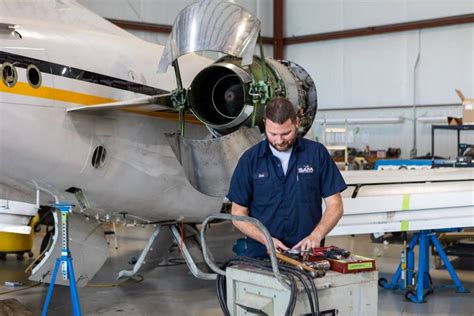
Aircraft undergo daily tire pressure checks, and FAA rules mandate regular inspections. Still, the high volume of flights and variability of airport conditions make occasional failures an unavoidable risk.
Why Flight Cancellations Are Sometimes the Best Option
Airlines frequently face a tough decision: delay a flight while replacing a tire or cancel it altogether. In Southwest’s case, cancellation was likely the safest and most efficient option. Replacing a tire involves not only the logistics of bringing a new tire and maintenance crew to the aircraft, but also re-verifying flight safety, inspecting the wheel assembly, and updating the aircraft’s maintenance log — all of which take time.
Cancelling allows ground staff to focus on maintenance without time pressure, while rerouted passengers can continue their journey with minimal additional delay.
Public Confidence and Aviation Safety Culture
Despite headlines that can induce anxiety, incidents like these reflect the remarkable reliability and safety-first mentality of modern aviation. Pilots undergo continuous simulator training, airline maintenance departments operate under FAA-mandated oversight, and aircraft are designed with multiple layers of fail-safes.
Statistically, the probability of dying in a commercial jet accident remains about 1 in 11 million, according to the National Safety Council. Even rare occurrences — such as tire blowouts or aborted takeoffs — are typically handled so smoothly that passengers may be unaware of the potential severity.
Final Thoughts: A Minor Incident, A Major Reminder
Southwest Airlines Flight 1843’s aborted takeoff and subsequent cancellation might appear, on the surface, to be an ordinary operational hiccup. But it serves as a vivid reminder of the daily challenges in aviation, where even the smallest malfunction is met with comprehensive safeguards, procedural discipline, and a prioritization of human life above all else.
As aircraft age and fleets continue to operate at high frequencies, preventive maintenance and vigilant oversight remain the pillars of aviation safety. For passengers, incidents like this are inconvenient, yes — but they are also a testament to a system that works exactly as it should when the unexpected occurs.