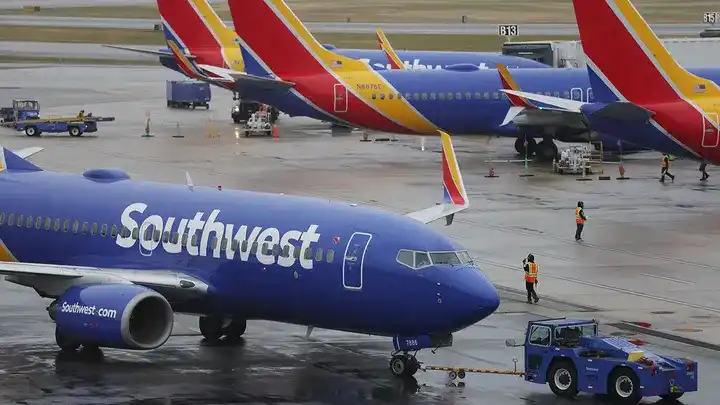
Southwest Airlines temporarily removed one of its Boeing 737-700 aircraft from service after a ground support vehicle became wedged beneath the jet during boarding operations at Memphis International Airport, prompting an emergency response and forcing the carrier to arrange a replacement aircraft for affected travelers.
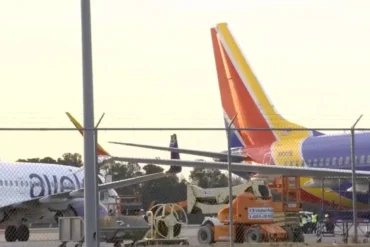
The incident occurred on June 21 and involved Southwest Flight 4013, which had been scheduled to operate from Memphis International Airport to Las Vegas Harry Reid International Airport. Videos circulating online indicated that a piece of ground equipment struck the aircraft while passengers were boarding, leaving the vehicle trapped underneath the rear section of the airplane.
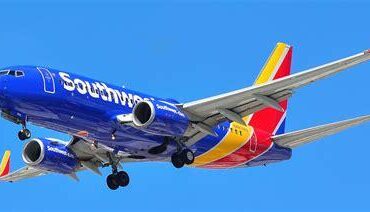
The aircraft involved was Boeing 737-700 registration N436WN, a 23-year-old narrowbody jet that had just arrived in Memphis following a short flight from Houston Hobby Airport. The aircraft was preparing for its next leg to Las Vegas when the collision occurred. Emergency personnel, including airport firefighters, police officers, and medical teams, responded to the scene. Fortunately, no injuries were reported among passengers or crew members.
After the collision, Southwest immediately withdrew the aircraft from service and initiated its internal Safety Management System procedures to investigate the event. The airline later confirmed that another aircraft was assigned to continue the journey, allowing customers to proceed to Las Vegas after a delay of nearly three hours.
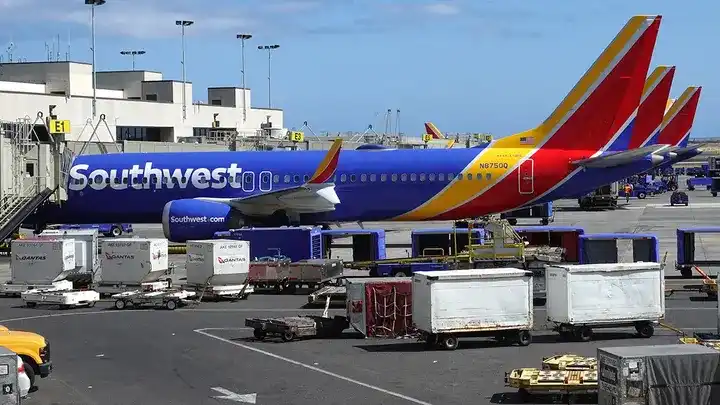
Ground Equipment Became Stuck Under The Rear Of The Aircraft
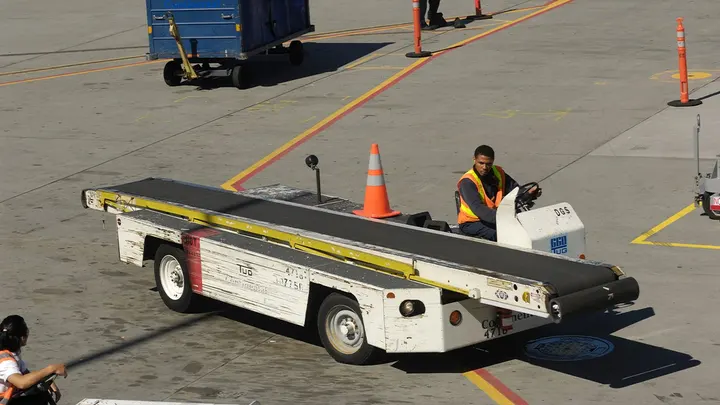
Initial footage suggested that a belt loader or similar ramp vehicle made contact with the airplane and became lodged beneath the aft section of the fuselage. Although the damage appeared limited, the aircraft required extensive inspections before returning to service.
Southwest stated that Flight 4013 had been contacted by a ground equipment vehicle during boarding operations. As a precaution, the airplane was immediately removed from service and passengers were reaccommodated onto another aircraft.
The replacement flight departed Memphis around 3:25 p.m., roughly three hours later than the original scheduled departure time of 12:25 p.m. Passengers eventually arrived in Las Vegas at approximately 5:36 p.m., several hours behind schedule but without further disruption.
N436WN Is Part Of Southwest’s Historic 737-700 Fleet
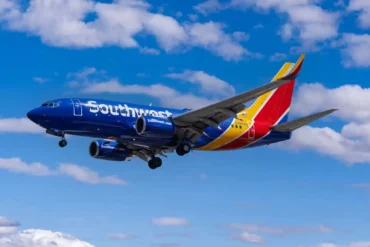
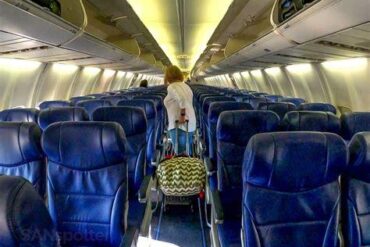
Delivered in June 2003, N436WN represents one of the earliest members of Southwest Airlines’ extensive Boeing 737-700 fleet. Configured with 143 all-economy seats, the aircraft belongs to a type that helped define Southwest’s low-cost model for more than two decades.
Southwest remains the world’s largest Boeing 737 operator and served as the launch customer for the 737-700. Nearly 300 examples of the type continue flying across the carrier’s network, although the airline plans to phase them out gradually by 2031 in favor of newer Boeing 737 MAX aircraft.
The airline currently operates more than 800 Boeing 737s, including approximately 200 Boeing 737-800s and more than 300 Boeing 737 MAX 8 aircraft. The fleet commonality has long been one of Southwest’s defining operational advantages.
Aircraft Ferried To Florida For Further Inspection
Despite sustaining damage, the aircraft was eventually declared safe for a non-passenger repositioning flight. It was ferried to Cecil Airport near Jacksonville, Florida, where technicians will conduct more comprehensive inspections, repairs, and heavy maintenance work.
The exact timeline for the aircraft’s return remains uncertain. Engineers will assess the structural impact of the collision and determine what repairs are required before N436WN can resume commercial operations.
Memphis Represents A Key Market For Southwest Airlines
Southwest holds approximately 18% of passenger traffic at Memphis International Airport, making it the airport’s second-largest carrier behind Delta Air Lines. However, Southwest serves the largest number of destinations from Memphis, offering year-round flights to Baltimore, Chicago Midway, Dallas Love Field, Denver, Houston Hobby, Las Vegas, Nashville, Orlando, Phoenix, and seasonal service to Tampa.
The carrier is also preparing to add year-round flights to Austin beginning October 1, further strengthening its presence in the Tennessee market.
On the Memphis-Las Vegas route, Southwest competes directly with Allegiant Air and Frontier Airlines. More than 87,000 passengers traveled between the two cities during 2025, highlighting the importance of maintaining reliable operations on one of the airport’s busiest leisure routes.
Although the incident caused temporary disruption, the swift deployment of emergency personnel and the availability of a replacement aircraft allowed Southwest to avoid cancellations and safely complete the journey for its passengers.