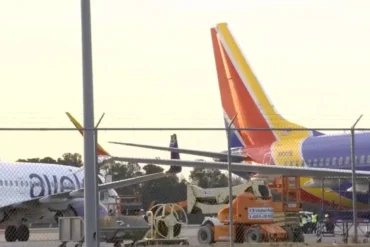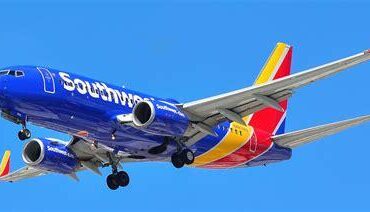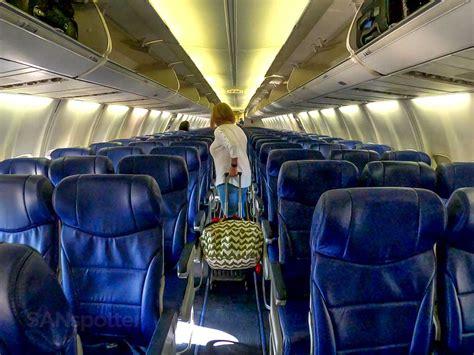
Southwest Airlines has quietly reached a meaningful milestone in its ongoing transformation, completing the seat reconfiguration of its entire Boeing 737-700 fleet ahead of schedule. The achievement, confirmed on January 20, 2026, underscores how aggressively the carrier is reshaping its product to support a new revenue strategy centered on extra-legroom seating and assigned seats, two concepts that would have been unthinkable in Southwest’s model just a few years ago. While the changes inside the 737-700 are subtle, their implications for network consistency and monetization are anything but small.
The refurbishment effort focused on roughly 300 Boeing 737-700 aircraft, some of the oldest jets still flying in Southwest’s fleet. Originally planned to begin in December 2025, the program was deliberately delayed to avoid disrupting peak holiday operations. Even with that postponement, Southwest technicians completed the work a full week earlier than the January 27 target date. That speed was possible because the project avoided structural modifications and instead relied on a precise rebalancing of cabin space to unlock new seating value.
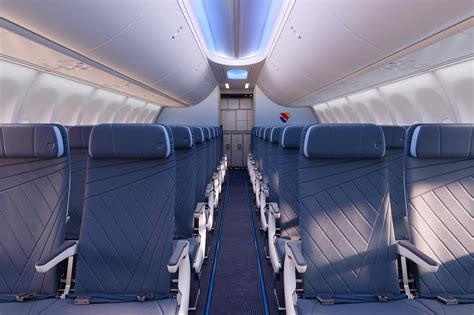
At a technical level, the changes were intentionally restrained. The 737-700s retain their familiar all-economy layout and legacy Evolve interior, with no new seat shells, lighting systems, or Boeing Sky Interior upgrades. Instead, Southwest removed one row of seats, reducing total capacity from 143 to 137 seats. That single-row sacrifice created room for six rows offering 35 inches of pitch, a noticeable improvement over standard economy legroom and a clear signal that Southwest is preparing passengers for a more segmented cabin experience.
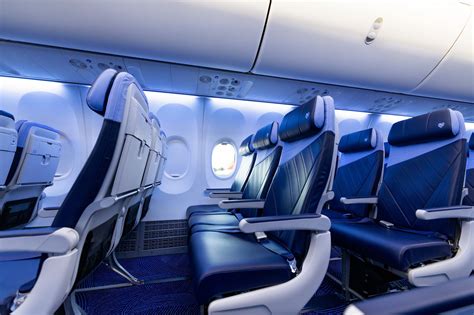
These extra-legroom seats are visually understated. There are no distinctive seat covers, no premium color palette, and no onboard signage calling attention to their presence. This minimalist approach is deliberate. Southwest is introducing paid comfort options without fully abandoning the egalitarian cabin aesthetic that defined the brand for decades. For frequent flyers, the experience will feel familiar, yet subtly altered, reflecting a company attempting evolution without total reinvention.
From a strategic standpoint, the timing of this retrofit matters as much as the configuration itself. On January 27, 2026, Southwest will officially roll out assigned seating and begin charging for extra-legroom rows. Because the airline’s operational model frequently swaps aircraft across routes, it could not risk offering premium seating on some flights but not others. Completing the 737-700 retrofits first ensured fleet-wide consistency before asking customers to pay for seat selection, eliminating a potential source of confusion and frustration.
Southwest’s newer Boeing 737 MAX 8 and 737-800 aircraft already feature extra-legroom rows, though those aircraft retain their original seat counts of 175. The 737-700s were the final holdouts, making them a bottleneck in the broader rollout of premium seating sales. By resolving that gap early, Southwest can now treat its entire Boeing 737 fleet as a unified product, simplifying pricing logic, booking flows, and customer expectations across the network.
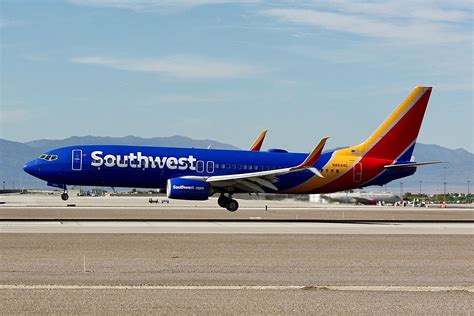
The decision to invest even modestly in aircraft scheduled for retirement by 2031 reveals how urgent these changes are for the airline. The 737-700s are approaching the end of their service lives, yet Southwest still deemed it worthwhile to reconfigure them. That calculation highlights how central ancillary revenue has become to the carrier’s financial recovery plan. Every flight, regardless of aircraft age, now needs to support the same monetization framework.
This cabin update cannot be separated from the broader changes sweeping through Southwest since Elliott Investment Management took a stake in the company in 2024. Under pressure to improve margins and modernize operations, Southwest has adopted industry-standard practices once viewed as incompatible with its identity. Interline agreements, participation in global distribution systems, overnight flights, and the end of the two free checked bags policy all point toward a more conventional airline model built for the realities of the 2020s.
Yet this shift carries risk. Southwest’s historic appeal rested on simplicity, transparency, and a sense that every passenger was treated the same. Charging for seat assignments and legroom erodes that cultural foundation, even if it aligns the airline with competitors. With the 737-700 retrofit now complete, Southwest has removed a critical operational barrier to its new strategy. What remains uncertain is whether loyal customers will accept these changes as necessary evolution, or view them as the quiet end of what once made Southwest different.