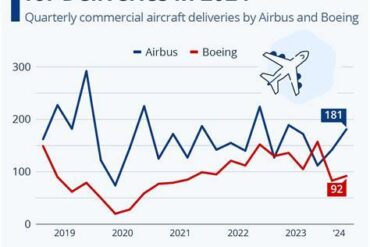
Boeing has opened 2026 with unmistakable force, outpacing Airbus in both commercial aircraft deliveries and new orders during January and resetting the competitive tone for the year ahead. The American manufacturer handed over 46 commercial jets, more than double Airbus’s 19 aircraft deliveries, securing an early cash flow advantage in an industry where delivery triggers the bulk of customer payments. After years marked by regulatory turbulence, production slowdowns, and reputational strain, Boeing’s January performance signals more than a statistical win—it reflects operational traction returning at scale.
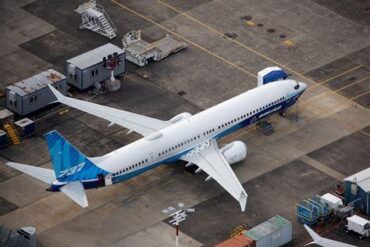
The numbers alone tell a sharp story. Of Boeing’s 46 deliveries, 38 were 737 MAX aircraft, underscoring the narrowbody jet’s role as the company’s production and revenue backbone. Five 787 Dreamliners and a small number of additional models rounded out the total. Airbus, by contrast, delivered 15 A320neo family jets, three A220s, and one A350. While Airbus continues to hold a larger cumulative backlog, January’s month-to-month performance demonstrates how rapidly momentum can shift when manufacturing stability improves.
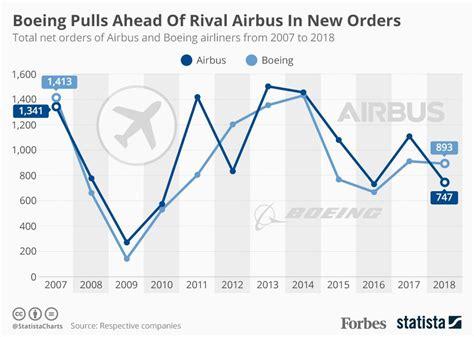
Beyond deliveries, Boeing’s order book added further weight to its early lead. The company recorded 107 new aircraft commitments, offset by four cancellations, resulting in 103 net orders. Airbus secured fewer than 50 net orders during the same period. Leasing companies played a central role in Boeing’s bookings, reinforcing the long-term confidence financiers and lessors maintain in global air travel growth. In a supply-constrained environment, those forward-looking commitments carry strategic value far beyond headline totals.
Operational Execution Defines Boeing’s 2026 Trajectory
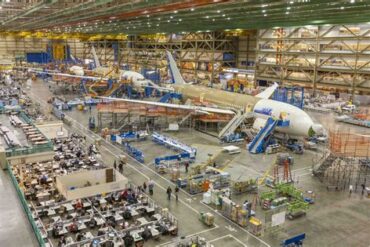
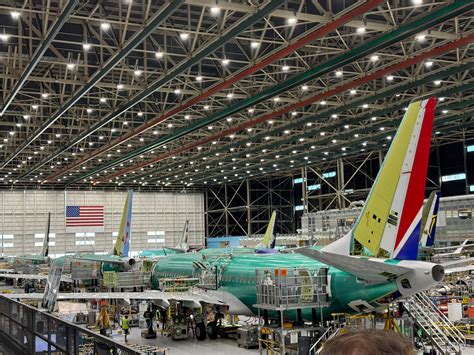
The defining theme behind Boeing’s dominant start is execution. After extended regulatory oversight of the 737 MAX program, production has returned to steadier rhythms, even as output remains carefully monitored. The MAX family now functions not merely as a sales success but as a stabilizing industrial platform, anchoring monthly delivery volumes and restoring predictable revenue flow.
Certification milestones remain central to Boeing’s outlook. While the existing MAX variants have resumed steady service globally, additional versions await final regulatory approval. Those certifications will influence production scaling later in 2026. Every cleared variant expands Boeing’s flexibility in matching airline fleet requirements, particularly as carriers seek higher-capacity narrowbody options to optimize slot-constrained airports.
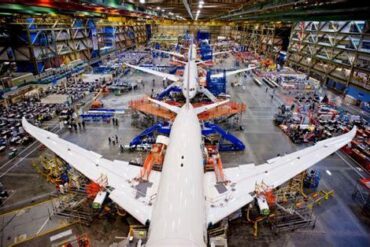
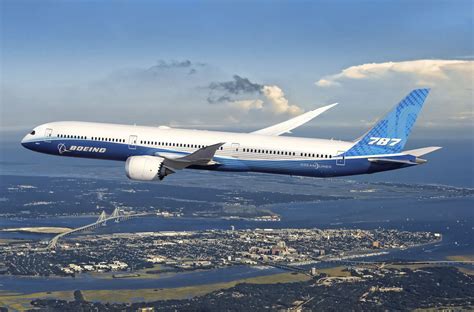
The widebody picture also carries strategic significance. Deliveries of the 787 Dreamliner reflect improved quality control and manufacturing discipline following earlier inspection pauses. Meanwhile, the long-delayed 777X program approaches a critical phase. Boeing is targeting a production-standard aircraft flight in 2026, a milestone that would bring the twin-engine flagship closer to certification and commercial entry. In the long-haul segment, success with the 777X would sharpen competition with Airbus’s A350 and strengthen Boeing’s position in premium international markets.
Order Momentum Signals Long-Term Fleet Confidence
January’s order surge builds on Boeing’s broader recovery arc. In 2025, the company secured more net aircraft orders than Airbus for the first time in nearly a decade. Although Airbus maintained higher annual delivery totals last year, Boeing’s return to order leadership marked an important psychological and commercial inflection point.
The composition of January’s bookings reveals a deeper structural shift. Leasing firms accounted for a substantial share of commitments, reflecting their role as intermediaries between manufacturers and airlines navigating multi-year delivery backlogs. With delivery positions stretching deep into the decade, airlines increasingly rely on lessors to secure capacity flexibility. Boeing’s ability to attract leasing demand indicates confidence not only in aircraft performance but also in long-term residual values.
This forward planning dynamic is reshaping purchasing behavior. Airlines are no longer focused solely on short-term pricing advantages; they are prioritizing delivery slots as strategic assets. In an environment where production capacity remains constrained, securing aircraft availability has become as critical as negotiating favorable terms. Boeing’s early-year order strength suggests carriers are positioning themselves aggressively for growth later in the decade.
Supply Constraints Continue to Shape the Competitive Landscape
Despite Boeing’s January dominance, the broader industry context remains defined by constrained output. Global supply chains for engines, avionics, composite materials, and skilled labor have not fully normalized. Both Boeing and Airbus continue to navigate component bottlenecks that limit rate increases, even as passenger demand rebounds across international and domestic markets.
Airbus has adopted a measured strategy, emphasizing incremental production rate increases and supply-chain stability rather than bold program launches. That approach prioritizes predictability and risk management. Boeing, by contrast, is balancing production ramp-ups with heightened regulatory scrutiny. The difference is less about ambition and more about sequencing—one manufacturer leaning into recovery acceleration, the other safeguarding industrial continuity.
The constraint-driven market dynamic also elevates the importance of backlog quality. Airbus still holds a larger total order backlog, giving it long-term visibility and scale advantages. However, monthly performance swings can materially influence cash flow, investor sentiment, and airline perceptions. January’s delivery gap underscores how financial momentum can shift even when structural backlogs remain unchanged.
A Competitive Balance Poised for Realignment
As 2026 unfolds, the central variable is sustained execution. Boeing’s early surge demonstrates that recovery is translating into tangible output and commercial traction. Deliveries are flowing, orders are accumulating, and flagship programs are approaching critical certification stages. Airbus retains formidable scale and stability, but the competitive balance is no longer static.
In a sector defined by long production cycles and multi-billion-dollar commitments, momentum is rarely linear. Yet January 2026 stands as a clear statement: Boeing has re-entered the contest with operational discipline and renewed commercial strength. If production consistency holds and certification milestones are met on schedule, the early months of 2026 may be remembered not as a temporary spike, but as the opening chapter of a decisive competitive resurgence.