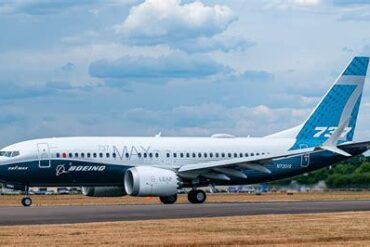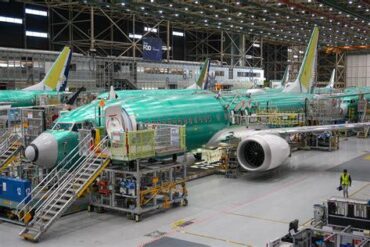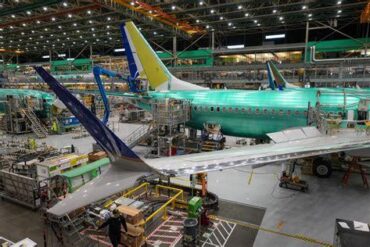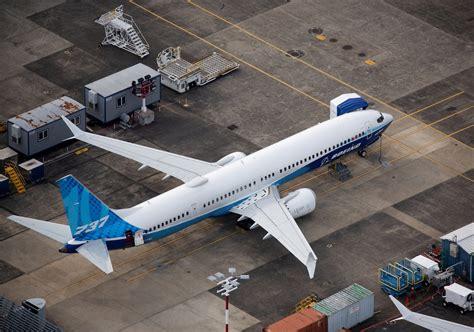
Boeing is preparing to dramatically scale up production of its best-selling narrowbody jet, the 737 MAX, aiming to roll out 47 aircraft per month by early 2026, with aspirations to reach 53 monthly units by the end of the same year. This aggressive ramp-up marks a pivotal moment for the embattled aerospace titan as it claws its way back from years of setbacks, regulatory hurdles, and public scrutiny.
FAA Oversight & The Path to Recovery
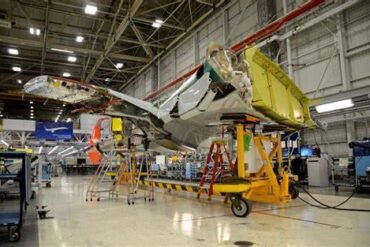
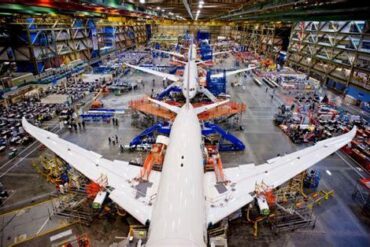
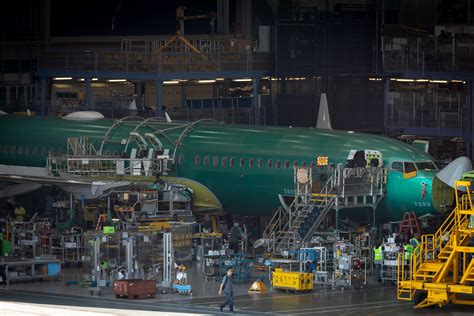
Boeing’s latest production ambitions have been shaped significantly by ongoing oversight from the Federal Aviation Administration (FAA). After granting permission in 2025 to increase output from 38 to 42 aircraft per month, the FAA maintained a firm on-site presence at Boeing’s Renton, Washington facility, ensuring every aircraft meets stringent inspection standards before delivery.
While the initial increase did not result in full-capacity production due to supply chain challenges, the approval set a precedent, laying the groundwork for future expansion. The scrutiny is unrelenting, but it reflects the FAA’s renewed commitment to passenger safety following Boeing’s troubled recent history.
Strategic Control Through Spirit AeroSystems Merger
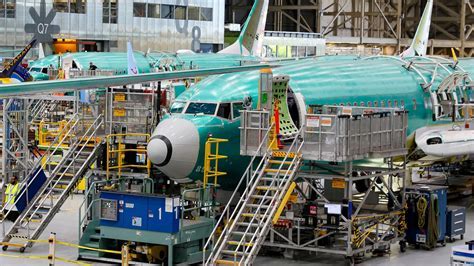
One of the most consequential moves facilitating this production push was Boeing’s merger with Spirit AeroSystems, a former subsidiary and longtime supplier that manufactures approximately 70% of the 737 MAX’s structural components. From the fuselage to key internal systems, Spirit’s role is indispensable—and now, it’s entirely under Boeing’s control.
This merger is far more than a corporate consolidation; it’s a vertical integration strategy meant to boost efficiency, enhance quality control, and resolve systemic issues that previously hampered production. By bringing Spirit’s operations in-house, Boeing can now manage the full value chain “from nose to tail,” a crucial capability given the FAA’s quality demands.
Moreover, Boeing’s leadership is banking on this synergy to unlock production potential. According to Jay Malave, Executive VP of Finance & CFO, the expectation is that by 2026, inventory backlog will have largely cleared. “There won’t be hardly any aircraft, if any at all, that will be coming out of inventory,” he said, signaling a return to a just-in-time production and delivery model.
Moses Lake: The Final Chapter in MAX Storage
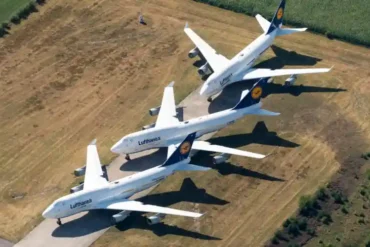
A turning point in Boeing’s recovery came in August 2025, when the company officially emptied its long-term storage facility in Moses Lake, Washington. Once housing over 450 grounded 737 MAX jets, the final aircraft departed, symbolizing the end of a painful chapter.
This site, initially dubbed the “shadow factory,” was responsible for the upkeep, inspection, and modification of aircraft stranded during the MAX crisis. At its peak, nearly 1,000 mechanics and engineers worked to maintain flight-readiness. The shutdown marks a significant cost saving and logistical relief for Boeing.
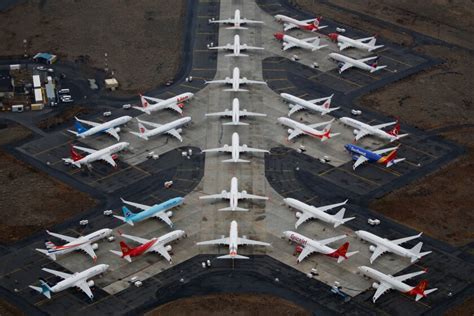
The site has since been repurposed as a flight testing hub for not only the 737 MAX 7 and MAX 10 variants but also the upcoming 777X widebody. The relocation of experienced personnel from Moses Lake back to Renton and Everett will further reinforce production lines, bringing critical skill sets to the assembly front lines.
Certification Horizon: MAX 7 and MAX 10 in the Pipeline
Boeing’s ability to sustain a 47-aircraft monthly pace hinges not just on raw manufacturing capacity but also on the certification timeline for two long-awaited variants—the 737 MAX 7 and the 737 MAX 10. While both are expected to gain FAA approval by late 2026, the initial deliveries, especially for the MAX 10, may be delayed slightly.
Despite these delays, the certification of these models represents a significant leap in the MAX family’s evolution. The MAX 7 is optimized for shorter, lower-density routes, while the MAX 10 targets high-capacity operations, directly challenging Airbus’s A321neo. Their inclusion in Boeing’s commercial offerings will significantly expand the addressable market and provide airlines with greater fleet flexibility.
Addressing the Legacy of Crisis and Groundings
The context surrounding the 737 MAX production story cannot ignore the tragic roots of its grounding. The crashes of Lion Air Flight 610 and Ethiopian Airlines Flight 302, which claimed the lives of 346 people, shook public confidence and drew intense scrutiny over the aircraft’s MCAS flight control system. Boeing faced a global backlash, with regulators around the world grounding the aircraft in 2019.
Just as recovery was underway, Alaska Airlines Flight 1282 suffered a door plug blowout in 2024, reviving questions around manufacturing integrity. This incident delayed efforts to fully rehabilitate the aircraft’s image and underscored the need for stricter quality oversight.
The subsequent internal overhaul at Boeing has touched every corner of the production ecosystem, from employee training to supplier vetting. What emerges in 2026 is not just a faster production line, but one that must operate under a new paradigm of accountability and transparency.
The Competitive Landscape: Airbus Surges Ahead
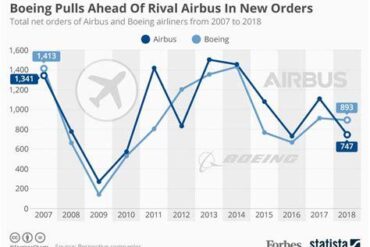
In the midst of Boeing’s turmoil, Airbus surged ahead. By 2025, the European manufacturer’s A320neo family overtook the 737 as the best-selling commercial aircraft in aviation history. This symbolic milestone reflects not only Airbus’s superior output during Boeing’s crisis years but also the broader market shift in airline trust.
However, Boeing’s robust order backlog suggests that many airlines are still betting on the MAX platform. The real challenge is not demand, but execution. If Boeing can deliver consistently at scale in 2026, it may begin to claw back market share and possibly reverse the historical tide in years to come.
Financial Outlook: Production Equals Profitability
The implications of increased production extend far beyond aircraft count. Boeing’s CFO has indicated that the company expects to re-enter positive cash flow territory by 2026, driven largely by the volume increase in MAX deliveries.
The financial bleeding from the grounding era—including tens of billions in lost revenue, compensation payouts, and reputational damage—can only be stemmed by delivering planes and fulfilling orders. Every aircraft that leaves the factory contributes not just to Boeing’s balance sheet, but to rebuilding confidence in the brand.
Analysts expect Boeing’s commercial aircraft division to rebound in 2026, especially if the MAX 10 sees timely certification. Deliveries to high-profile customers like United Airlines, Ryanair, and Southwest will be closely watched indicators of production health.
2026: A Make-or-Break Year for Boeing’s Legacy
As Boeing approaches 2026 with the goal of producing 47 jets per month, the stakes could not be higher. The company is aiming not just to produce aircraft, but to reclaim leadership in the single-aisle market and restore a brand legacy tarnished by years of crisis.
Boeing’s roadmap is ambitious: fully eliminate inventory aircraft, transition into production-led revenue generation, complete MAX 7 and MAX 10 certifications, and possibly gear up for the New Mid-Market Airplane (NMA) discussion once again.
Whether these goals materialize will depend on continued regulatory cooperation, supplier stability, and Boeing’s ability to enforce a culture of engineering excellence. The next year will reveal whether Boeing’s manufacturing juggernaut can not only recover—but redefine the future of aviation.