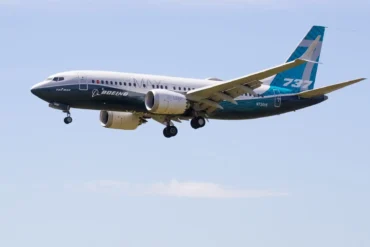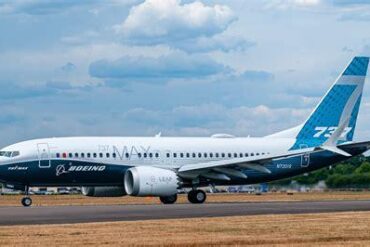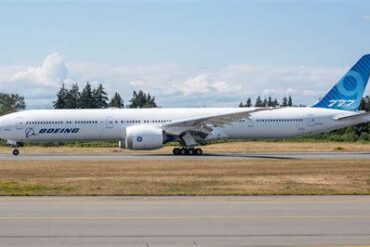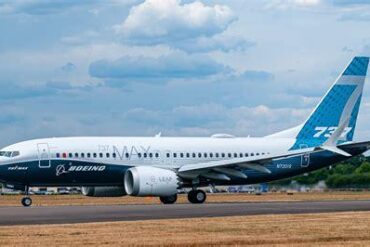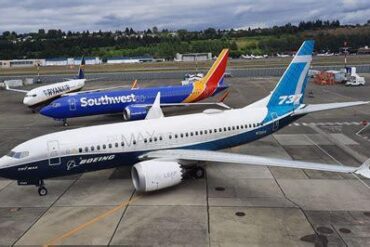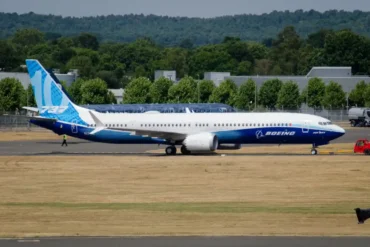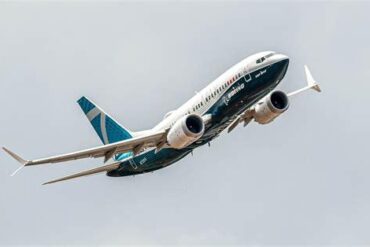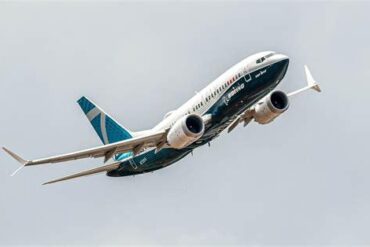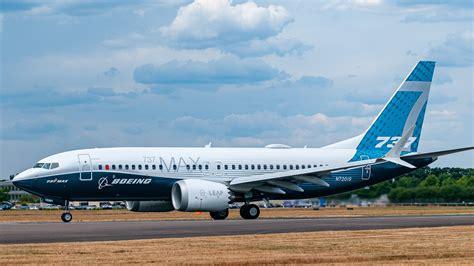
Boeing has delivered a long-awaited update that reshapes expectations across the global aviation industry: the 737 MAX 7 and 737 MAX 10 are now projected to achieve certification in 2026. The announcement, embedded within the company’s Q1 2026 financial results, brings a renewed sense of direction to two aircraft programs that have faced persistent regulatory, technical, and operational hurdles. For airlines and lessors with billions tied up in pending deliveries, this timeline signals a turning point rather than another postponement.
The significance of this update extends beyond Boeing’s internal roadmap. The MAX 7 and MAX 10 collectively account for more than 1,700 orders worldwide, making them essential components of fleet modernization strategies. Airlines have been forced to recalibrate capacity plans and route networks while awaiting clarity. Now, with certification appearing within reach, those long-delayed strategies can begin to take tangible shape.
At the heart of Boeing’s newfound confidence is measurable progress in flight testing. The 737 MAX 10 has entered the Type Inspection Authorization (TIA) 2 phase, a decisive step toward regulatory approval. This phase represents the final stretch of certification flight testing, where performance, safety systems, and compliance are rigorously validated under regulatory oversight. The advancement signals that Boeing is no longer navigating uncertainty—it is executing toward completion.
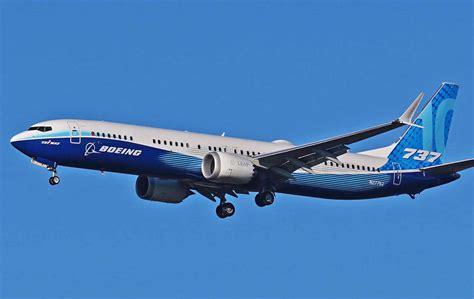
Certification Momentum Builds for MAX 7 and MAX 10
Boeing’s statement that it “expects certification of the 737-7 and 737-10 later in 2026” carries weight because it is backed by visible milestones rather than projections alone. The TIA 2 progress demonstrates that the aircraft are being evaluated in real-world conditions under the scrutiny of regulators, including the FAA. This stage often determines whether any lingering technical concerns remain or if the aircraft can proceed toward final approval.
The delays that have defined both variants were not minor setbacks. Issues such as engine anti-ice system complications forced redesigns and additional testing, pushing timelines repeatedly. Each delay compounded costs for Boeing and frustration among airline customers. Against that backdrop, the 2026 certification target feels less like a routine update and more like a recovery milestone.
Boeing is pairing certification expectations with a projected entry into service in 2027, aligning the MAX 7 and MAX 10 with another high-profile program: the 777X. This synchronization hints at a broader strategic reset, where Boeing aims to stabilize multiple programs simultaneously and restore confidence in its delivery pipeline.
Airline Demand Remains Strong Despite Prolonged Delays
What stands out is not just the scale of orders, but the resilience of demand. Even after years of uncertainty, airlines have continued committing to both aircraft types. The 737 MAX 7 has secured 289 orders, with Southwest Airlines dominating the backlog with 257 aircraft. Smaller allocations are spread across carriers like Ruili Airlines and SkyUp Airlines, alongside unassigned orders that may yet find buyers.
The 737 MAX 10 tells a more dramatic story, with 1,431 orders positioning it as Boeing’s most significant narrowbody growth driver. Its appeal lies in its role as Boeing’s closest competitor to the Airbus A321XLR, an aircraft that has reshaped expectations for long-range narrowbody travel. Major carriers—including United Airlines, Delta Air Lines, American Airlines, Ryanair, Alaska Airlines, and Pegasus Airlines—have each committed to large fleets, underscoring confidence in the aircraft’s long-term value.
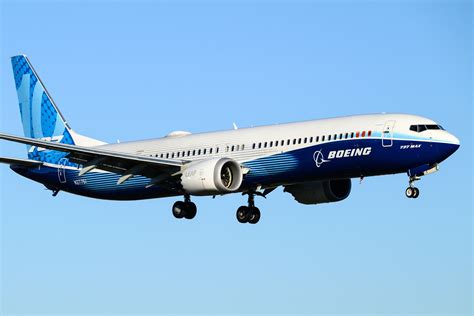
From a design perspective, the contrast between the two variants is striking. The MAX 7 measures 35.56 meters, optimized for shorter routes and lower-capacity markets, while the MAX 10 stretches to 43.8 meters, maximizing seat capacity and efficiency on high-demand routes. Passenger configurations typically range from 138–153 seats on the MAX 7 to 188–204 seats on the MAX 10, allowing airlines to fine-tune fleet deployment with precision.
Boeing’s Financial Strength Reinforces Program Confidence
The certification update arrives alongside a notably strong financial performance. Boeing reported a record backlog of approximately $695 billion, including over 6,100 commercial aircraft on order. This backlog serves as both a safety net and a growth engine, ensuring sustained production demand even as the company works through certification challenges.
Delivery figures further reinforce this momentum. Boeing delivered 143 aircraft in Q1 2026, marking a 10% increase compared to the previous year. This improvement reflects not only operational efficiency but also the company’s determination to meet long-standing customer commitments.
Leadership messaging has also shifted toward confidence and execution. CEO Kelly Ortberg emphasized the company’s focus on delivering high-quality products while ramping up production, signaling a deliberate effort to rebuild Boeing’s reputation as a reliable industry leader. That reputation, once taken for granted, has been under intense scrutiny in recent years.
A Defining Moment for Boeing’s Narrowbody Future
The anticipated certification of the 737 MAX 7 and MAX 10 in 2026 represents more than a regulatory milestone—it is a defining moment for Boeing’s competitive position in the narrowbody market. These aircraft are essential to countering Airbus’s dominance, particularly in the high-capacity and long-range segments where the A321 family has excelled.
For airlines, the implications are immediate and practical. Fleet renewal plans that have been stalled can move forward, route expansions can be revisited, and operational efficiencies tied to newer aircraft can finally be realized. For Boeing, success hinges not just on achieving certification, but on delivering these aircraft smoothly and consistently once approval is granted.
The road to this point has been anything but smooth, marked by technical setbacks and shifting timelines. Yet the current trajectory suggests that Boeing is closing in on resolution. If the 2026 certification target holds, it will mark the end of one chapter—and the beginning of a far more consequential one defined by delivery performance, market competition, and long-term trust.