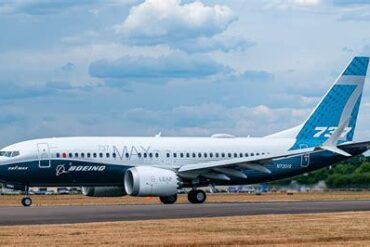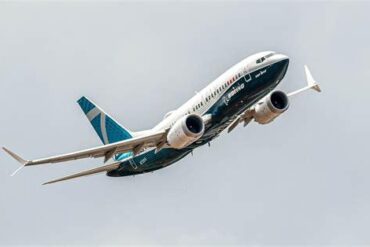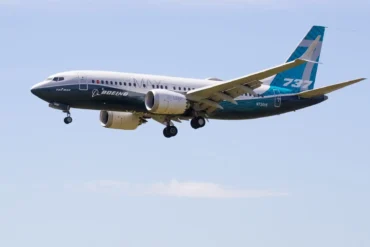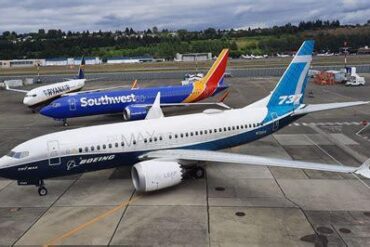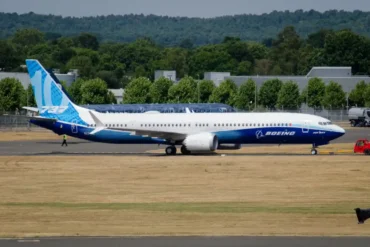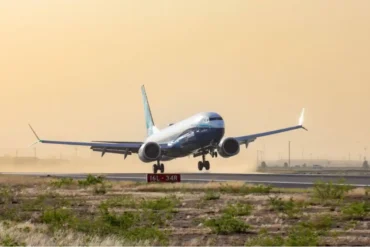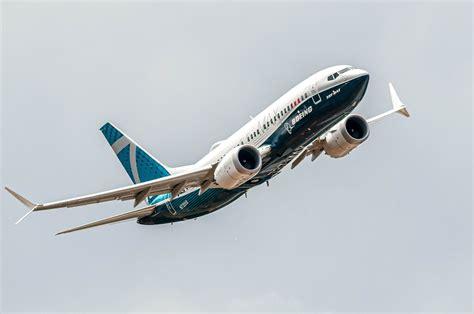
The race to certify the Boeing 737 MAX 10 has become one of the most closely watched developments in modern aviation. As the largest member of the 737 MAX family, this aircraft represents far more than just a stretched fuselage—it is a critical test of Boeing’s ability to recover credibility, stabilize production, and compete aggressively in a market increasingly dominated by Airbus. With certification targeted for the second half of 2026, the MAX 10 sits at the intersection of engineering innovation, regulatory scrutiny, and commercial urgency.
Boeing’s challenge is not merely technical; it is deeply strategic. The company must deliver an aircraft that satisfies stricter Federal Aviation Administration (FAA) oversight while simultaneously meeting the expectations of airlines that have placed hundreds of orders. Carriers such as United Airlines, Ryanair, and WestJet are not just customers—they are stakeholders whose fleet plans depend heavily on the MAX 10 entering service on schedule. Delays ripple across route planning, capacity growth, and profitability models.
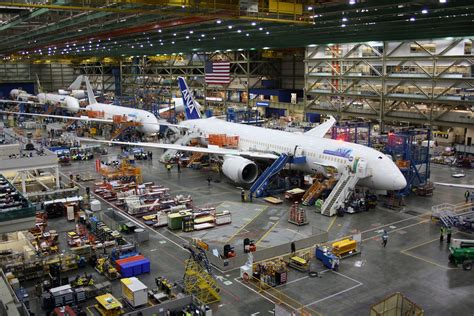
At the same time, Boeing is reorganizing its industrial footprint to prepare for scale. By consolidating operations from Moses Lake and Renton into Everett and opening a fourth production line, the manufacturer is signaling confidence that certification hurdles are finally being cleared. This move reflects a broader shift toward production resilience, ensuring the company can meet demand once the aircraft is approved.
Engineering the Fix: Solving the Engine Anti-Ice System Challenge
The most persistent obstacle in the MAX 10 certification journey has been the engine anti-ice system, a seemingly narrow technical issue with far-reaching implications. Under certain conditions—particularly prolonged operation in dry air during ground phases—the system could overheat, potentially causing structural damage. While earlier variants like the MAX 8 and MAX 9 continued operating with procedural mitigations, regulators demanded a permanent engineering solution before approving the MAX 10.
Boeing’s response has been both methodical and decisive. Engineers redesigned aspects of the system to prevent overheating, integrating safeguards that align with the FAA’s heightened certification standards. This fix is now undergoing rigorous validation during the Type Inspection Authorization (TIA) phase, where regulators evaluate avionics, propulsion systems, and integrated performance under real-world conditions.
What makes this moment pivotal is not just the resolution of a technical flaw, but the demonstration of a new certification philosophy. Boeing is operating in an environment where incremental fixes are no longer sufficient; every system must withstand exhaustive scrutiny. The MAX 10, therefore, becomes a proving ground for how modern aircraft are validated in a post-crisis regulatory landscape.
Regulatory Reinvention: Safety Systems After the 737 MAX Crisis
The legacy of the 2019 crashes continues to shape every aspect of the MAX 10 program. In response to those tragedies, Boeing implemented a synthetic-enhanced angle-of-attack (AoA) system, adding a third layer of data validation to prevent erroneous sensor readings from triggering unsafe conditions. This system not only cross-checks inputs but also provides pilots with improved control over cockpit alerts during abnormal scenarios.
These changes reflect a broader shift toward redundancy and pilot empowerment. The MAX 10 is not simply an upgraded aircraft—it is a fundamentally re-evaluated platform designed to restore trust. Regulatory bodies, particularly the FAA, have adopted a far more hands-on role, ensuring that certification is not rushed and that every system meets the highest safety benchmarks.
This intensified scrutiny has delayed the MAX 10 significantly, but it has also elevated its importance. The aircraft now symbolizes Boeing’s commitment to engineering accountability, making its eventual approval a milestone for both the company and the industry.
Production Surge: Preparing Everett for High-Volume Output
While engineering teams finalize certification, Boeing’s manufacturing divisions are preparing for a rapid production ramp-up. The Everett facility, historically associated with widebody aircraft, is being transformed into a central hub for MAX production expansion. This shift is not merely logistical—it is psychological, reflecting renewed confidence among employees and leadership.
Boeing aims to increase monthly output beyond the current 42 aircraft per month, with plans to reach 47 deliveries and eventually scale higher once the MAX 10 enters full production. Achieving this requires a synchronized effort across supply chains, workforce training, and quality control systems. The company’s ability to execute this ramp-up will determine whether it can capitalize on its massive order backlog.
Internally, there are signs of a cultural shift. Executives have noted rising morale and reduced turnover, suggesting that the workforce believes in the company’s recovery trajectory. This intangible factor—confidence—may prove as critical as any engineering breakthrough.
Market Dynamics: Why Airlines Are Betting Big on the MAX 10
The commercial appeal of the 737 MAX 10 lies in its unique position within the narrowbody segment. With a capacity of up to 230 passengers, it offers airlines a powerful tool for high-density routes while maintaining the efficiency advantages of a single-aisle aircraft. This combination makes it particularly valuable for hub-to-hub operations and high-demand regional markets.
Airlines are also influenced by external constraints. The competing Airbus A321neo is effectively sold out into the next decade, leaving carriers with limited alternatives. For operators already flying the MAX 8 or MAX 9, the MAX 10 provides seamless integration through common pilot training and maintenance systems, reducing operational complexity and costs.
Recent order activity underscores this demand. American Airlines has expanded its commitment with over 100 additional aircraft, while United Airlines and Ryanair maintain some of the largest single-aisle orders in aviation history. These commitments are not speculative—they are strategic bets on the MAX 10’s ability to deliver fuel efficiency, capacity, and reliability at scale.
Competitive Pressure: Closing the Gap with Airbus
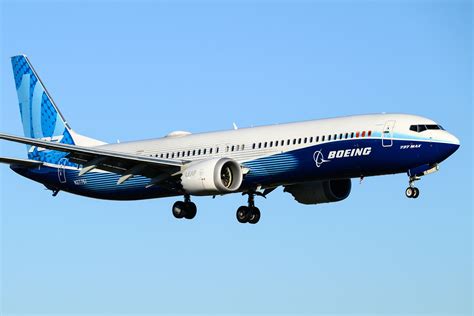
The stakes for Boeing extend beyond a single aircraft program. The Airbus A320 family has overtaken the 737 as the best-selling airliner series, largely due to the success of the A321neo. The MAX 10 is Boeing’s most direct response—a platform designed to reclaim market share in the upper end of the narrowbody segment.
However, competition is no longer defined solely by performance metrics. Delivery timelines, production reliability, and after-sales support have become equally decisive. Airbus has capitalized on Boeing’s delays, locking in customers with long-term delivery slots. To compete effectively, Boeing must not only certify the MAX 10 but also deliver it consistently and on schedule.
This dynamic creates a high-pressure environment where execution is everything. The MAX 10’s success will depend on Boeing’s ability to align engineering, manufacturing, and customer support into a cohesive operational strategy.
The Road Ahead: Certification as a Turning Point
As the 737 MAX 10 approaches certification, it represents a convergence of lessons learned, challenges overcome, and opportunities ahead. The resolution of the anti-ice system issue, the integration of advanced safety features, and the preparation for large-scale production all point toward a program nearing maturity.
Yet the true significance of the MAX 10 lies in what it enables. For Boeing, it offers a path to regain market leadership and financial stability. For airlines, it provides a long-awaited solution to capacity and efficiency demands. And for the industry, it serves as a benchmark for how complex aircraft programs can evolve under intense scrutiny.
The final approach to certification is not just about clearing regulatory hurdles—it is about proving that Boeing can deliver a product that meets the highest standards of safety, performance, and reliability. If successful, the MAX 10 will not only enter service but redefine expectations for what a modern narrowbody aircraft can achieve.