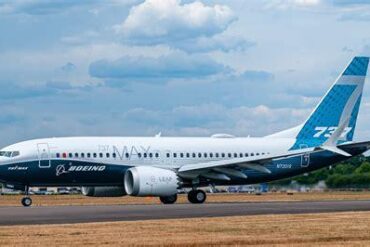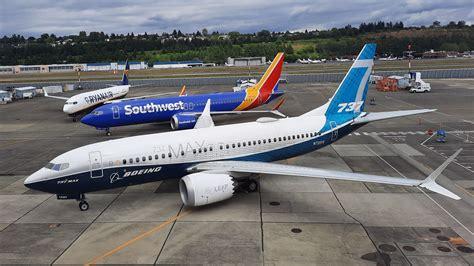
The SMYD on the 737 MAX series plays a critical role in stall recognition and recovery, two aspects crucial to the aircraft’s safety profile. The system uses angle of attack (AOA) data to determine the plane’s proximity to aerodynamic stall. It then activates the stick shaker—a tactile warning felt by pilots—and may influence other automated recovery protocols.
Historically, the SMYD on previous 737 models was certified to Design Assurance Level B (DAL B), which assumes that a system failure would only have major, not catastrophic consequences. However, following the fatal crashes of Lion Air Flight 610 and Ethiopian Airlines Flight 302, FAA scrutiny around AOA systems and their integration intensified dramatically. Boeing’s newer SMYD development was thus expected to comply with the far stricter DAL A framework to avoid similar systemic oversights.
Boeing’s Shift in Strategy: From Petition to Compliance
The decision to rescind the exemption represents a tactical shift in Boeing’s certification strategy. Rather than proceed under conditional FAA approval and face ongoing industry skepticism, the manufacturer is now committing to demonstrate full regulatory compliance ahead of type certification. In the June 9 communication to the FAA, Boeing acknowledged that “relief requested is no longer necessary” and that the updated SMYD software will meet applicable safety standards without deferral or delay.
This change appears influenced by multiple factors, including:
- Mounting pressure from aviation safety groups.
- A broader push from regulatory bodies for transparency and accountability.
- The need to restore stakeholder confidence after years of reputational challenges.
Implications for MAX 7 Certification Timeline and Deliveries
The withdrawal of the exemption may impact the certification timeline, but it positions Boeing for a cleaner, controversy-free FAA approval process. Boeing has repeatedly emphasized that the MAX 7 is essential to its fleet strategy, particularly for key customers like Southwest Airlines, the launch customer.
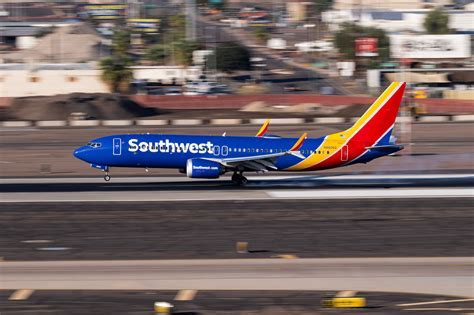
Certification delays for the MAX 7 have already pushed back expected deliveries, and the FAA has remained adamant that no shortcuts will be tolerated. By aligning with full compliance requirements, Boeing may delay certification marginally but strengthen its regulatory and public standing in the long run.
Broader Impact on 737 MAX Family and SMYD Evolution
The SMYD system’s noncompliance also affects the 737 MAX 10 and both enhanced and non-enhanced AOA (EAOA) systems being developed for the entire MAX series. Boeing’s plan to defer DAL A compliance to post-certification updates raised red flags, especially given its past history with system failures and inadequate safeguards.
In January 2025, the manufacturer submitted another SMYD-related exemption, expanding the scope to cover all MAX models. However, the controversy surrounding this strategy may have contributed to the withdrawal of the MAX 7 exemption. FAA insiders suggest that further exemption approvals are now less likely, as public and political scrutiny intensifies over aerospace regulation and manufacturer influence.
FAA’s Next Steps: Ensuring Rigorous Oversight
As Boeing resumes its compliance testing and documentation, the FAA will likely enforce strict oversight protocols, requiring real-time performance verification of the updated SMYD. The agency may also insist on independent validation of software robustness under various lightning strike and HIRF conditions, especially as weather and interference become more prominent concerns in modern aviation.
While the FAA has not yet commented publicly on Boeing’s withdrawal, industry analysts anticipate greater transparency and disclosure requirements for all future certification petitions—particularly for flight-critical systems like the SMYD, which directly influence aircraft behavior in high-stress scenarios.
Rebuilding Trust Through Engineering Integrity
The Boeing 737 MAX program has been under a regulatory microscope since 2019, and every decision surrounding its certification reverberates across the global aviation landscape. By voluntarily stepping back from its exemption request, Boeing may be acknowledging that regulatory leniency no longer earns industry trust—only technical excellence does.
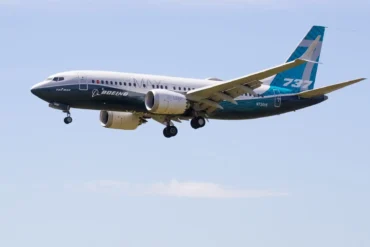
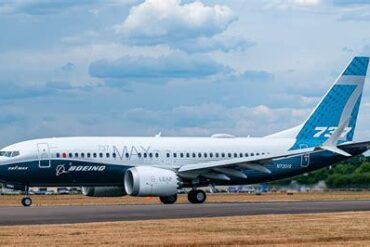
For carriers waiting on the MAX 7, particularly Southwest, this decision may cause short-term schedule adjustments but provide long-term operational assurance. The MAX 7’s 116-foot fuselage, 117-foot wingspan, and advanced performance characteristics make it ideal for short-to-medium range operations with challenging airport environments—segments where stall prevention and yaw damping capabilities are crucial.
Conclusion: A Necessary Recalibration in Boeing’s Approach
Boeing’s withdrawal of its SMYD exemption request for the 737 MAX 7 is not merely a paperwork adjustment—it’s a strategic recalibration that reaffirms the role of uncompromising engineering in aviation safety. It reflects the mounting industry expectation that manufacturers go beyond minimal compliance and deliver proactive safety innovations.
As the FAA prepares to evaluate the updated SMYD under DAL A parameters, Boeing’s actions will be scrutinized for technical rigor, not expediency. The 737 MAX 7’s road to certification remains arduous, but with this decision, the company signals a clearer intent to align with the highest possible safety benchmarks—a move that, while complex and costly, is ultimately the only path forward for rebuilding trust in the skies.