The global aviation community has been rocked by the catastrophic crash of Air India Flight 171, a Boeing 787-8 Dreamliner, which claimed the lives of 241 out of 242 people onboard. In the wake of this unprecedented tragedy, Boeing CEO Kelly Ortberg has canceled his scheduled appearance at the 2025 Paris Air Show, underscoring the gravity of the incident and the company’s immediate focus on crisis response and investigative cooperation.
Immediate Fallout After Air India Flight 171 Crash
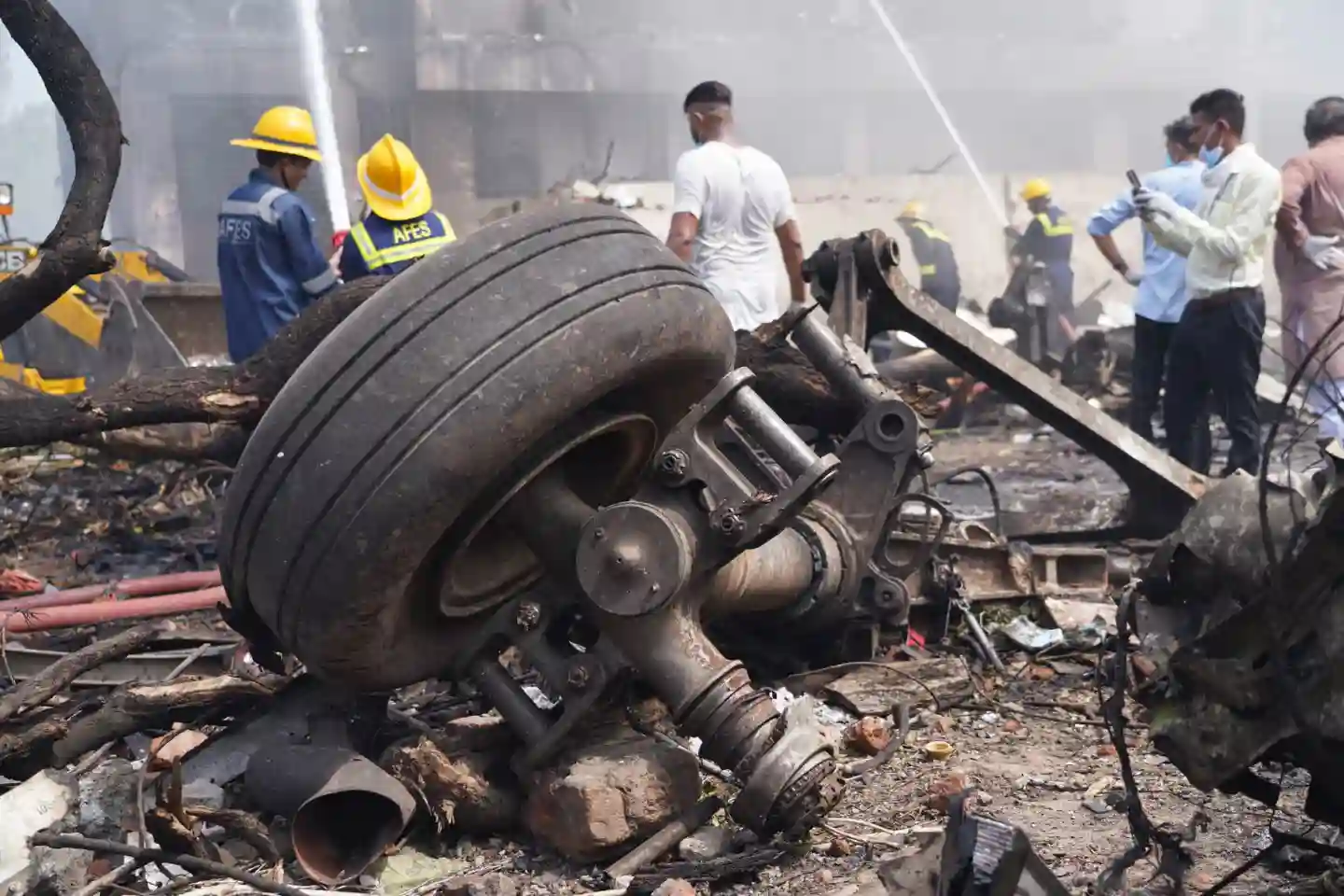
Air India Flight 171 took off from Ahmedabad International Airport at approximately 13:38 local time on June 12, en route to London Gatwick. Within minutes of departure, the aircraft began to lose altitude at around 625 feet. The jetliner crashed shortly afterward, marking the first-ever hull loss of a Boeing 787 Dreamliner and one of the most devastating commercial aviation disasters in recent years. The lone survivor, a flight attendant seated near the tail section, is in critical condition.
Authorities have since recovered the aircraft’s Flight Data Recorder (FDR) and Cockpit Voice Recorder (CVR). India’s Aircraft Accident Investigation Bureau (AAIB) is leading the investigation, supported by the Directorate General of Civil Aviation (DGCA), the U.S. National Transportation Safety Board (NTSB), and the UK’s Air Accidents Investigation Branch (AAIB).
Boeing Leadership Steps Back to Prioritize Investigation
Ortberg’s decision to withdraw from the Paris Air Show, announced in an internal message to employees, represents a significant deviation from Boeing’s previously planned high-visibility strategy at the international aerospace exhibition. This event would have marked Ortberg’s first public appearance as Boeing’s CEO at a major global event. Boeing Commercial Airplanes President Stephanie Pope has also canceled her attendance.
Ortberg emphasized in his message that Boeing’s senior leadership must be fully engaged in supporting the investigation, both in India and with international regulatory bodies. His absence underscores the company’s priority shift from public engagement to internal scrutiny, accountability, and damage control.
GE Aerospace Withdraws Amid Engine Scrutiny
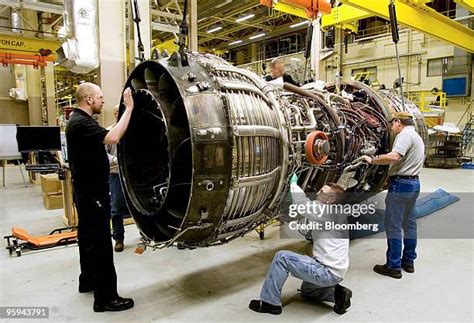
Adding further weight to the incident, GE Aerospace has canceled its Investor Day, which was scheduled for June 17 during the Paris Air Show. GE supplied the GEnx-1B engines that powered the downed 787-8. The company announced it is assembling a dedicated team of engineers and specialists to collaborate with investigative authorities.
In a formal statement, GE Aerospace clarified: “Our senior leadership is focused on supporting our customers and the investigation.” The company’s presence at Le Bourget will now be minimal, with technical staff redirected to assist ongoing inquiries in India.
Regulatory Pressure Mounts on Air India
In the aftermath of the crash, India’s DGCA has issued an emergency operational directive. All Boeing 787-8 and 787-9 aircraft in Air India’s fleet—comprising 27 787-8s and 7 787-9s, all equipped with GE’s GEnx engines—must now undergo enhanced maintenance protocols.
These one-time pre-departure checks include:
- Verification of takeoff thrust settings
- Analysis of fuel system performance
- Inspection of hydraulic and cabin air systems
- Review of engine control parameters
This directive, effective midnight June 15, highlights the seriousness with which authorities are treating the possibility of systemic technical failure.
Implications for the Paris Air Show and the Aviation Industry
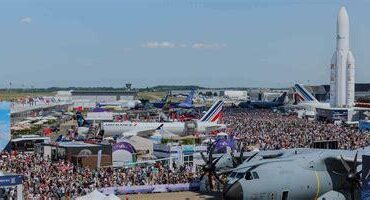
The cancellation of Ortberg’s appearance, coupled with Boeing’s scaled-back presence, will cast a long shadow over this year’s Paris Air Show at Le Bourget, one of the aerospace industry’s most important global platforms. Several major commercial announcements—especially those related to new aircraft orders—are now expected to be shelved.
Reports suggest that a highly anticipated order from Royal Air Maroc, which was to include Boeing 787s and Airbus A220s, is now unlikely to be announced. Airbus CEO Guillaume Faury extended condolences and confirmed that Airbus, too, would maintain a low profile during the event out of respect for the victims and the investigation.
Historical and Strategic Impact for Boeing
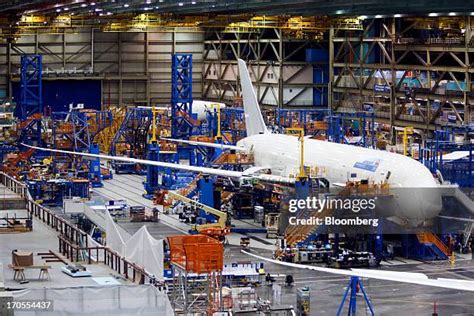
This crash represents not just a tragic loss of life but also a critical reputational blow for Boeing, whose Dreamliner program had until now maintained a clean record concerning hull loss incidents. The 787 was launched as a flagship project symbolizing fuel efficiency, long-range capabilities, and advanced composite materials.
However, the Dreamliner has previously faced scrutiny over battery malfunctions, production quality control at its Charleston plant, and delays in delivering aircraft. This fatal incident intensifies those concerns and may prompt global regulatory reassessments of the 787 platform.
Industry-Wide Reverberations and Safety Concerns
With global aviation recovering from the pandemic and striving for renewed public confidence, this crash is likely to have far-reaching implications beyond Boeing. Airlines may face renewed pressure to re-certify certain aircraft, update maintenance procedures, and revisit crew training protocols.
The Dreamliner’s extensive international user base—including carriers like ANA, Qatar Airways, British Airways, and American Airlines—means that any technical faults identified in the investigation could lead to fleet-wide inspections or temporary groundings.
What Comes Next for Boeing and the Investigation
As investigators sift through flight data and analyze the wreckage, industry watchers are bracing for revelations that could reshape not just the 787 program but Boeing’s entire commercial aircraft strategy. With its credibility under the microscope, Boeing must navigate a delicate path forward—balancing transparency, accountability, and strategic continuity.
The company has not announced whether its scheduled presentations, press briefings, or customer meetings at the Paris Air Show will proceed. All indications suggest a subdued participation at best, with priority shifting to internal damage assessment and rebuilding stakeholder trust.
A Somber Week for Aviation
The tragedy of Air India Flight 171 has cast a pall over what was intended to be a celebratory week for global aerospace innovation. Instead, the crash has redirected attention toward the sobering realities of aviation safety, engineering accountability, and corporate responsibility.
With the aviation world watching closely, the actions Boeing takes in the coming weeks—and the findings that emerge from the ongoing investigation—will be instrumental in determining the future not only of the 787 Dreamliner but of public trust in the Boeing brand itself.
For now, the skies remain troubled, and the spotlight remains firmly fixed on Boeing and its next moves amid one of the most devastating chapters in recent aviation history.