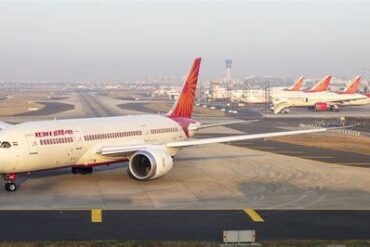
The fatal crash of an Air India Boeing 787-8 on June 12, 2025, has shattered the aviation industry’s momentum just days before the opening of the Paris Air Show, casting a somber cloud over what was meant to be a triumphant showcase of aerospace innovation. The tragedy, which claimed 241 of 242 lives en route from Ahmedabad to London, comes at a moment of renewed scrutiny for Boeing, a manufacturer still struggling to shake off the residue of past disasters.
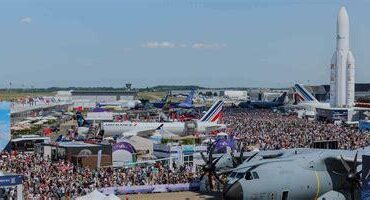
The Paris Air Show, traditionally a celebration of aerospace engineering and commercial deals, now bears the tone of a global memorial. What was to be a symbol of Boeing’s rebound, under the leadership of CEO Kelly Ortberg, has instead morphed into a crisis response center. Executives have withdrawn from keynote appearances. Promotional activities have been dialed back. The entire show, once a display of confidence and ambition, now reflects a subdued and uncertain industry.
Boeing’s Fragile Comeback Collides with Catastrophe
Boeing entered the 2025 Paris Air Show carrying the weight of multiple strategic wins. Just weeks prior, the company had secured multi-billion dollar orders, including a historic $96 billion contract with Qatar Airways and major deals with Saudi Arabia’s AviLease and British Airways. These transactions were designed to position Boeing as a revitalized force in commercial aviation, with the 787 Dreamliner and 777X families taking center stage. But all momentum was undone in a single, horrifying event.
The Air India crash reawakens old traumas—namely, the 737 Max disasters of 2018 and 2019, which killed 346 people and led to the longest grounding of a commercial aircraft in history. Now, with the 787 under the microscope, Boeing is again forced to defend its design philosophy, manufacturing integrity, and oversight practices.
No cause has been officially determined in the Air India incident, but global regulators are already converging on the site, and multiple aviation watchdogs are launching parallel probes.
Muted Triumph: From Orders to Ordeals
Despite the chilling backdrop, some airline executives have stood by their commitments. Qatar Airways’ massive 787 and 777X deal remains on course, and additional orders from IAG and AviLease suggest continued faith in Boeing’s engineering prowess. But industry confidence isn’t built on contracts alone. The public, investors, and airline passengers see more than spreadsheets—they see stories, headlines, and legacies.
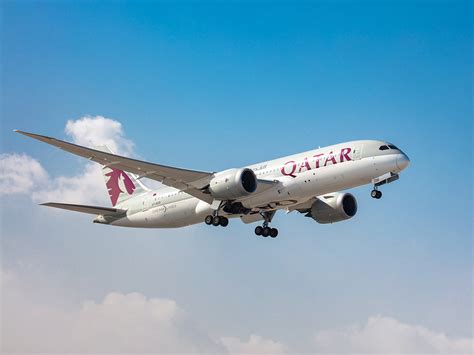
The 787, once promoted as a “game-changing long-haul marvel,” now risks being remembered for mechanical inconsistencies, battery issues, and tragic headlines. That narrative is especially dangerous in an era where Airbus is extending its dominance with the A321neo and long-range XLR variants.
Production Woes and Regulatory Scrutiny Intensify
Even before the Air India crash, Boeing was navigating a labyrinth of regulatory delays and production constraints. The FAA continues to limit monthly 737 Max production to 38 units following a series of manufacturing quality lapses, including the infamous door-plug blowout on an Alaska Airlines 737 Max 9 in early 2024. Meanwhile, certification for the 737 Max 7, Max 10, and 777-9 remains pending.
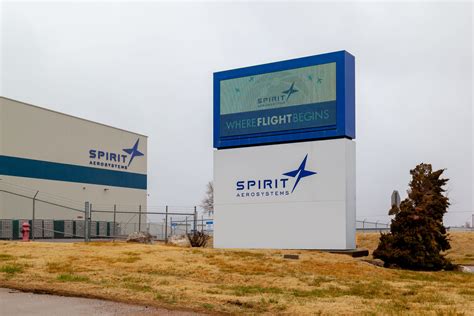
In an attempt to resolve some of its supply chain turbulence, Boeing is acquiring Spirit AeroSystems, its largest structural component supplier. But the deal is far from simple. Spirit also supports Airbus and Bombardier programs, prompting regulatory intervention over antitrust concerns. If approved, the acquisition may help Boeing control fuselage integrity and improve assembly consistency across all platforms. However, full operational stability is still months—if not years—away.
Paris Air Show: From Celebration to Crisis Control
The optics in Paris are stark. Boeing executives, including Ortberg and Commercial Airplanes CEO Stan Deal, canceled planned media appearances. There are no elaborate unveilings or interactive showcases this year. Instead, Boeing’s booth has become a place for quiet conversations and corporate damage control. Attendees are no longer asking about cabin configurations or fuel burn—they’re asking about accountability and trust.
The response from Airbus has been measured but evident. While publicly expressing condolences, Airbus has quietly advanced its position, with its A350 freighter and A321XLR programs drawing increased attention. Unlike Boeing, Airbus has no recent crashes staining its reputation and is benefiting from smoother certification timelines across its product lines.
Global Ramifications: Boeing’s Decline is Everyone’s Concern
The implications of Boeing’s struggles stretch far beyond corporate PR. With only two global players in large-scale commercial aircraft manufacturing, any instability at Boeing disrupts airline strategies worldwide. New aircraft delivery schedules, fleet planning, and even ticket pricing can be affected if Boeing falters. In regions where Airbus production backlogs already stretch into 2030, a constrained Boeing presents existential problems for smaller carriers and emerging markets.
Moreover, aviation safety standards are collaborative by nature. When one OEM (Original Equipment Manufacturer) suffers, regulatory protocols, cross-border investigations, and international certifications face ripple effects. With the Air India crash now under multiple national and transnational reviews, the regulatory climate is expected to tighten.
Looking Forward: Boeing’s Critical Inflection Point
As of mid-June 2025, Boeing finds itself at a crossroads. The next steps it takes will define not only the future of its 787 program but also its standing in the global aerospace hierarchy. Analysts predict that Boeing will eventually need to launch a clean-sheet successor to the 737 by the mid-2030s to compete with the A321neo family. But today, such innovation is a distant goal. Immediate priorities are clearer: rebuild trust, improve quality, stabilize leadership.
That mission becomes more urgent with each passing day. As more details emerge from the crash investigations, Boeing must balance transparency with caution, empathy with resolve. The company’s future, once tied to fleet expansion and next-generation technology, now hinges on its ability to demonstrate humility, responsibility, and structural reform.
Conclusion: A Somber Paris and an Uncertain Horizon
What was meant to be a defining moment of recovery for Boeing at the 2025 Paris Air Show has instead become a vivid reminder of the fragility of trust in aviation. The Air India 787 crash has done more than claim lives—it has pierced through layers of corporate optimism, shaken investor confidence, and reopened wounds thought to be healing.
Boeing’s challenge now isn’t about selling jets—it’s about proving that its values align with safety, ethics, and transparency. The world is watching. Competitors are advancing. And the stakes have never been higher.
Whether Boeing rises from this tragedy with renewed purpose or becomes further entangled in crisis will shape not just its own legacy, but the direction of global aviation for decades to come.