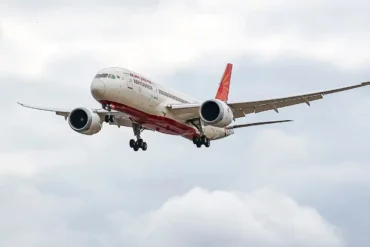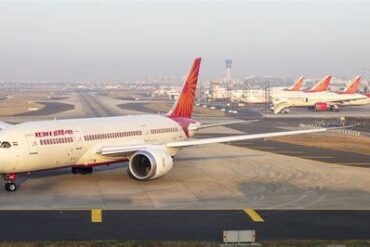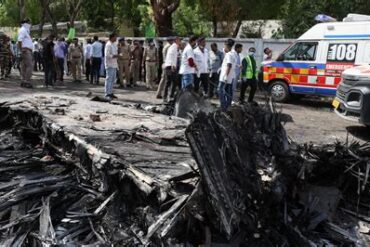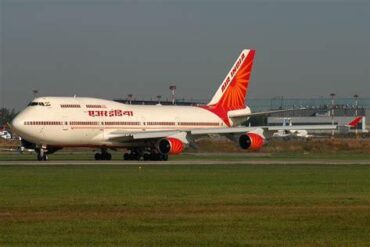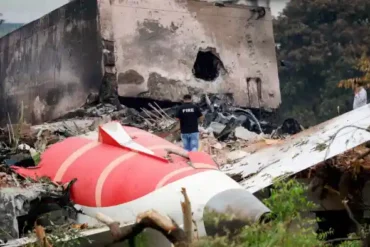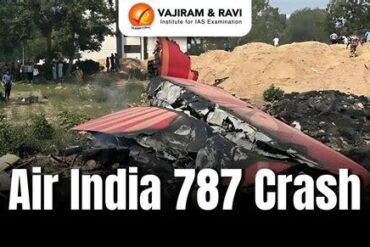
The tragic crash of Air India Flight AI 171, which resulted in the loss of over 270 lives, has ignited a firestorm of scrutiny over the Boeing 787 Dreamliner—an aircraft once hailed for its cutting-edge design and exceptional safety record. As investigators pore over data from flight recorders and forensic evidence from the wreckage outside Ahmedabad, the incident is already reshaping industry discussions around engineering integrity, quality control lapses, and long-overlooked safety concerns embedded in the Dreamliner’s complex production legacy.
Global Shock as Boeing 787’s Safety Record Shattered
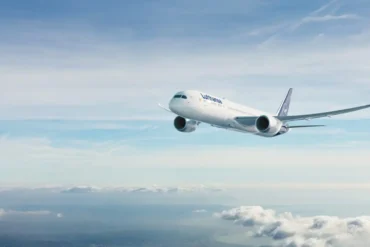
The Boeing 787 Dreamliner had built its reputation on more than a decade of incident-free operation, transporting over a billion passengers across the globe without a single fatal crash. Introduced in 2011, the aircraft was designed with fuel-efficient composite materials, next-generation avionics, and a flexible long-haul range, making it a staple in airline fleets from ANA to Qatar Airways. Yet this crash has not only ended its pristine record—it has rattled public trust and triggered regulatory alarms worldwide.
Air India Flight AI 171 was en route from Ahmedabad to London Gatwick when it plummeted shortly after takeoff. Preliminary reports confirm that the aircraft had served over eleven years in commercial operation, raising questions about its structural fatigue, maintenance consistency, and the latent engineering vulnerabilities that may have compounded over time.
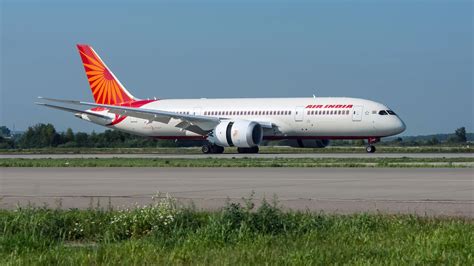
Cracks in a Once-Lauded Dream: Boeing 787’s Production Woes
The Dreamliner’s development has long been marred by manufacturing inconsistencies, and this crash has forced both industry insiders and the public to confront the unresolved legacy of production flaws that have haunted Boeing’s South Carolina and Everett, Washington, assembly lines.
Between 2019 and 2023, Boeing halted deliveries of the 787 on two separate occasions. Investigations uncovered:
- Structural misalignments at fuselage joins
- Electrical grounding defects in critical zones
- Components missing documentation or improperly installed
Auditors and whistleblowers consistently flagged these issues, noting not only defective practices but an erosion of Boeing’s internal quality culture. Internal memos revealed that parts with incomplete traceability were being installed, and in several instances, foreign debris was discovered near sensitive wiring compartments, violating clean manufacturing standards.
Internal Safety Red Flags and Regulatory Oversight
Boeing repeatedly claimed compliance with FAA standards, but internal quality inspectors, engineers, and auditors painted a different picture. Several employees cited that procedures were rushed to meet delivery deadlines, with inconsistent inspections becoming the norm. This led to a cascade of safety concerns:
- Inadequate bonding between fuselage sections
- Loose bolts near high-voltage zones
- Use of parts with unclear origins or insufficient documentation
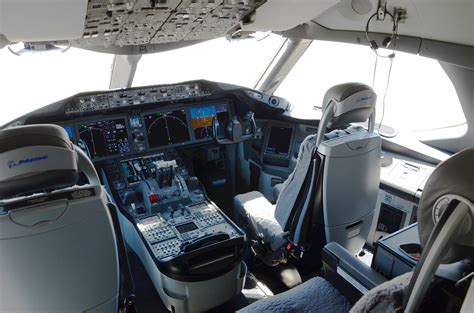
These findings prompted the FAA and international regulators to ramp up scrutiny, launching unannounced inspections and demanding tighter compliance protocols. Yet despite these interventions, the systemic weaknesses persisted, becoming latent risks embedded within each newly delivered aircraft.
Strategic Innovation vs. Execution Failure
The Dreamliner was born out of Boeing’s strategic pivot away from hub-based travel. In response to skyrocketing fuel prices and evolving market preferences in the early 2000s, Boeing envisioned a lightweight, long-range aircraft that could connect non-hub cities directly. The 787’s advanced aerodynamics, composite fuselage, and energy-efficient systems redefined long-haul travel.
But while the vision was bold, the execution fell short. Boeing outsourced significant portions of production to external suppliers, expecting streamlined integration. However, coordination challenges led to mismatched components and miscommunication over design tolerances—many of which were corrected only after aircraft were assembled. This foundational strategy, once praised for innovation, has now come under harsh critique for contributing to today’s catastrophe.
Past Technical Challenges Set the Stage
The Dreamliner’s troubles didn’t begin with AI 171. In 2013, the fleet was grounded globally after its lithium-ion batteries caught fire on two separate aircraft. The issue—eventually traced to thermal runaway and faulty containment—prompted a redesign. While the Dreamliner returned to service, that episode revealed Boeing’s vulnerability in field-testing revolutionary tech without full operational maturity.
From 2019 to 2023, recurring issues shifted from innovation flaws to basic production failures. These included:
- Misfit composite panels that required post-assembly corrections
- Reports of moisture ingress in avionics bays
- Fatigue cracks forming earlier than expected in fuselage joints
Each revelation eroded confidence, and many industry voices now argue that Boeing’s response has often prioritized schedule recovery over systemic reform.
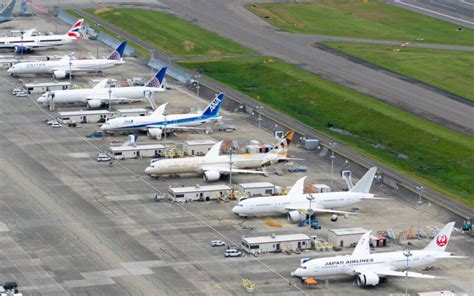
The AI 171 Catastrophe: Layers of Complexity
Investigators are now dissecting every element of the ill-fated aircraft’s history. Maintenance logs, crew reports, and flight telemetry are being scrutinized. Experts are considering:
- Structural fatigue in fuselage components beyond their tested lifecycle
- Possible software anomalies in flight control systems
- Overlooked issues during recent heavy maintenance cycles
The aircraft’s age—over 11 years—places it among the older Dreamliners in service, and experts have warned that the original quality issues from its early production years may now be surfacing as long-term structural degradation.
Additionally, analysts have flagged persistent concerns about moisture leaks within the Dreamliner’s electrical systems—an issue raised by engineers as far back as 2016. If water intrusion compromised flight-critical systems in AI 171, it would signal a devastating design and inspection failure.
Global Response and Operational Fallout
As the investigation unfolds, airlines and regulators across the globe are initiating their own checks. EASA, DGCA, FAA, and others have already begun:
- Requiring additional inspections for Dreamliners over ten years old
- Mandating verification of fuselage joint tolerances during maintenance
- Reassessing moisture insulation in electrically sensitive compartments
For carriers operating older 787s—such as Ethiopian Airlines, United, ANA, and British Airways—this could mean temporary groundings or operational adjustments, as fleets are inspected and maintenance programs revised.
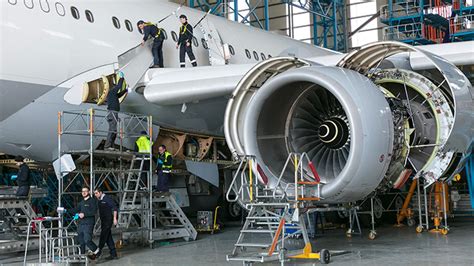
Boeing’s Crisis of Trust
The AI 171 tragedy has plunged Boeing into yet another credibility crisis. Already battling the legacy of the 737 MAX disasters, the company must now confront allegations of cut corners, whistleblower suppression, and a corporate culture that may have sidelined safety in favor of delivery targets.
Restoring faith in the Dreamliner will take more than regulatory fixes. It will demand:
- Full transparency in investigation findings
- A sweeping reform of quality control procedures
- Reinvigoration of safety-first engineering culture
Analysts caution that future orders of the 787 may decline, particularly from state-owned or safety-conscious carriers. Boeing’s widebody market share—once robust—is now at risk, especially as competitors like Airbus ramp up production of the A350 with tighter quality control mechanisms.
A Pivotal Moment for Global Aviation
This disaster is more than a singular aviation incident. It represents a tipping point in how the global industry evaluates aircraft safety, production accountability, and long-term maintenance planning. The findings from AI 171 will likely shape regulatory frameworks for years to come.
In the coming months, the world will await the final investigation report. But already, the legacy of the Boeing 787 Dreamliner has changed. What was once a symbol of aviation innovation is now a case study in the perils of unchecked ambition, delayed oversight, and the high cost of overlooking the basics.
Boeing may recover commercially, but the trust deficit with the flying public and regulators will take far longer to repair.