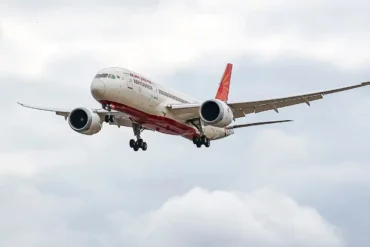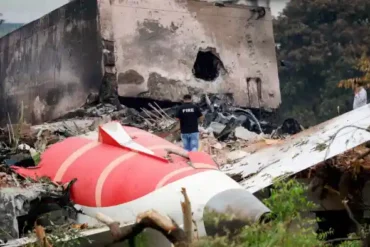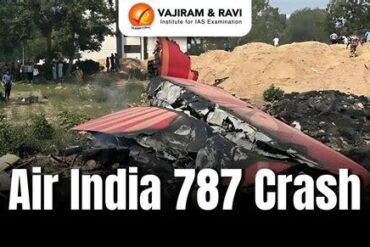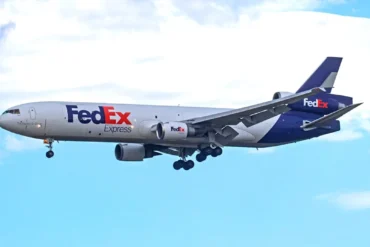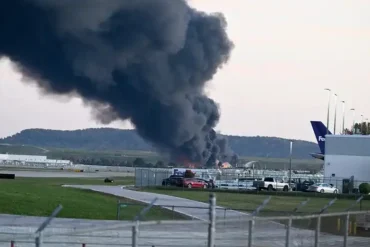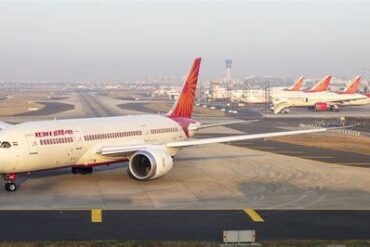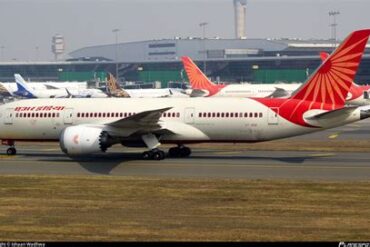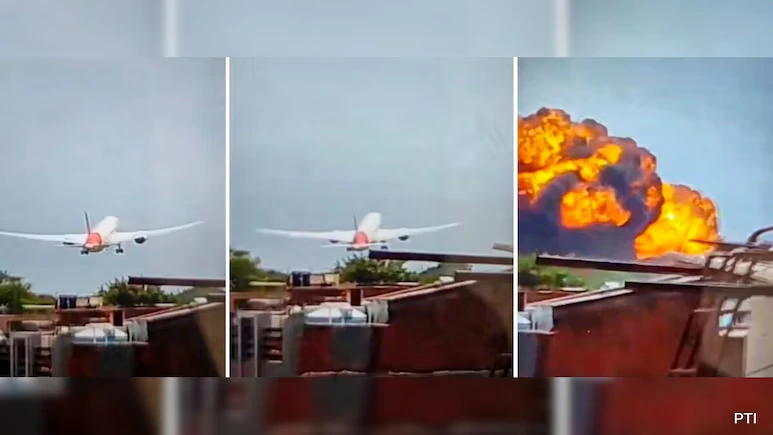
On June 12, 2025, a catastrophic accident involving Air India Flight AI171, a Boeing 787-8 Dreamliner, jolted the global aviation industry. The aircraft, en route from Ahmedabad to London Gatwick, crashed into a residential area mere moments after takeoff, killing all 242 people on board. Just over a year earlier, Alaska Airlines Flight 1282, operating a Boeing 737 MAX 9, had narrowly avoided disaster when a fuselage panel detached mid-air. These back-to-back incidents have escalated scrutiny of Boeing’s safety culture, manufacturing protocols, and regulatory oversight.
Air India Flight AI171: A Fatal Descent in Seconds
The crash of Air India Flight AI171 represents the first fatal accident involving a Boeing 787-8 Dreamliner, a model previously considered among the most advanced and reliable in commercial aviation. Preliminary data from the Aircraft Accident Investigation Bureau (AAIB) of India reveals a deeply troubling narrative. The aircraft reportedly used almost the entire length of the runway before lifting off, then issued a chilling mayday call citing “no thrust” and “losing power” just seconds into the ascent.
Eyewitnesses described the plane barely clearing the airport perimeter fence, with its engines making irregular sounds before nose-diving into a densely populated neighborhood. Investigators are focusing on whether the engines, supplied by Rolls-Royce, suffered simultaneous failure or whether an aircraft configuration error or sensor malfunction contributed to the loss of lift and eventual crash.
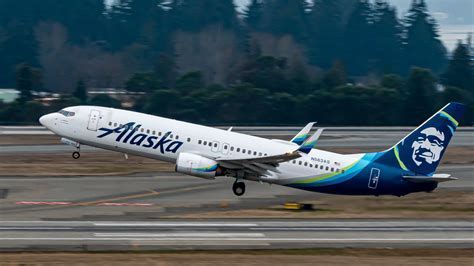
Alaska Airlines 737 MAX 9: A Terrifying Near Miss
In contrast to the fatal outcome in Ahmedabad, the Alaska Airlines Flight 1282 incident had a dramatically different result, albeit equally alarming. In early 2024, a plug door panel on a Boeing 737 MAX 9 detached mid-flight at cruising altitude, causing a violent decompression event. Passengers reported being exposed to open air, and objects were sucked out of the cabin. Miraculously, the aircraft made an emergency landing at Portland International Airport with no fatalities.
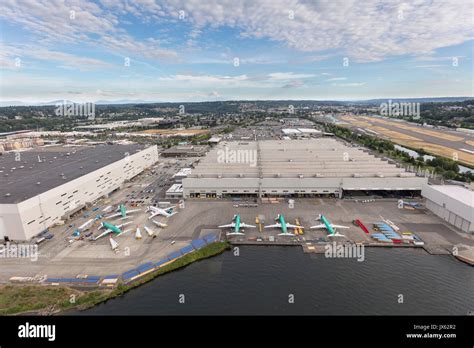
The U.S. Federal Aviation Administration (FAA) promptly grounded 171 aircraft from the MAX 9 fleet after inspections revealed that critical bolts were missing from several door plug installations. Investigations traced the problem back to a manufacturing oversight at Boeing’s production facility, igniting fresh concerns about quality assurance practices.
Boeing’s Credibility at Stake
Boeing’s public response to both events followed the familiar corporate script: expressions of condolences, pledges of cooperation with investigators, and reassurances about safety protocols. Yet behind the press releases, the credibility of Boeing as a safe aircraft manufacturer is under siege. The 737 MAX line already bore the stigma of two fatal crashes in 2018 and 2019 that killed 346 people and led to a 20-month global grounding.
Industry analysts now argue that Boeing’s problems are not isolated mechanical defects but rather indicative of systemic failures in corporate governance, engineering oversight, and regulatory compliance. Multiple whistleblowers have previously reported pressure to cut corners, including rushed production schedules and inadequate quality inspections.
FAA Tightens Oversight
The FAA has responded with a series of escalatory measures. Following the Alaska Airlines incident, the agency introduced unannounced inspections at Boeing assembly lines, increased the frequency of audits, and imposed tighter certification requirements on newly built aircraft. FAA Administrator Michael Whitaker has warned that the agency will consider further action, including penalties and sanctions, if Boeing fails to demonstrate measurable improvements in safety.
FAA investigations also revealed a disturbing pattern: not only were door plugs missing bolts, but records failed to show any documentation of who performed or verified the installations. This level of procedural laxity has prompted calls for independent safety oversight mechanisms outside of FAA and manufacturer influence.
Comparing Airbus and Boeing: Safety in Numbers
Boeing’s European rival Airbus has also experienced its share of incidents, but its record appears marginally more favorable. The Airbus A320 family—the direct competitor to the Boeing 737 series—has had 180 major accidents, including 38 hull losses, over its lifetime. While these numbers are not insignificant, Airbus has not had a comparable design-level crisis like the MCAS failure that led to the 737 MAX disasters.
In 2024, according to the International Air Transport Association (IATA), there were seven fatal accidents across 40.6 million flights, yielding a fatal accident rate of 1.13 per million flights. This is slightly above the five-year average of 1.09, but still confirms that air travel remains extraordinarily safe in a statistical sense.
Nonetheless, safety is not just a numbers game. It is also about transparency, reliability, and proactive risk management. In this regard, Boeing’s recent string of mishaps raises valid concerns about whether these principles are being rigorously upheld.
Human Lives and Corporate Culture
Beyond technical specifications and safety audits lies the human cost. The 242 people aboard Air India Flight AI171 were not just statistics; they were families, professionals, and children. As investigators sift through wreckage and black box data, their stories form the real tragedy behind the technical reports.
Internal Boeing communications unearthed during the 737 MAX legal proceedings painted a troubling picture of disdain for regulators, disregard for safety protocols, and profit-driven decision making. Emails from Boeing engineers mocked FAA officials, and one employee chillingly wrote, “This airplane is designed by clowns who are supervised by monkeys.”
This corporate culture has drawn the ire of not just regulators but also airline customers, pilots’ unions, and global passengers. Airlines like Emirates and Qatar Airways have publicly questioned Boeing’s dependability, while some carriers have even delayed orders or shifted to Airbus alternatives.
Legal and Financial Fallout
The legal repercussions for Boeing are mounting. Families of the deceased in both MAX and now possibly the 787 crash are seeking compensation, and class-action lawsuits alleging gross negligence are underway. Boeing has already paid over $2.5 billion in fines, victim compensation, and airline reimbursements following the MAX incidents. With the Air India crash now in the spotlight, similar multi-billion-dollar liabilities may follow.
Financial markets have reacted predictably. Boeing shares dipped nearly 8% in the two days following the AI171 crash, wiping out billions in market capitalization. Meanwhile, Airbus stock rose modestly, reflecting a shift in investor confidence.
A Moment of Reckoning for Global Aviation
The recent tragedies involving Boeing aircraft signal a watershed moment for the global aviation sector. For decades, Boeing has stood as a symbol of American aerospace ingenuity, trusted by millions across the world. But trust, once fractured, is hard to regain.
Restoring confidence will require more than PR campaigns and regulatory pledges. Boeing must initiate a deep internal review of its engineering standards, safety culture, and corporate priorities. Only then can it begin the slow process of regaining the faith of airlines, pilots, regulators, and the flying public.
Conclusion: Learning from Tragedy
The aviation industry is built on the relentless pursuit of safety through learning from failures. While the losses suffered in Ahmedabad and the narrowly averted disaster over Oregon are profound, they offer critical lessons. The industry must seize this moment to tighten standards, enforce accountability, and demand transparency from manufacturers like Boeing.
Passengers boarding a flight should never have to wonder whether their aircraft left the factory with missing bolts or undiagnosed system failures. In 2025, the world expects—and deserves—better.