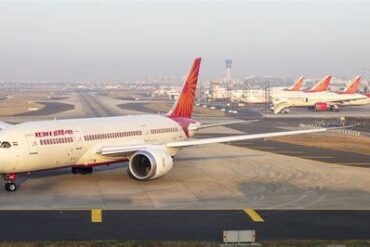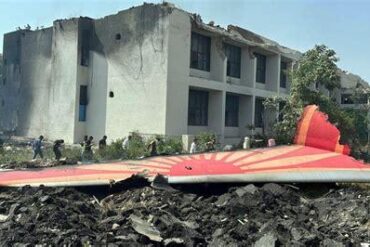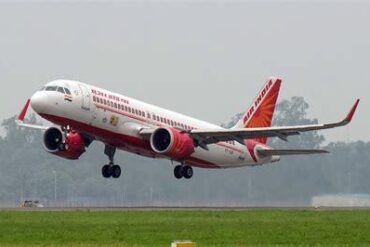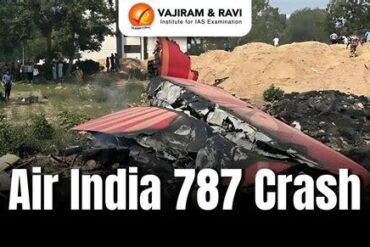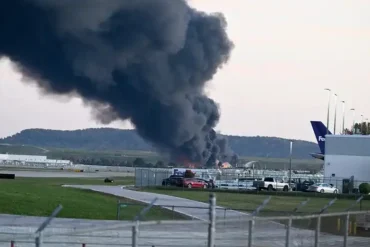
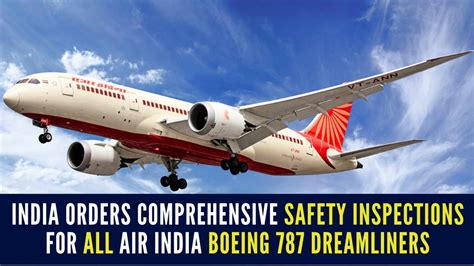
The fatal crash of a Boeing 787 Dreamliner operated by an Indian carrier has ignited urgent and sweeping safety actions in India and Japan, two of Asia’s most significant aviation markets. With 241 lives lost and widespread concern mounting, both governments have launched comprehensive inspections of all 787 aircraft under their jurisdiction. This decisive response underscores a rising demand for rigorous aviation oversight, especially concerning high-capacity, long-haul aircraft like the Dreamliner.
Coordinated Oversight: A Binational Commitment to Safety
In a rare show of immediate bilateral alignment, India’s Directorate General of Civil Aviation (DGCA) and Japan’s Ministry of Land, Infrastructure, Transport and Tourism (MLIT) ordered fleet-wide checks across all Boeing 787 aircraft within 24 hours of the June 12 tragedy. The directives are more than administrative moves—they reflect a high-stakes effort to reaffirm trust in a jetliner that forms the backbone of long-haul fleets in both nations.
The DGCA’s safety mandate targets India’s primary Dreamliner operator, Air India, while Japan’s action extends to All Nippon Airways (ANA), Japan Airlines, ZipAir, and AirJapan. These checks are being executed under strict deadlines, covering aircraft airframes, engine systems, flight control surfaces, and landing gear assemblies.
Fleet Composition and Strategic Relevance
Together, India and Japan operate a combined total of 176 Boeing 787 Dreamliners, comprising:
- India: 34 aircraft (27 of 787-8, 7 of 787-9) mostly operated by Air India.
- Japan: 142 aircraft split among four carriers, including ANA with 86 jets, Japan Airlines with 45, ZipAir with 8, and AirJapan with 3.
This makes Japan one of the largest Boeing 787 operators in the world. Given their centrality to transcontinental and transpacific routes, the implications of any technical fault in these aircraft are considerable. The current reviews not only address mechanical integrity but serve as a litmus test for international aviation safety culture.
Details Emerge From Devastating Crash
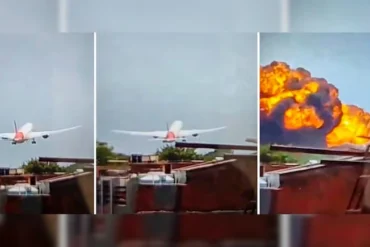
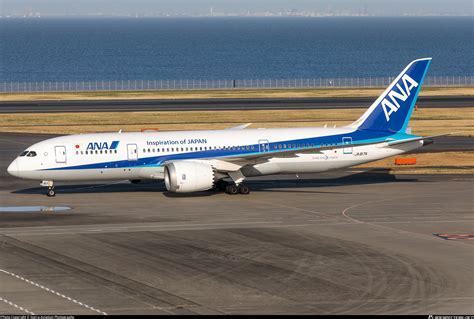
The accident occurred less than a minute after takeoff from an international airport in India, with the 787-8 bound for London. Crashing into a residential district shortly after losing lift, the plane resulted in complete cabin loss, numerous ground casualties, and the tragic death of nearly every passenger. Miraculously, a single survivor was pulled from the wreckage—an outcome that only added to the crash’s emotional and symbolic weight.
Initial reports suggest multiple malfunctions may have contributed:
- Engine thrust irregularities during takeoff.
- Incorrect flap settings possibly leading to aerodynamic instability.
- A failure to retract landing gear, compromising climb performance.
One black box—the flight data recorder—was recovered within 28 hours, capturing performance metrics such as altitude, engine power, airspeed, and more. Efforts continue to recover the cockpit voice recorder, whose analysis could shed light on procedural errors or crew communications leading up to the crash.
U.S. Response: No Grounding, Yet Cautious Observation
In contrast to the rapid Asian regulatory response, U.S. aviation authorities have refrained from grounding Boeing 787 aircraft. After reviewing preliminary data, the Federal Aviation Administration (FAA) concluded there was insufficient cause to halt operations. However, they signaled that they are actively monitoring updates and reserve the right to reassess based on new information.
This split in approach illustrates differing regional standards of aviation oversight and public risk tolerance. While the U.S. has opted for data-driven observation, India and Japan are leaning into preemptive caution, prioritizing human safety over immediate commercial disruption.
Spotlight on the Dreamliner: A History of Mixed Legacy
The Boeing 787 Dreamliner, hailed for its fuel-efficient composite fuselage, has revolutionized long-haul travel since entering service in 2011. However, it has not been immune to technical scrutiny:
- Battery fires early in its deployment led to a worldwide grounding in 2013.
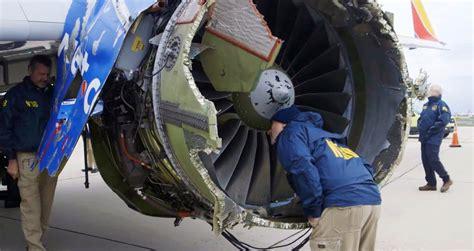
- Engine reliability issues, particularly with Rolls-Royce Trent 1000 models, forced multiple aircraft to undergo shop visits and grounding in subsequent years.
- Reports of manufacturing flaws in fuselage joints and horizontal stabilizers emerged as recently as 2020.
Despite these issues, the Dreamliner has maintained a statistically solid safety record. The current crash is its most severe to date, and likely to trigger a revaluation of maintenance protocols, training standards, and possibly certification pathways for new operators.
Regulatory Strategy: What India and Japan Are Doing Differently
India’s DGCA has taken the lead in establishing inspection frameworks that prioritize not only mechanical reliability but also operator readiness. For instance, it has mandated that:
- All Dreamliners undergo visual and ultrasonic testing on hydraulic actuators.
- Software updates be verified on auto-throttle and flap control units.
- A dual sign-off system be implemented for pre-flight checklists involving takeoff configurations.
Meanwhile, Japan’s MLIT is working directly with domestic OEM support teams to verify whether systemic design flaws could have contributed to the crash. Key areas of interest include flight control logic, engine synchronization timing, and pilot override failure scenarios.
Such deep-dive investigations reveal the technocratic rigor being applied, underscoring a transformation in how regulators assess the intersection of software automation and pilot discretion in modern aircraft.
Industry Fallout and Global Ripple Effects
Although no global directive has yet been issued to halt Dreamliner operations, ripple effects are already visible:
- Airlines in South Korea, Singapore, and UAE have begun internal safety audits of their 787s.
- Boeing stock saw a moderate decline following the news, reflecting market anxiety about future orders and reputation damage.
- Several international regulators, including EASA (European Union Aviation Safety Agency), are said to be in consultation with Indian and Japanese authorities.
With rising international passenger volumes post-pandemic, any hint of aircraft unreliability could hurt the fragile recovery of global aviation networks. Airlines, already battling crew shortages and fuel volatility, now face the added pressure of technological reassurance.
Boeing’s Role in the Crisis
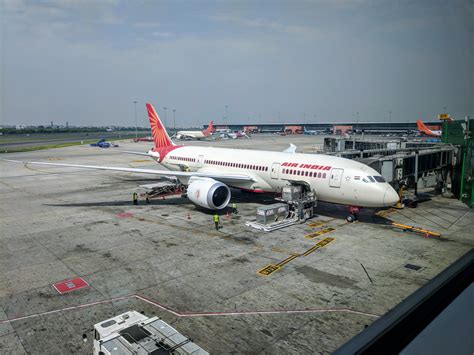
Boeing, for its part, has expressed condolences and pledged full cooperation with both Indian and Japanese agencies. It has dispatched technical teams to work with airline maintenance crews, shared proprietary diagnostic tools, and enabled remote access to operational logs of affected fleets.
Yet, critics argue that the manufacturer must do more to reinforce customer trust. With its troubled history involving the 737 MAX crashes, the company is now under renewed scrutiny regarding quality assurance, supply chain discipline, and long-term airframe support.
Safety First: A Reshaped Future for Asian Aviation
The joint initiative between India and Japan is more than a knee-jerk reaction—it signals a paradigm shift in how nations approach aviation oversight. Rather than relying on OEMs or deferring to FAA determinations, both countries are asserting their regulatory autonomy, reinforcing that passenger safety is not negotiable.
The incident has also prompted a conversation about future aircraft procurement. Airlines may now prioritize models with a stronger operational history, broader parts availability, and fewer software integration risks.
India’s Civil Aviation Ministry is reportedly planning a review of all long-haul aircraft certifications, while Japan’s aviation safety bureau may initiate a wider audit of aircraft pilot training alignment with onboard system complexity.
Looking Ahead: Caution and Clarity
As investigations continue into the June 12 crash, both India and Japan are expected to release interim findings in the coming weeks. These reports will likely influence safety policies not only regionally but globally. Until then, the mood within the industry remains one of measured vigilance, with operational readiness firmly tied to public trust.
This joint crisis response serves as a reminder that aviation safety is an evolving mandate, one that must consistently match the pace of modern aerospace technology and global travel demands.