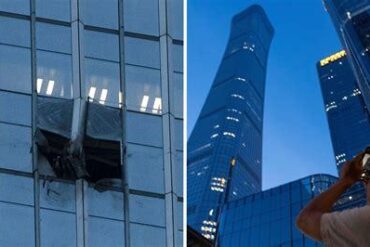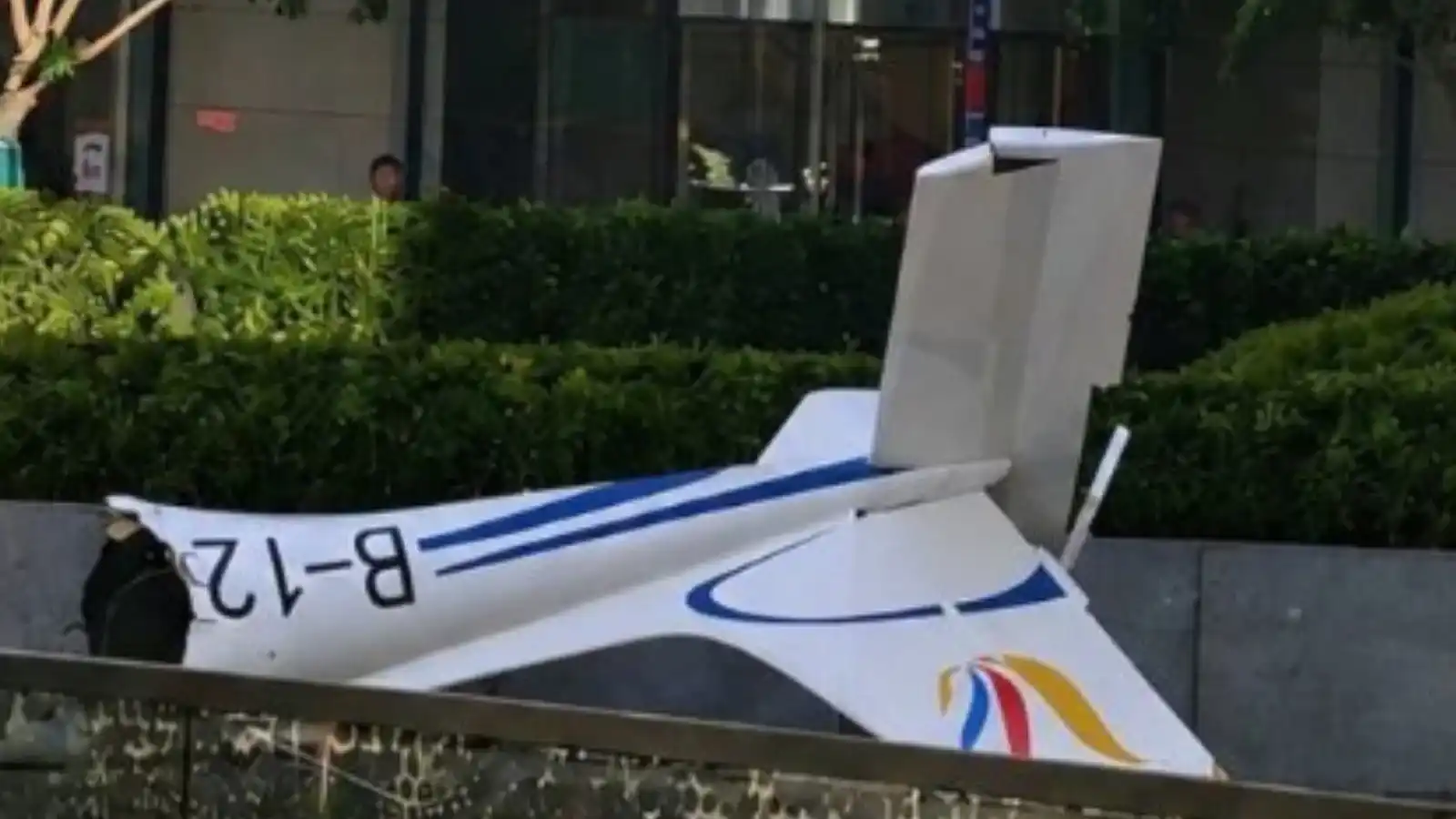
China has reportedly ordered an indefinite nationwide suspension of most general aviation (GA) operations following a fatal light aircraft crash into Beijing’s tallest skyscraper, marking one of the most significant crackdowns on recreational aviation in the country’s modern history. The move comes just days after a domestically built sport aircraft slammed into the upper floors of the 528-meter CITIC Tower, also known as China Zun, killing the pilot and injuring 13 people on the ground. Although Chinese authorities have yet to publicly announce the restrictions, multiple aviation operators across the country say they have received directives requiring them to immediately halt a broad range of non-commercial flying activities.
The reported suspension has sent shockwaves through China’s emerging general aviation industry. For years, Beijing has promoted the expansion of its so-called “low-altitude economy,” encouraging investment in private flying, pilot training, drones, electric aircraft, and future air mobility technologies. The sudden grounding of recreational aviation therefore represents a dramatic reversal that raises fresh questions about aviation safety, airspace security, and whether China’s long-term ambitions for private aviation could face a prolonged setback.
The incident has attracted global attention not only because of its tragic outcome but also because it occurred in one of the world’s most tightly controlled airspaces. Beijing maintains extensive military oversight of civilian aviation, making unauthorized or unexpected aircraft movements near the capital exceptionally rare. The fact that a light sport aircraft was able to reach the city’s central business district before crashing into one of its most recognizable landmarks has intensified scrutiny over existing safeguards.

China Reportedly Grounds Recreational Aviation Across the Country
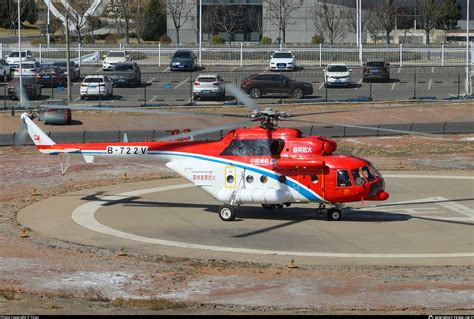
According to reports from multiple operators, the nationwide restrictions affect private fixed-wing aircraft, recreational aviation, flight schools, aerial sightseeing operators, gliding clubs, skydiving organizations, and paragliding activities. Emergency services and selected government-approved operations are reportedly exempt, but ordinary recreational flying has effectively come to a standstill across much of China.
Operators from several provinces have stated that they received direct instructions ordering immediate suspension of flying activities, despite the absence of a formal public announcement from aviation regulators. The lack of an official timetable has added uncertainty for flying clubs, instructors, aircraft owners, and businesses whose operations depend entirely on general aviation.
Unlike temporary weather-related closures or localized safety inspections, the reported measures appear to extend nationwide, suggesting authorities are treating the Beijing accident as a matter of national aviation security rather than an isolated operational failure.
Fatal China Zun Crash Triggered Immediate Security Response
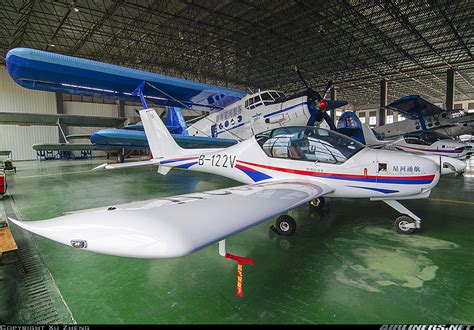
The restrictions followed the June 26 accident involving an Aurora SA60L light sport aircraft, a domestically manufactured two-seat airplane. After departing Shifosi Airport northeast of Beijing, the aircraft unexpectedly entered central Beijing before colliding with the upper floors of CITIC Tower (China Zun) during the evening rush hour.
The pilot, who was the aircraft’s only occupant, died in the crash. Falling debris and shattered glass injured 13 people inside and around the skyscraper, although no fatalities were reported among those on the ground.
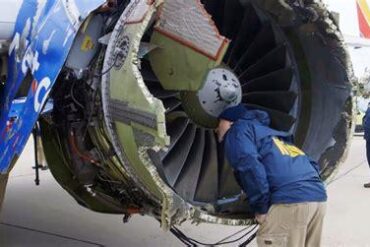
Investigators have not yet publicly determined what caused the aircraft to deviate from its intended route. Authorities continue examining possible mechanical failures, pilot actions, navigation issues, and compliance with flight authorization procedures before releasing their final findings.
Beijing’s Highly Restricted Airspace Faces New Questions
The accident has generated exceptional concern because Beijing possesses one of the world’s most heavily regulated airspace systems. Large portions of Chinese airspace remain under military administration, while permanent no-fly zones protect politically sensitive locations surrounding Tiananmen Square and Zhongnanhai.
CITIC Tower stands close to this highly protected region, making civilian aircraft sightings above the city’s financial district extremely uncommon. Aviation analysts note that the appearance of a light aircraft over central Beijing exposed vulnerabilities within a system widely regarded as exceptionally restrictive.
Reports also indicate that authorities rapidly expanded safety inspections beyond Beijing itself. Flight schools reportedly suspended training while officials reviewed operating procedures, maintenance records, pilot qualifications, and flight authorization processes. Rather than limiting oversight to the capital, regulators appear to have chosen a comprehensive nationwide response designed to prevent any similar incident before investigations conclude.
Major Blow to China’s Expanding Low-Altitude Economy
The reported suspension arrives at a particularly sensitive moment for China’s aviation ambitions. In recent years, policymakers have invested heavily in developing the country’s low-altitude economy, an initiative encompassing general aviation, logistics drones, electric vertical takeoff and landing aircraft (eVTOLs), agricultural aviation, emergency response aircraft, and future urban air mobility services.
Although commercial airline operations continue normally, the grounding of recreational aviation threatens significant disruption for pilot training organizations, aircraft maintenance companies, aviation tourism businesses, and flying clubs that have benefited from government efforts to expand private aviation.
Flight-tracking data reportedly showed a sharp decline in non-commercial aircraft movements almost immediately after the accident, indicating operators moved quickly to comply with the reported directives. That rapid reduction illustrates both the effectiveness of China’s centralized aviation oversight and the significant economic consequences facing smaller aviation businesses during the suspension.
What Happens Next for China’s General Aviation Sector?
For now, the duration of the reported restrictions remains unknown. Chinese authorities have not publicly confirmed when recreational flying may resume, nor have investigators announced the cause of the Beijing crash. Until those findings become available, operators throughout the country’s general aviation community face continued uncertainty.
The situation bears some resemblance to the temporary grounding of U.S. general aviation following the September 11 attacks, when authorities gradually reopened airspace under substantially tighter security procedures. Whether China ultimately adopts a similar phased reopening or introduces entirely new operational requirements will likely depend on the conclusions reached by investigators.
What is already clear is that the Beijing skyscraper collision has become a defining moment for China’s general aviation sector. The reported nationwide suspension demonstrates how a single high-profile accident can rapidly reshape aviation policy, particularly in a country where national security, airspace management, and aviation development remain closely intertwined. Until regulators determine exactly what happened aboard the Aurora SA60L, commercial airlines will continue operating as usual, while much of China’s recreational aviation community remains firmly grounded.