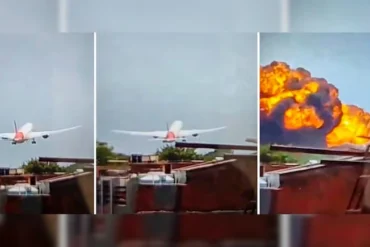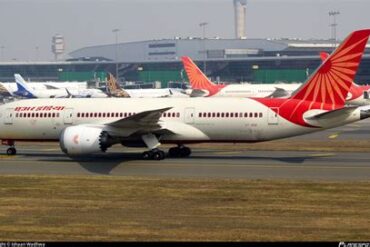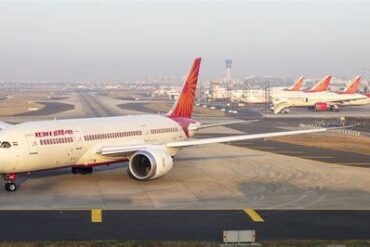
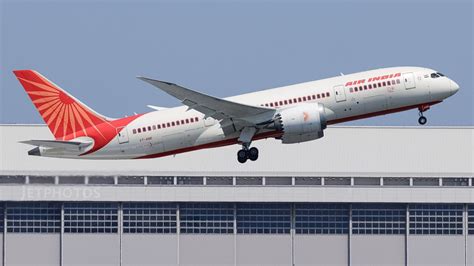
The aviation world has once again been jolted by tragedy as Air India Flight 171 crashed during takeoff from Ahmedabad’s Sardar Vallabhbhai Patel International Airport, killing 241 people aboard and at least 38 on the ground. The aircraft involved, a Boeing 787 Dreamliner, had long been marketed as one of the most advanced and fuel-efficient wide-body jets in commercial aviation. However, this recent catastrophe has forced a sharp re-evaluation of the 787’s safety profile, especially as early reports indicate a catastrophic failure of both GEnx engines—a scenario aviation engineers classify as “nearly impossible.”
The immediate fallout has been intense and multi-layered. Not only has the Federal Aviation Administration (FAA) launched an extensive investigation, but international regulators and major airlines that rely heavily on the Dreamliner are now preparing for the possibility of a fleet-wide grounding—a decision that would echo the crisis Boeing endured with the 737 MAX in the late 2010s.
FAA Scrutiny and Rising Political Stakes
At a press conference held in Washington, Transportation Secretary Sean Duffy addressed swirling speculation about grounding the entire 787 fleet. “It would be way too premature to make such a determination,” he stated. Still, the undertone of caution was evident. The FAA has not ruled out the possibility of a temporary grounding, especially if engine data or airframe telemetry confirm a double engine flameout.
Fueling the urgency are widely circulated videos and photographs of the Dreamliner’s final moments, showing what appeared to be a controlled descent into the campus canteen of Ahmedabad’s medical college, rather than a typical crash trajectory. According to the BBC, multiple aviation analysts suspect a failure so unusual that existing emergency protocols may not have been sufficient.
While Duffy chastised those offering “armchair analysis,” the FAA has privately convened meetings with General Electric, the manufacturer of the GEnx engines, and Boeing’s own internal investigative unit. If evidence of a systemic design flaw is found, the 787 fleet could be swiftly grounded—crippling international air travel in ways not seen since the pandemic-induced collapses of 2020.
American Airlines and United Airlines: Facing Severe Operational Risks
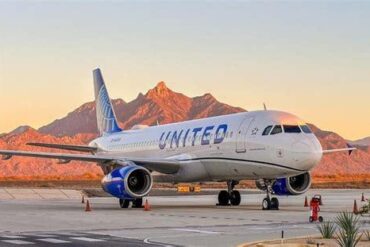
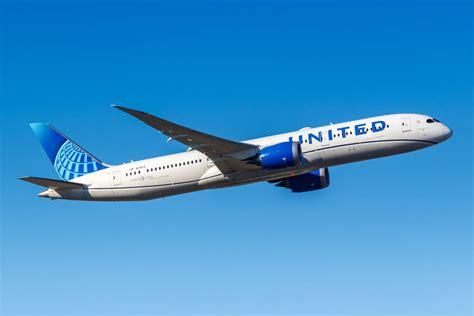
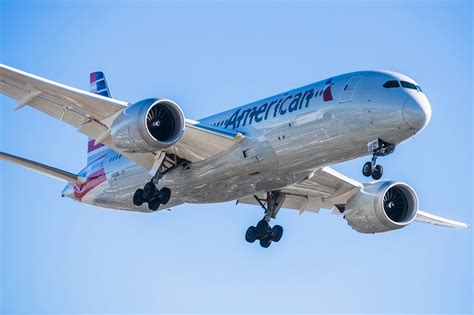
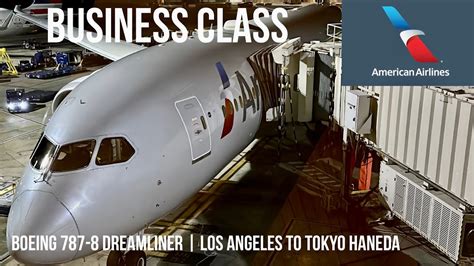
Among the global carriers most at risk from a potential 787 grounding are American Airlines (AA) and United Airlines (UA). Combined, these two giants operate 141 Boeing 787s, forming the backbone of their long-haul international operations. From routes between the U.S. and Asia to crucial transatlantic links, the 787 Dreamliner allows these airlines to offer fuel-efficient, high-capacity services that are often vital to their quarterly earnings.
American Airlines, in particular, has invested heavily in its 787 operations post-COVID, relying on the aircraft for premium business routes such as Dallas–Tokyo, Miami–Buenos Aires, and New York–London. Should these jets be pulled from service, the carrier could be forced to cut dozens of international flights per day, severely impacting revenue and customer trust.
United Airlines is in a similar predicament, having expanded its Dreamliner network to emerging Asian markets, including Vietnam, Malaysia, and India—the very country now at the center of the investigation.
Even maintenance and engineering crews are on edge. According to insiders, many U.S. airline maintenance departments have begun precautionary checks of the GEnx engine assemblies, fearing that wear indicators or software errors might be more prevalent than previously assumed.
Asia-Pacific Airlines Monitor Fallout with Caution
Though Japan’s All Nippon Airways (ANA) operates the largest Boeing 787 fleet in the world, its aircraft primarily use Rolls-Royce Trent 1000 engines, not the General Electric GEnx variants involved in the Air India crash. Still, Japanese regulators have been quick to collaborate with the FAA and EASA to monitor the situation closely.
ANA, along with other 787-heavy carriers like Qatar Airways, Etihad, and LATAM, are reviewing flight data and stepping up predictive maintenance protocols. Though these carriers are not immediately affected by the engine-specific risk, a potential grounding or even an erosion in passenger confidence could disrupt operations across Asia and the Middle East.
Singapore Airlines, which has a modest Dreamliner presence, has reportedly placed contingency orders for Airbus A350s as a backup should the Dreamliner program suffer reputational damage or operational restrictions. This underscores the precarious balance carriers must maintain—especially those that invested heavily in Boeing’s post-737 MAX narrative of safety and reliability.
Echoes of the 737 MAX Crisis: A Dark Shadow for Boeing
This latest crisis comes as Boeing is still attempting to recover from the devastating 737 MAX crashes of 2018 and 2019, which resulted in a 20-month global grounding and cost the manufacturer more than $80 billion in combined losses. Legal settlements, regulatory fines, contract penalties, and cancelled orders left deep scars on the company’s financials and global reputation.
The parallels between the MAX and 787 crises are difficult to ignore. In both cases, the FAA faces immense pressure to act swiftly, while Boeing’s internal teams scramble to produce viable explanations that don’t point toward a foundational design failure. Once again, the specter of a design oversight—this time potentially involving dual-engine fail-safes or avionics miscommunication—is under the spotlight.
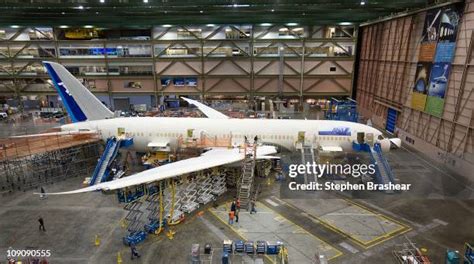
Industry insiders fear a prolonged investigation could usher in a wave of lawsuits, not just from victim families but also from airline customers whose operations and revenues will be decimated if they are forced to ground their Dreamliners.
Geopolitical Ramifications: Boeing’s Deal with Qatar Airways at Risk
Complicating matters further is the massive $96 billion contract between Boeing and Qatar Airways, announced just weeks before the crash. The deal, brokered with the support of the Trump administration, includes orders for 130 Boeing 787s—the largest Dreamliner purchase in history.
With the political stakes sky-high, any FAA move to ground the aircraft would risk diplomatic friction and could derail Boeing’s recovery roadmap, which hinges on both existing fleet support and future sales.
President Trump has repeatedly touted the deal as a symbol of U.S. manufacturing dominance, and White House insiders reportedly fear that a grounding could embolden Airbus in strategic Gulf markets, shifting the balance of aerospace power.
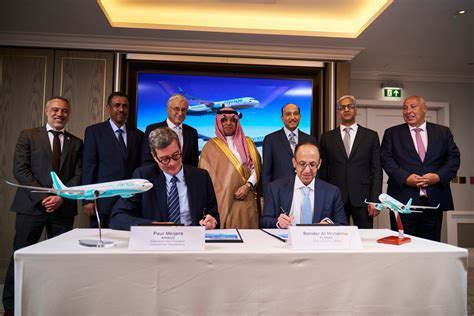
Additionally, Qatar Airways CEO Akbar Al Baker, known for his aggressive procurement strategies and zero-tolerance stance on aircraft faults, has remained silent on the matter—a silence that analysts interpret as deeply ominous.
Market Reactions and Industry Response
Following the news of the crash and the subsequent speculation, Boeing stock plunged 8.4% in a single day. The New York Stock Exchange reported a sharp spike in short-selling activity, with investors betting on further turmoil in Boeing’s share price.
Meanwhile, General Electric, the manufacturer of the GEnx engines implicated in the crash, has initiated a joint investigative panel with the FAA and NTSB. Though the company insists the GEnx has an “exemplary safety record,” it acknowledged that certain high-altitude failure modes are still under examination.
Airlines have already begun negotiating for temporary aircraft leases, with leasing companies reporting a sudden uptick in demand for A350s, 777-300ERs, and even older 747-400s to fill long-haul gaps.
Passenger Confidence and the Future of the Dreamliner
Perhaps most crucially, passenger sentiment toward the Dreamliner is beginning to erode. Social media platforms are flooded with users asking if their upcoming flights are on a 787—and whether they should switch aircraft.
Travel agents report an increase in requests to avoid Boeing aircraft, while frequent flyer forums like FlyerTalk and Airliners.net have featured surging activity and concern.
The real test for Boeing may not be whether the 787 is technically airworthy, but whether the perception of safety can be restored before irreversible brand damage takes hold.
Conclusion: A Turbulent Road Ahead
The crash of Air India Flight 171 has triggered a chain reaction that goes far beyond a single tragedy. It has exposed critical vulnerabilities in Boeing’s most trusted wide-body aircraft, shaken global airline operations, and put regulators in a political vise.
Whether or not the Dreamliner fleet is grounded in the coming weeks, the ripple effects are already visible: cancelled routes, investor anxiety, diplomatic discomfort, and an aviation sector bracing for yet another prolonged reckoning.
As the FAA continues its probe and Boeing races to contain the damage, the future of the 787 Dreamliner—and the global network it supports—hangs in fragile balance.