The wrongful death lawsuit now facing JetBlue Airways reads less like an aviation mishap and more like a slow-motion medical abandonment, according to the family of John Allen Fletcher, a passenger who allegedly suffered a catastrophic stroke moments after landing and was denied timely emergency care. Filed by Fletcher’s estate, the suit accuses JetBlue and its ground services contractor ABM Aviation of ignoring unmistakable stroke symptoms, delaying emergency response, and treating a gravely ill man as a logistical inconvenience rather than a human life in crisis.
The case centers on Flight 321 from Boston to Palm Beach International Airport (PBI) on April 22, 2025. Fletcher, described as being in good health prior to travel, was seated in seat 2F, part of JetBlue’s premium “Even More” section—placing him in clear view of cabin crew throughout the flight and during deplaning. What unfolded after touchdown, the lawsuit alleges, represents a cascading series of failures at both the airline and airport levels, culminating in Fletcher’s death nearly two weeks later.
The estate argues that had basic stroke recognition protocols been followed, the outcome could have been dramatically different. Instead, more than an hour allegedly passed before medical professionals were summoned—an eternity in stroke care, where minutes often determine survival and long-term neurological damage.
Alleged Medical Emergency Ignored During Deplaning
According to the court filing, Fletcher stood up after landing and immediately suffered a major stroke, losing motor control and exhibiting garbled speech—one of the most widely recognized indicators of acute cerebrovascular distress. Nearby passengers reportedly noticed his condition almost instantly. One passenger asked Fletcher if he was “okay,” to which he reportedly signaled that he was not, prompting that passenger to alert cabin crew.
Despite this warning and Fletcher’s visible inability to move or speak coherently, the lawsuit claims no emergency response was initiated. Instead, cabin crew allegedly allowed all other passengers to deplane first while Fletcher remained sprawled across the seats in full view, physically incapable of exiting the aircraft on his own.
This moment forms the emotional and legal core of the lawsuit. The estate asserts that Fletcher’s symptoms were not subtle, ambiguous, or easily misinterpreted. They were textbook signs of a stroke occurring in real time, in a confined environment where trained crew were present and obligated to act.
Non-Emergency Wheelchair and the Baggage Area Allegation
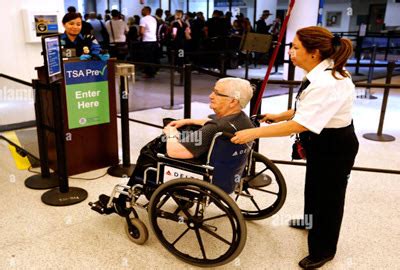
Rather than requesting emergency medical services, the lawsuit alleges JetBlue contacted ABM Aviation for a non-emergency wheelchair attendant, instructing staff to remove Fletcher from the aircraft. The language used in the filing is stark: Fletcher was allegedly “hauled” off the plane and left in the baggage claim area, unattended, as his condition deteriorated.
The estate claims this decision was not a misunderstanding, but a conscious avoidance of emergency protocols—one that effectively removed Fletcher from public view while denying him access to lifesaving care. Even more troubling, according to the lawsuit, is what happened next.
Family Intervention and Refusal to Call 911
Fletcher’s daughter arrived at Palm Beach International Airport expecting to meet her father. Instead, she allegedly found him slumped over in a wheelchair, visibly incapacitated and in obvious medical distress. When she requested that 911 be called immediately, an ABM employee allegedly refused, stating, “we’re not allowed to do that.”
This claim, if substantiated, carries serious legal weight. The lawsuit argues that refusing to contact emergency services—particularly at the explicit request of a family member witnessing a medical crisis—constitutes gross negligence and a willful disregard for human life.
Only after more than an hour had elapsed since landing did medical personnel reportedly arrive. By then, the lawsuit contends, Fletcher’s stroke had progressed beyond recovery.
Hospitalization, Decline, and Death
Fletcher was eventually transported by ambulance to St. Mary’s Hospital, where he remained hospitalized for 13 days. Despite medical intervention, the damage caused by the delayed response proved irreversible. He died on May 5, 2025, with the lawsuit directly linking his death to the alleged failures by JetBlue and ABM Aviation during the critical post-landing window.
The estate argues that this was not an unforeseeable tragedy, but a preventable one. Stroke medicine is built around urgency. Every delay compounds injury. The lawsuit maintains that the airline and airport staff collectively allowed a treatable emergency to become fatal through inaction.
Legal Duty of Care and Airline Medical Obligations
Commercial airlines operating in the United States are bound by a legal obligation to provide reasonable medical assistance to passengers. While flight attendants are not expected to diagnose medical conditions, they are trained in first aid, CPR, and emergency response protocols, including the use of Automated External Defibrillators (AEDs) and coordination with emergency services.
The Federal Aviation Administration (FAA) mandates such training precisely because medical emergencies are a known risk in air travel. When symptoms are obvious and reported—especially in a high-visibility premium cabin—the expectation is not medical perfection, but reasonable action.
Legal experts note that airlines are generally protected from liability during medical emergencies unless gross negligence or willful misconduct can be demonstrated. The Fletcher lawsuit explicitly alleges both, arguing that the decision to delay care was not accidental but systemic.
Negligence Claims Against JetBlue and ABM Aviation
The estate’s legal filing asserts that JetBlue and ABM Aviation were equally negligent, operating in tandem to avoid emergency intervention. The complaint characterizes Fletcher as being treated like an operational inconvenience rather than a passenger in need of urgent care, suggesting that logistical efficiency was prioritized over human safety.
By requesting non-emergency assistance, allegedly refusing to call 911, and delaying medical response for over an hour, the defendants are accused of violating established standards of care. The lawsuit argues that such conduct goes beyond simple error and into the realm of conscious disregard.
Broader Implications for Airline Passenger Safety
This case arrives amid growing scrutiny of how airlines handle medical emergencies—particularly on the ground, where access to emergency services is readily available. While inflight emergencies are inherently complex, the Fletcher incident allegedly occurred after landing, when emergency responders were minutes away.
If the allegations are upheld, the lawsuit could set an important precedent regarding airline responsibility during post-flight medical crises. It raises uncomfortable questions about training, accountability, and whether cost or convenience ever interferes with emergency decision-making.
For passengers, the case underscores a sobering reality: safety does not end when the wheels touch the runway. The moments immediately after landing can be just as critical—and, as this lawsuit claims, just as dangerous when protocols fail.
The legal process will ultimately determine liability. But for Fletcher’s family, the case is already about something deeper than damages. It is about accountability, dignity, and the devastating cost of inaction when every minute matters.