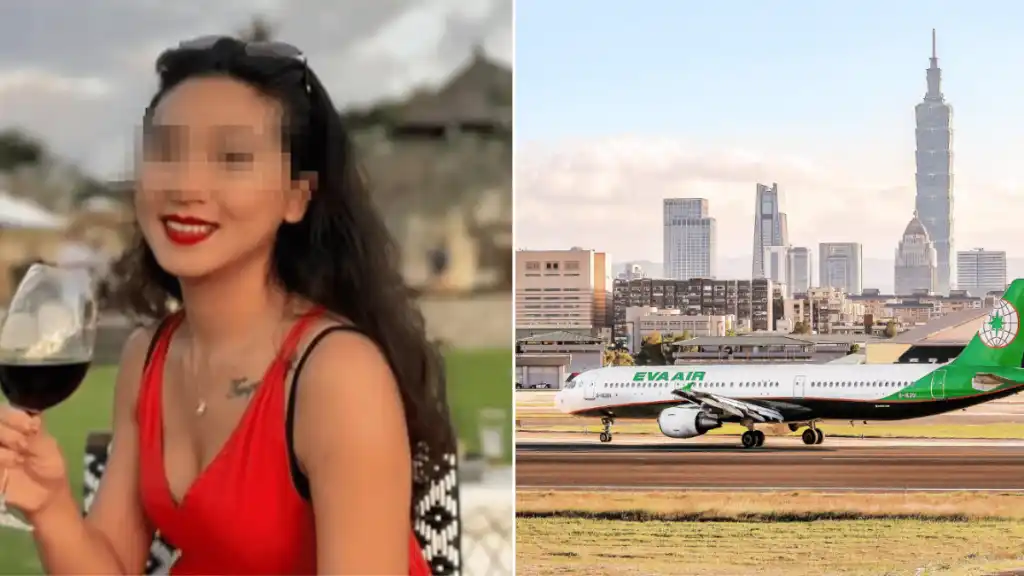
A tragedy in the skies has sparked a furious public backlash and exposed serious concerns about airline labor practices after a young flight attendant for Taiwan-based EVA Air died following an alleged refusal of medical help mid-flight.
The shocking incident occurred on September 25, during EVA Air’s long-haul flight BR-95 from Milan to Taipei, a 13-hour journey that turned into a nightmare for both the ailing crew member and now a grieving industry.
The Tragic Flight: A Preventable Death?
According to multiple local media reports, the unnamed flight attendant had already shown signs of illness during the outbound flight to Milan. However, on the return leg, her condition reportedly deteriorated rapidly. Rather than being allowed to rest or receive medical support, she was allegedly ordered by the cabin manager to continue working, despite visibly worsening health.
More alarmingly, the manager is accused of refusing to contact Medlink, the ground-based professional medical consultation service available to airlines. This decision, according to whistleblowers and union sources, may have directly contributed to the crew member’s demise.
An unverified but widely circulated social media post—believed to be from a colleague on the same flight—claims that even a request for a medical team to meet the aircraft upon arrival in Taipei was denied. The post says the attendant had to make her own way out of the airport, suffering through pain and exhaustion, before eventually being hospitalized. It was too late. She died shortly thereafter.
A Corporate Response That Hasn’t Satisfied the Public
In response to growing outrage, EVA Air released a short statement saying it was “deeply saddened” by the tragic death and had launched an urgent internal investigation. Yet for many, this was not enough.
The Taiwan Ministry of Labor is now investigating EVA Air for potential management negligence. If found responsible, the airline could face substantial penalties and fines. Public anger is being amplified by stories of systemic mistreatment and indifference towards the wellbeing of flight attendants.
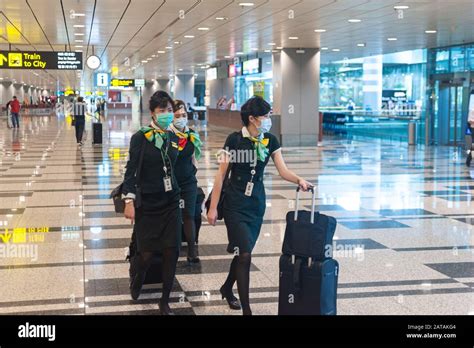
Voices From Within: Union and Crew Speak Out
The Taoyuan Flight Attendant Union, which represents EVA Air crew members, has been quick to condemn what it describes as an environment where flight attendants are pressured to work through illness. In a powerful public statement, the union asserted that EVA Air’s policies essentially punish workers for calling in sick:
“Although EVA Air has stressed that they do not want flight attendants to work while sick, the design of the flight attendant leave system is strict.”
The union explained that taking sick leave can result in:
- Altered work schedules, causing disruption to planned routes or desired destinations
- Negative impacts on performance reviews, which influence bonuses and promotion eligibility
- Loss of income or incentives, further disincentivizing honest reporting of illness
These policies create a toxic loop, where crew members feel compelled to ignore symptoms and work regardless of their condition, leading to risks not only for themselves but for passengers relying on their alertness and fitness during emergencies.
Behind the Smile: Hidden Toll of a Glamorous Profession
The incident has shed light on a broader industry issue—the often unacknowledged health toll suffered by cabin crew. Despite the perception of travel and glamour, the job involves:
- Exposure to jet lag, time zone fatigue, and irregular sleep cycles
- Constant physical exertion in cramped aisles, lifting bags and serving meals
- Dehydration and immune suppression due to prolonged time in pressurized cabins
- Mental stress from managing emergencies, passenger behavior, and interpersonal crew dynamics
It’s an occupational hazard that makes flight attendants especially susceptible to illness, yet the system often lacks empathy and adaptability to this reality. This case may become a turning point in how airlines globally address crew health policies.
Industry-Wide Sick Leave Crisis
Aviation insiders were quick to note that EVA Air is not alone in cultivating such an environment. Globally, sick leave policies in the airline industry have been a source of tension and litigation for years.
From North America to Asia, crew members often report being discouraged from taking time off, even when unwell. Airlines demand that their flight crews be in peak physical and mental condition when on duty, but paradoxically penalize them for taking steps to maintain that condition.
As one senior crew member anonymously stated:
“You’re expected to be flawless and ready for anything in-flight. But if you report you’re sick, suddenly your reliability is questioned.”
This contradiction isn’t just unfair—it’s dangerous. In emergency scenarios, flight attendants are first responders. A sick or fatigued attendant could fail to act effectively, putting lives at risk.
Anonymity, Fear, and Whistleblowing Culture
The post allegedly authored by a fellow EVA Air flight attendant went viral in Taiwan, sparking both public outrage and governmental scrutiny. What made the message particularly potent was its clear implication that this was not an isolated event, but rather a symptom of a broken system:
“This wasn’t some regrettable coincidence,” the anonymous post reads. “It was the result of systemic and long-term indifference to crew members’ health.”
The post has fueled growing calls for whistleblower protections, as many crew members remain afraid of retaliation if they speak out. In some airline cultures, raising concerns publicly—even about safety or health—can lead to disciplinary action, grounding, or job loss.
Governmental Oversight and Public Accountability
Taiwan’s Ministry of Labor has stepped in, launching its own investigation independent of EVA Air’s internal probe. The possibility of criminal or civil charges is now looming over the airline’s senior managers.
This investigation could set a precedent across Asia and beyond. If EVA Air is found negligent, the resulting penalties and public relations fallout may force industry-wide reforms regarding cabin crew welfare.
The Ministry’s inquiry will likely explore:
- Whether EVA Air provided adequate access to medical resources during the flight
- The structure and enforcement of its sick leave and medical response policies
- The conduct and decision-making authority of the cabin manager involved
A Call for Cultural and Policy Change
In the wake of this tragedy, the union has called on EVA Air and other carriers to replace punishment with empathy, and incentivize responsible health disclosures. Suggested reforms include:
- Protecting performance evaluations from being negatively impacted by verified medical leave
- Streamlining access to Medlink and inflight medical consultations
- Mandatory wellness checks before and after long-haul shifts
- Empowering flight attendants to flag health concerns without fear
Until these issues are resolved, the industry remains at risk—not just reputationally, but functionally, as crew morale plummets and retention becomes harder.
Conclusion: A Wake-Up Call That Shouldn’t Be Forgotten
The death of the young flight attendant has not only left a void in the hearts of her colleagues and family but has also triggered a national and international dialogue about airline labor ethics. The public’s response has been swift and unrelenting, with demands for accountability echoing across forums, social media, and government offices.
This tragedy was avoidable. As investigations unfold, the world will be watching whether EVA Air, and the airline industry at large, can confront its flaws and commit to meaningful, long-term change in the treatment of those who keep us safe in the skies.