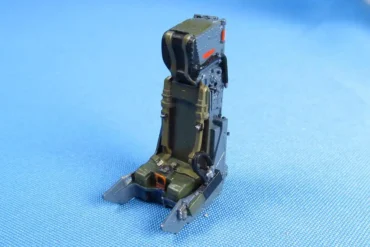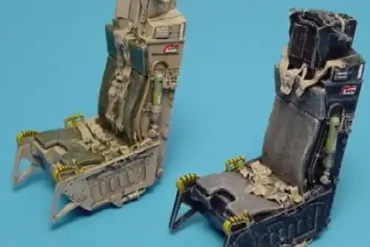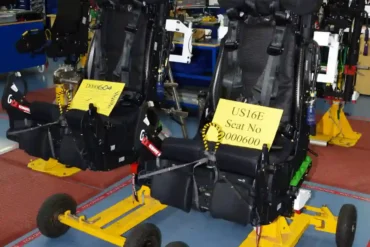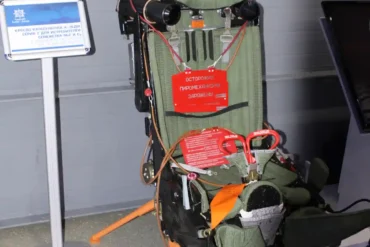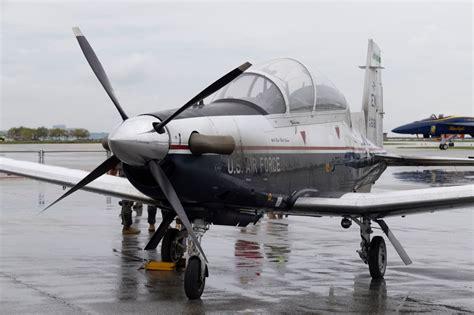
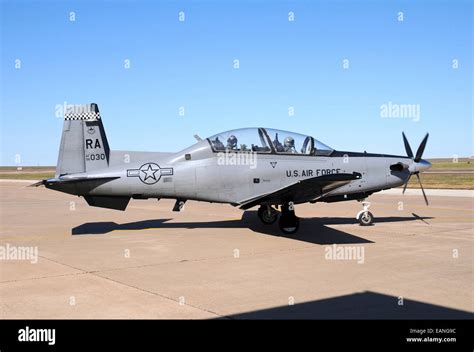
Capt. John Robertson of the 80th Operations Support Squadron has died following a tragic ejection seat malfunction on the ground at Sheppard Air Force Base, Texas, marking a rare and deeply unsettling incident within the United States Air Force’s storied aviation training system. The mishap occurred during what should have been routine ground operations involving the T-6A Texan II, a staple of basic flight instruction for both U.S. and NATO student pilots.
A Fatal Error on the Flight Line
According to a press release from Sheppard Air Force Base, Capt. Robertson was seated inside the aircraft when the ejection seat activated unexpectedly, inflicting catastrophic injuries. He succumbed to those injuries in the early hours of the following morning. The accident occurred with the aircraft stationary, although officials have not confirmed whether it was in motion or idling at the time. A student pilot who was also onboard was uninjured and did not eject.
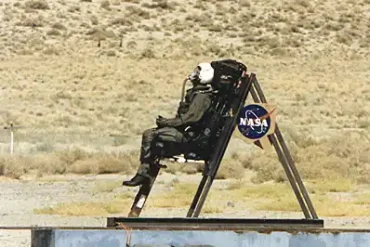
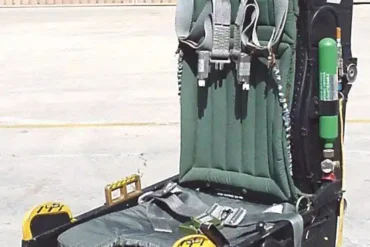
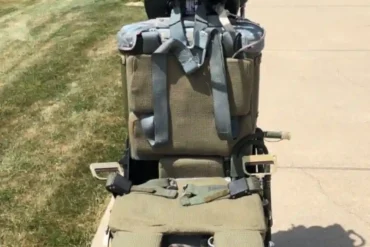
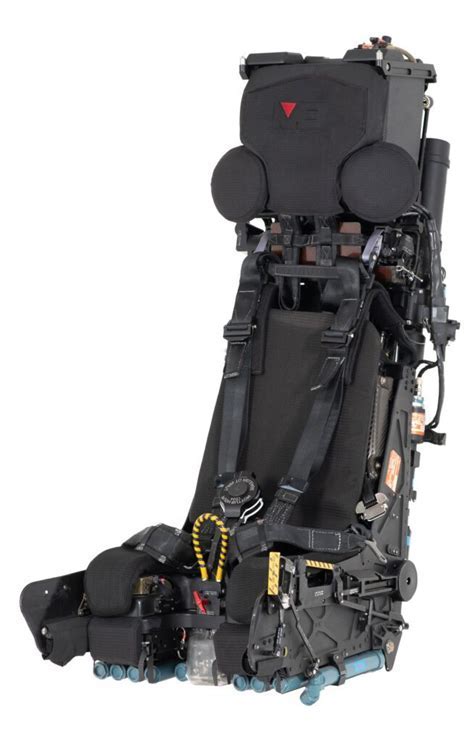
The event is especially troubling given the strict safety protocols surrounding ejection systems. These mechanisms are designed as a last resort in high-risk, airborne emergencies. For an ejection seat to discharge while the aircraft is on the ground and not engaged in takeoff or landing is not only unprecedented in recent T-6 operations, but also raises immediate concerns about systemic safety checks.
The Human Cost and Immediate Response
Col. Mitchell Cok, acting wing commander, issued a statement that encapsulated the gravity of the incident: “This is a devastating loss for Captain Robertson’s family and loved ones, and for the entire 80th Flying Training Wing. Captain Robertson was a highly valued airman and instructor pilot.”
Personnel from M1 Maintenance, base security, fire services, and emergency medical responders acted with commendable speed. Their rapid intervention ensured that Capt. Robertson’s family could be by his side before his passing. This response, while heroic, also underscores the inherent risks of military flight operations—even those conducted on the ground.
Investigative Actions Underway
In accordance with standard Air Force procedure, an interim safety board was immediately convened. A full Air Force Safety Investigation Board (SIB) is being established and is expected to produce a comprehensive report once all contributing factors—technical, procedural, and human—are thoroughly analyzed. This inquiry is of paramount importance, particularly given the questions raised by the incident.
It remains to be seen whether this malfunction is linked to earlier concerns involving Martin-Baker ejection systems. The British manufacturer, which supplies ejection seats for the T-6, F-35, and other high-performance aircraft, previously faced scrutiny in 2022 when defective explosive cartridges were discovered across several airframes. Hundreds of aircraft were grounded at that time to replace these components, although there is currently no official indication that the T-6 involved in this accident was affected.
A Tragic First in Two Decades
The Air Force has not experienced a fatality involving a T-6 Texan II since 2004. Major accidents with the aircraft are rare, and the last incident that resulted in a total loss of a T-6 occurred in 2019. Capt. Robertson’s death represents the ninth aviation-related fatality in fiscal year 2024, and this specific tragedy is a stark reminder that no aspect of flight operations is without risk, even when planes are grounded.
Spotlight on Sheppard and NATO Flight Training
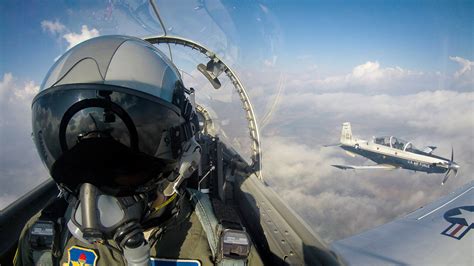
Sheppard Air Force Base is home to the Euro-NATO Joint Jet Pilot Training Program (ENJJPT), one of the world’s premier multinational flight training initiatives. The 80th Flying Training Wing, under which Capt. Robertson served, has for more than four decades trained thousands of NATO fighter pilots. Countries participating include Canada, Denmark, Germany, Greece, Italy, the Netherlands, Norway, Portugal, Romania, Spain, Turkey, and the United Kingdom.
Since its inception in 1981, the ENJJPT program has graduated over 8,000 combat-ready pilots, making it an indispensable element of NATO’s collective defense strategy. As geopolitical tensions rise, particularly in light of Russia’s invasion of Ukraine, the program has assumed even greater strategic importance. Any operational interruptions, such as those that might result from a fleet-wide grounding of the T-6, could have ripple effects across allied air forces.
Unanswered Questions and Potential Consequences
As of this writing, the Air Force has not confirmed whether it will pause operations across its fleet of nearly 450 T-6 aircraft. This decision rests with the Air Education and Training Command (AETC), which oversees all flight instruction and would be responsible for initiating any fleet-wide safety reviews or stand-downs.
George Woodward, a Sheppard spokesperson, noted that the interim investigation board is in direct contact with 19th Air Force and AETC leadership, adding that further decisions are pending. This creates a delicate balancing act between ensuring operational readiness and addressing deeply rooted safety concerns.
The Broader Context: Ejection Seat Safety Under Scrutiny
This incident casts a renewed spotlight on the reliability of ejection seat systems, particularly those produced by Martin-Baker. In the wake of the 2022 discoveries of cartridge defects, the company was thrust into controversy. Although they are a trusted supplier with a long history of saving lives in emergencies, any pattern of malfunction—especially one that leads to an uncommanded ground ejection—demands rigorous scrutiny.
Martin-Baker’s silence in the immediate aftermath of this event is notable. It remains unknown whether the company will issue a statement or cooperate with the Air Force in a formal capacity as part of the SIB process. Their engineering teams will likely be crucial in determining whether this was a one-off failure, a human error, or a more systemic issue involving hardware or software flaws.
A Culture of Vigilance and Remembrance
In the world of military aviation, every life lost is not only a personal tragedy but also a call to refine systems, procedures, and training. Capt. John Robertson was more than a statistic; he was a mentor, a leader, and a guardian of the next generation of NATO aviators. His legacy, while forged in tragedy, should serve as a catalyst for improvement across all levels of the U.S. Air Force flight training enterprise.
As investigations unfold and reforms are considered, one truth remains immutable: the cost of vigilance is far less than the cost of inaction. The Air Force, and all who fly under its banner, owe it to Capt. Robertson and those who follow him to ensure that such an incident never happens again.