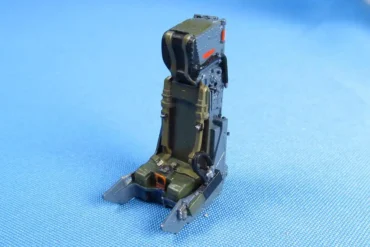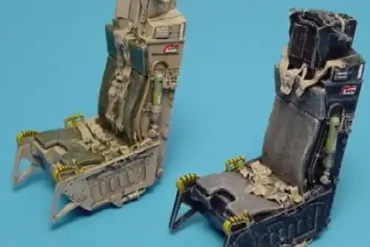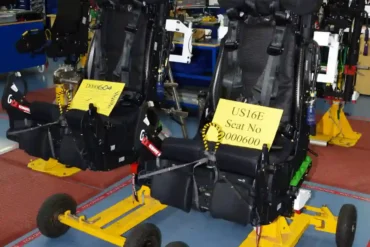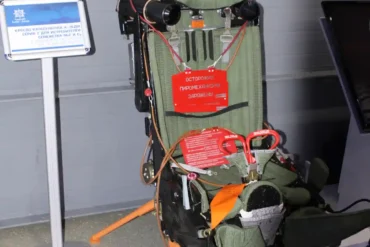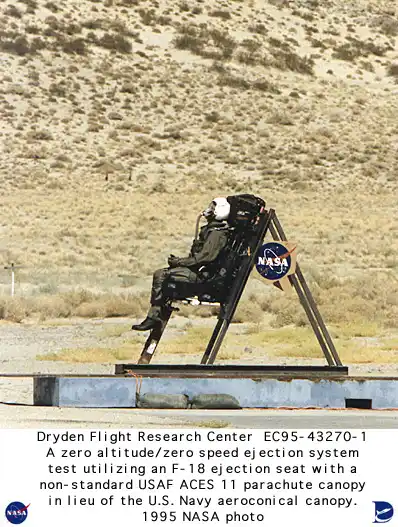
The F/A-18 Hornet and its advanced variants, including the Super Hornet (F/A-18E/F) and the EA-18G Growler, rely on state-of-the-art ejection seat technology to safeguard pilots in emergency situations. The ejection seat is a last-resort life-saving mechanism, meticulously engineered to function under extreme conditions, including carrier-based operations where high-risk takeoffs and landings are routine.
Primary Ejection Seat Models
Martin-Baker Mk. 10 (SJU-5/6A)
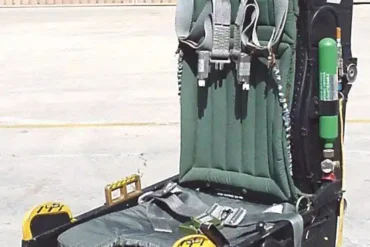
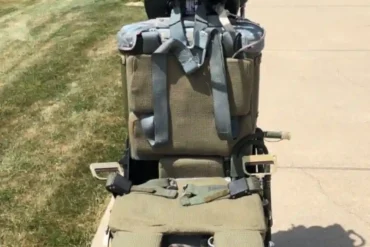
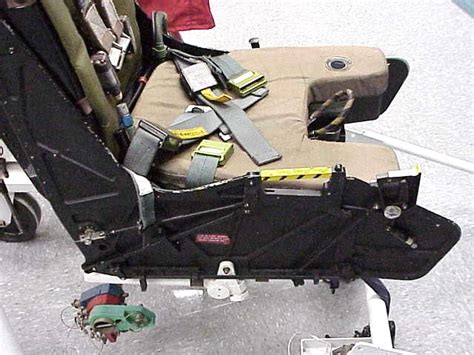
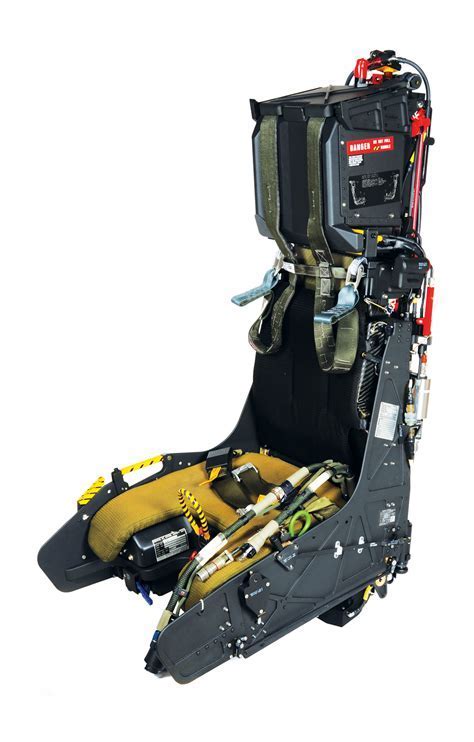
The early variants of the F/A-18 Hornet were equipped with the Martin-Baker Mk. 10 ejection seat, specifically designated as SJU-5/6A for U.S. Navy service. This system integrates several advanced safety features to maximize pilot survivability:
- Zero-Zero Ejection Capability: The SJU-5/6A allows safe ejection even at zero altitude and zero airspeed, a critical feature for carrier takeoff and landing failures.
- Drogue Parachute System: A rocket-deployed drogue chute stabilizes the seat immediately after ejection, followed by the deployment of the main parachute.
- Leg Restraint System: Integrated garters and cables secure the pilot’s legs to prevent flailing injuries during high-speed ejections.
SJU-17 NACES (Navy Aircrew Common Ejection Seat)
Later models of the F/A-18 Hornet and Super Hornet were upgraded with the SJU-17 NACES ejection seat, an advanced system providing improved survival gear and enhanced compatibility with modern avionics and flight suits. Key upgrades include:
- Enhanced Stability Control: The NACES system provides better seat trajectory control, minimizing the risk of unsafe ejections in extreme flight conditions.
- Integrated Survival Equipment: The seat contains oxygen supply, flotation devices, and emergency beacons.
- Dynamic Weight Adaptability: The system adjusts for variations in pilot weight and center of gravity, ensuring safe deployment for all aviators.
Key Components and Safety Features
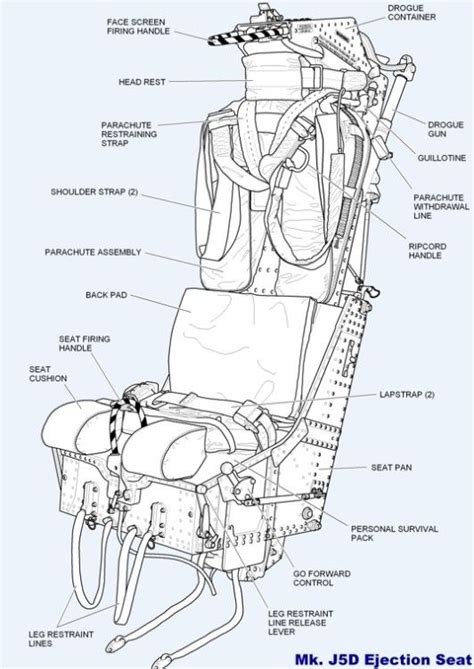
Headrest Parachute Pack
The parachute system is integrated into the headrest, ensuring rapid and automatic deployment after ejection. The pack seamlessly connects with the pilot’s harness to facilitate a smooth descent.
Timer Release Mechanism (TRM)
This automated system ensures pilot separation from the seat at the appropriate altitude, preventing entanglement with the parachute.
SEWARS (Salt-Water Activated Release System)
In the event of a water landing, SEWARS detaches the parachute to prevent drowning risks, a vital feature for carrier-based operations.
Inertia Reel and Restraint System
The inertia reel locks the pilot’s harness during sudden deceleration, maintaining optimal posture for a controlled ejection sequence.
Ejection Sequence: How the System Works
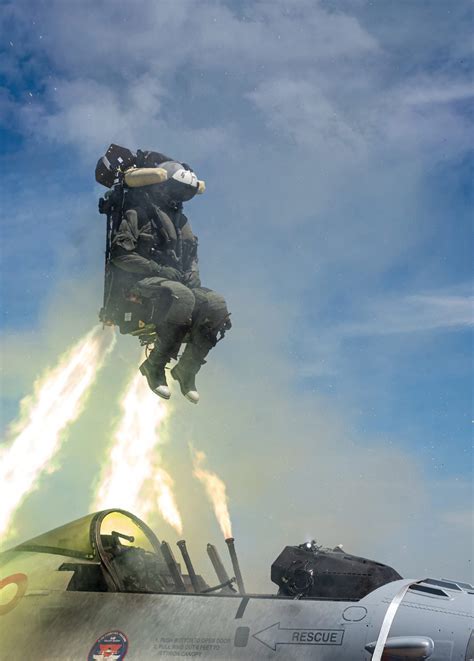
The ejection process is a highly coordinated series of events, executed in fractions of a second to maximize survival chances.
- Initiation: The pilot pulls the ejection handle, activating the catapult rocket beneath the seat.
- Drogue Deployment: A small drogue parachute stabilizes the seat’s trajectory, preventing tumbling.
- Main Parachute Release: At a safe altitude, the main parachute deploys, slowing the descent.
- Seat-Pilot Separation: The TRM releases the pilot’s harness, allowing independent descent.
Testing and Real-World Performance
The F/A-18 ejection seat undergoes rigorous testing and validation to ensure reliability in extreme conditions. NASA and the U.S. Navy have conducted zero-zero ejection tests, confirming that pilots can eject safely even at standstill on a carrier deck.
Key aspects of real-world performance include:
- Survivability in High-Speed Ejections: The system is tested at Mach 1+ speeds, ensuring stability and pilot safety.
- Extreme Conditions Adaptability: The ejection seat functions in cold weather, high-altitude, and combat scenarios.
- Carrier-Specific Adjustments: Designed for vertical acceleration forces unique to carrier launches and landings.
Upgrades and Future Developments
Block III Super Hornet Upgrades
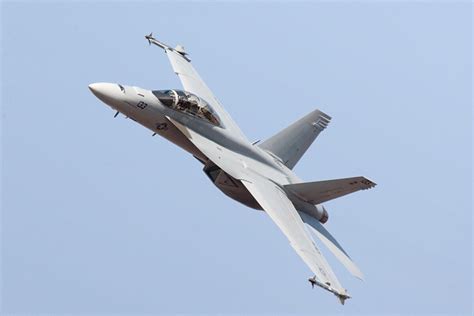
The latest Block III upgrades to the F/A-18E/F Super Hornet feature improved avionics and mission systems, but retain the NACES ejection seat, reinforcing its reliability and adaptability.
Compatibility with Modern Flight Gear
The ejection system has evolved to accommodate advanced pilot suits, helmet-mounted displays, and oxygen systems, ensuring seamless integration with next-generation fighter technologies.
Frequently Asked Questions
How does the F/A-18’s ejection seat differ from other fighter jets?
The F/A-18 ejection seat is specifically designed for carrier-based operations, featuring zero-zero capability, water-landing safety mechanisms, and compatibility with naval aviator gear.
Can an F/A-18 pilot eject at supersonic speeds?
Yes, the Martin-Baker SJU-17 NACES seat is capable of safe ejection at speeds exceeding Mach 1, though pilots experience high G-forces during such scenarios.
How often are ejection seats tested and maintained?
Ejection seats undergo routine inspections and maintenance to ensure operational readiness. Live ejection tests and simulator evaluations validate their performance under combat conditions.
The F/A-18 ejection seat exemplifies cutting-edge aviation safety, providing unmatched survivability for pilots operating in some of the most dangerous environments in modern air combat.