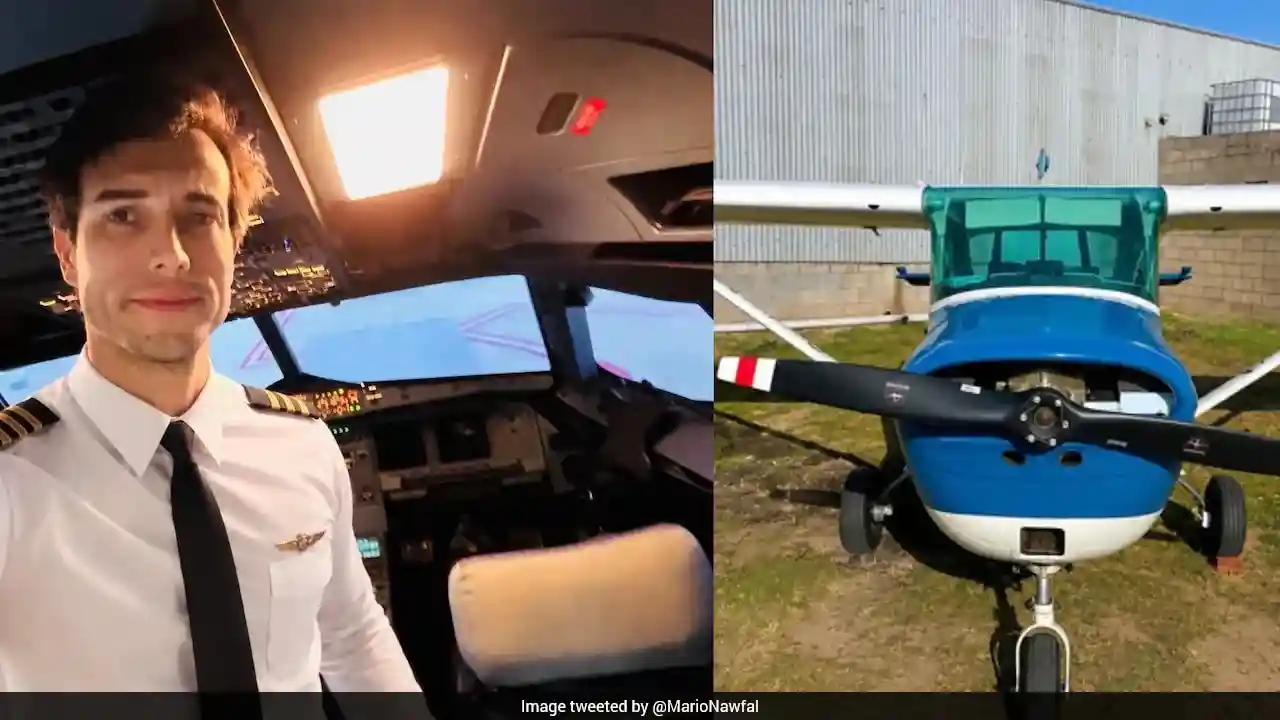
A routine training flight in central Argentina turned into a tragic aviation emergency on Saturday, July 4, when a student pilot was forced to land a Cessna 150 alone after her instructor left the aircraft during flight. The incident occurred near Toledo, in Córdoba Province, after flight instructor Leandro Andrés Bertazzo exited the aircraft, leaving the 22-year-old trainee, identified in reports as Rosario, responsible for bringing the airplane back to the ground.
The flight had been conducted as part of normal pilot training operations, but events changed dramatically when Bertazzo reportedly told the student, “you know what you have to do, carry on.” According to reports, he removed his headset, moved away from his seat, opened the aircraft door, and jumped from the moving airplane. Bertazzo, 42, was later found dead, while Rosario managed to maintain control and complete a safe landing without damage to the aircraft.
The incident has raised questions about the circumstances leading up to the instructor’s actions, while aviation officials and investigators continue examining what happened before and during the flight. The director of the Flying Parrot Córdoba Flying School, Eduardo Alvarez, said there had been no visible warning signs regarding Bertazzo’s mental state before the tragedy.
Student Pilot Faces Unexpected Emergency During Training Flight
The situation placed Rosario in an extraordinary and highly stressful position. A student pilot normally completes training flights under the supervision of an instructor who provides guidance, corrections, and emergency assistance. Instead, she suddenly found herself alone in a small aircraft with the responsibility of completing the flight and performing the landing.
The ability to safely land the aircraft demonstrated the importance of her training and the stability of the aircraft involved. Although the circumstances were extremely unusual, the student was able to follow procedures, maintain control, and return the airplane safely to the airport.
For many pilots, a first solo flight is already a significant milestone filled with pressure and responsibility. In this case, Rosario’s unexpected solo flight occurred under circumstances far beyond any normal training scenario. Aviation experts often emphasize that preparation, repetition, and discipline are essential because pilots may need to rely on their training during unpredictable situations.
The Cessna 150 involved in the incident is a widely recognized aircraft in aviation training history. Its simple design and reliable handling characteristics have made it one of the most commonly used airplanes for beginner pilots around the world.
Cessna 150: The Training Aircraft at the Center of the Incident
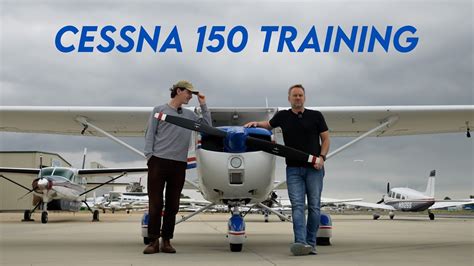
The Cessna 150 is a two-seat, single-engine general aviation aircraft designed primarily for flight instruction, personal flying, and recreational use. Produced by Cessna between 1958 and 1977, it became one of the most successful training aircraft ever built, with nearly 24,000 examples manufactured.
The aircraft features a tricycle landing gear configuration and was developed as an accessible platform for new pilots learning basic aviation skills. It was later succeeded by the Cessna 152, another aircraft that became a staple of flight schools worldwide.
The Cessna 150’s popularity came from its straightforward controls, predictable handling, and relatively forgiving flight characteristics. These qualities made it particularly suitable for student pilots learning fundamental skills such as takeoffs, approaches, and landings.
In this incident, those characteristics likely played an important role in allowing the trainee to manage the airplane after losing instructor assistance. However, investigators will focus on the full sequence of events, including the aircraft’s condition, operational procedures, and circumstances surrounding Bertazzo’s decision.
Investigation Begins Into Instructor’s Final Flight
Following the incident, prosecutors in Argentina began investigating the events surrounding Bertazzo’s death. Authorities are expected to examine multiple factors, including the instructor’s actions, flight conditions, communications during the flight, and any possible personal circumstances that may have influenced his decision.
Eduardo Alvarez described Bertazzo as a “beautiful person with a great smile” and said the instructor had shown no obvious indications that such an event might occur. Bertazzo had been working at Flying Parrot Córdoba Flying School and had extensive aviation experience, including qualifications and previous professional work in neighboring Chile.
According to information available through professional records, Bertazzo had been involved in aviation since at least 2018 and held advanced training credentials. His background as an experienced pilot and instructor has made the circumstances of the incident particularly difficult for colleagues and aviation professionals to understand.
Alvarez noted that human behavior can be extremely complex, especially when mental health struggles are hidden from those around an individual. The investigation will aim to establish a clearer understanding of what happened before the flight and whether any factors contributed to the tragedy.
Aviation Community Responds After Córdoba Flight Tragedy
The Flying Parrot Córdoba Flying School operates from Coronel Olmedo Airport, located near Córdoba, Argentina. The airport, which carries the International Civil Aviation Organization designation SACD, serves as a base for flight training activities.
The aviation community has responded with condolences for those affected by the incident, particularly Bertazzo’s family, colleagues, and the student pilot who experienced an unimaginable emergency during what should have been a normal training flight.
While aviation is built around safety systems, checklists, and careful preparation, this event highlights the importance of recognizing human factors alongside technical performance. Aircraft reliability and pilot training are critical components of aviation safety, but the industry also continues to study decision-making, communication, and psychological well-being among aviation professionals.
Rosario’s successful landing prevented an even greater disaster and demonstrated the value of effective flight training. However, the tragedy remains a reminder that aviation safety depends not only on machines and procedures but also on the people operating within the system.