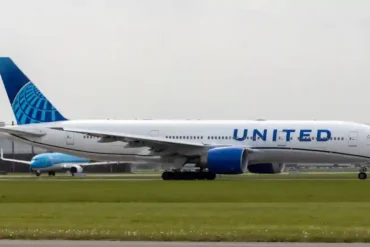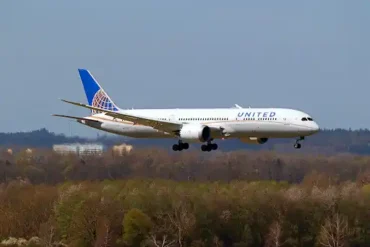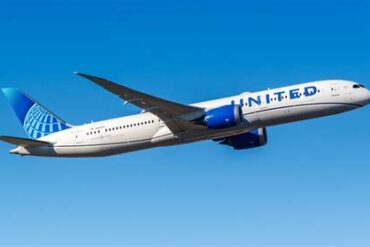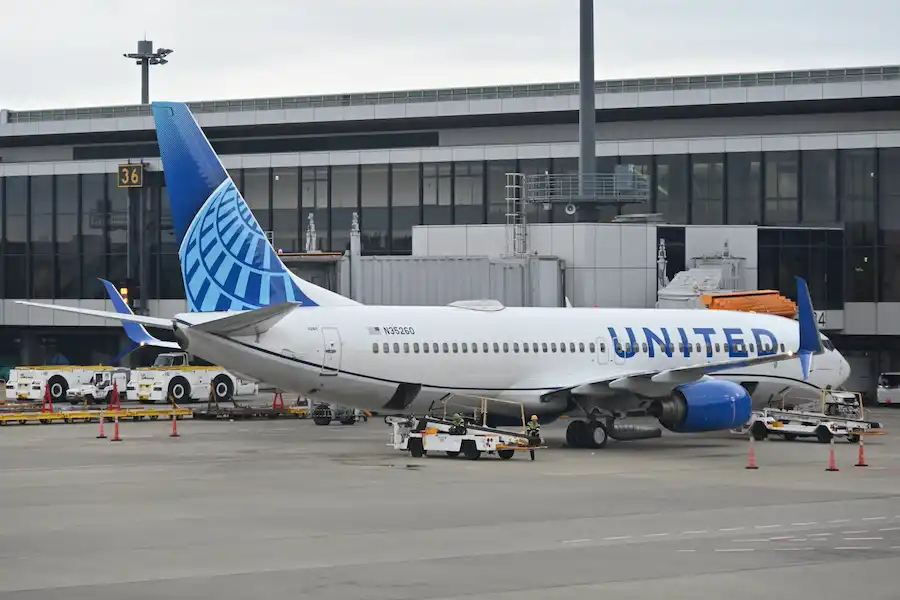
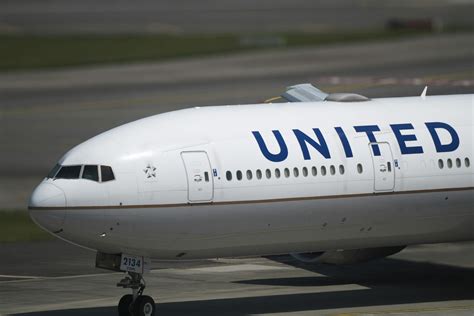
United Airlines Flight UA32, operating a Boeing 787-9 Dreamliner, was forced to declare an emergency and divert to Seattle-Tacoma International Airport on July 12, 2025, after spending five tense hours over the vast Pacific Ocean. The incident unfolded mid-flight during what was supposed to be a routine journey from Los Angeles (LAX) to Tokyo Narita (NRT), ultimately turning into a high-stakes operation involving aviation protocols, emergency preparedness, and operational precision.
The Flight: From Departure to Crisis Midair
Flight UA32 departed Los Angeles International Airport at 10:45 AM PDT, adhering to schedule. The Boeing 787-9 (registration N29978) was filled with passengers embarking on a nearly 10-hour transpacific journey. For the first half of the flight, operations proceeded as planned, with the Dreamliner cruising smoothly at 36,000 feet.
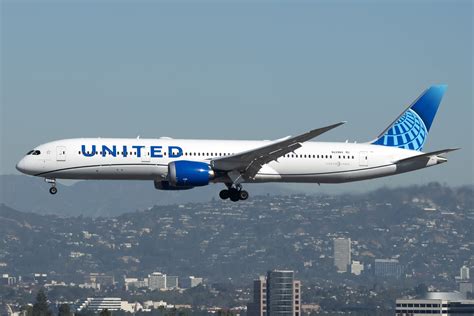
Roughly five hours into the flight, just past the halfway mark over the Pacific Ocean, the aircraft crew encountered a technical issue serious enough to prompt a Mayday call. The pilots squawked 7700, the universal aviation distress code, indicating an emergency that required immediate action. With limited diversion options mid-ocean, the flight was rerouted back to the United States mainland, specifically Seattle-Tacoma International Airport (SEA), the nearest major airport equipped to manage a widebody emergency.
Emergency Protocol: How the Crew Responded
Upon identifying the issue, the flight deck crew acted swiftly and decisively. Declaring an emergency was not taken lightly—it activated heightened air traffic control attention, rerouting traffic and opening a priority corridor for the aircraft. Passengers were notified of the diversion, and cabin crew began preparing them for landing, ensuring all safety protocols were followed.
This was not a rapid descent or uncontrolled situation. Instead, the Dreamliner maintained a controlled trajectory back to the mainland, reflecting the aircraft’s robust design and the crew’s extensive training. The aircraft ultimately touched down safely in Seattle, to the relief of passengers, airline staff, and aviation authorities monitoring the situation in real-time.
United Airlines’ Official Response
United Airlines promptly confirmed that Flight UA32 landed safely and without incident at SEA. In a brief but measured statement, the airline noted that a replacement flight to Tokyo was scheduled for 5:45 PM PDT, ensuring passengers could continue their journeys with minimal disruption.
“We take every precaution to ensure the safety and comfort of our passengers,” a United Airlines spokesperson said. “Our crews are trained to handle emergencies, and we are working to accommodate all travelers affected by this incident.”
Though United did not disclose the specific nature of the technical issue, the decision to declare an emergency and divert is indicative of a “better safe than sorry” safety-first culture in commercial aviation.
Passengers were provided with rebooking assistance, accommodation where necessary, and continuous updates through the airline’s customer support and digital platforms.
Investigative Oversight and Aviation Safety Standards
Though a safe landing was achieved, the incident automatically triggered procedural reviews by federal aviation authorities. The Federal Aviation Administration (FAA) and potentially the National Transportation Safety Board (NTSB) will analyze flight data and maintenance logs to determine what caused the in-flight issue.
While these investigations can take weeks or even months to conclude, their existence reinforces the rigor of U.S. aviation standards. The Boeing 787-9 Dreamliner is considered one of the safest and most technologically advanced aircraft in the sky, featuring composite materials, advanced avionics, and multiple redundancies. Nonetheless, even with advanced equipment, emergencies cannot be entirely ruled out.
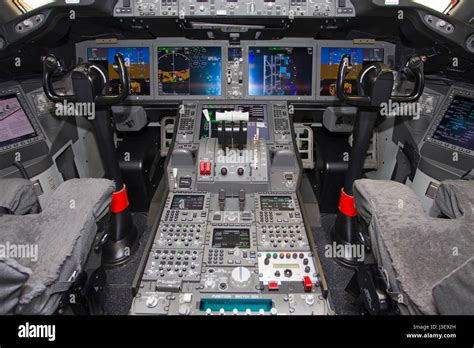
Aviation safety experts often point out that emergency diversions are a result of redundancy systems functioning as intended—detecting problems early enough to permit a safe, controlled landing. In this case, the crew’s prompt identification and execution of a safe diversion plan undoubtedly prevented any potential escalation.
The Role of the Crew: A Quiet Heroism
What stands out most in incidents like UA32 is the unwavering professionalism of the flight crew. Though the public often focuses on outcomes, seasoned aviation professionals recognize that decisions made at altitude must balance passenger safety, aircraft limitations, geography, and airport readiness.
From the flight deck to the cabin crew, UA32’s personnel followed protocols honed through years of training and simulation. Their calm communication with air traffic control, timely information to passengers, and preparation for landing showcased why commercial aviation remains one of the safest modes of transport.
The Passenger Experience: Fear, Reassurance, and Resolution
For passengers, the experience was a mixture of concern and confidence. In-flight announcements informing travelers of the emergency reroute were delivered with reassurance, and reports suggest that cabin crew managed to maintain order and calm. No injuries or incidents of panic were reported, and passengers were disembarked smoothly upon landing in Seattle.
United Airlines ensured that those with connecting flights or urgent schedules were given alternative solutions or compensation, demonstrating how post-incident logistics are just as crucial as the flight itself.
Several passengers took to social media post-landing to share praise for the flight crew and United’s handling of the situation, describing it as “efficient, calm, and professional.” This kind of real-time customer feedback plays an important role in public perception and brand credibility during emergency events.
Boeing 787-9 Dreamliner: Resilience at High Altitude
The incident also draws attention to the aircraft itself—the Boeing 787-9 Dreamliner. Introduced as part of Boeing’s next-gen widebody lineup, the 787-9 is known for:
- Fuel efficiency with composite fuselage
- Extended range capability, suitable for long-haul international routes
- Lower cabin altitude and higher humidity for passenger comfort
- Advanced flight control systems and avionics for enhanced safety
N29978, the aircraft involved, is part of United’s 787 fleet and has not previously been linked to any major incident. This flight marks a critical test of the 787-9’s redundancy and alert systems, which appear to have functioned exactly as intended.
What Happens Next: Investigation, Maintenance, and Future Flights
After an incident like this, the aircraft undergoes extensive post-landing inspections. Technicians will analyze onboard data recorders, mechanical systems, and onboard logs to diagnose the root cause. If repairs or part replacements are necessary, the aircraft will remain grounded until certified airworthy again.
In parallel, the FAA may issue safety directives or advisories if the issue is found to be systemic. In most cases, however, such events are isolated, and the affected aircraft is returned to service once cleared.
As for the passengers of UA32, most continued to Tokyo later the same day, while others were rebooked or provided alternate arrangements. United Airlines’ ability to minimize delay and disruption was credited to its contingency planning and quick response coordination with Seattle ground operations.
Aviation Lessons: A Reminder of Systemic Safety
Flight UA32 is a prime example of how modern aviation prioritizes preparedness over panic. Emergencies, while rare, are anticipated and planned for across all airline departments—from dispatch to maintenance, crew to customer care.
For travelers, this incident underscores the importance of flying with established, safety-driven carriers. United Airlines’ fast response, passenger care, and transparency have already been noted by aviation observers as a case study in best practices.
Final Thoughts: A Calm Landing in a Cloud of Uncertainty
As the skies over the Pacific returned to calm, so too did the nerves of those aboard UA32. While no traveler anticipates a diversion, the fact that every system worked as designed—from pilot alertness to aircraft sensors—reaffirmed confidence in the engineering and human discipline behind global aviation.
The next time Flight UA32 takes off for Tokyo, it will carry not just passengers but a renewed sense of vigilance, professionalism, and above all, trust.