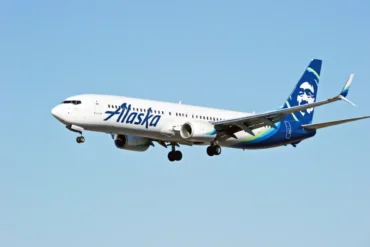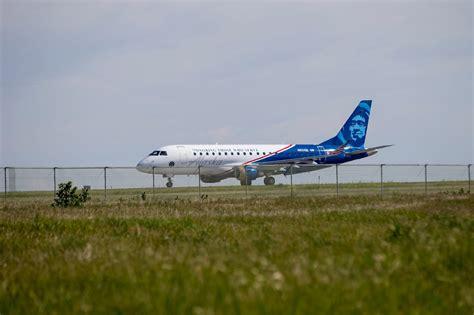
On June 14, 2025, a significant security incident unfolded at Seattle-Tacoma International Airport (SEA), bringing operations to a grinding halt due to a bomb threat reported aboard an Alaska Airlines flight bound for Walla Walla Airport (ALW). The alarming situation began shortly after 1:00 PM local time when a passenger made a threatening statement while the aircraft was taxiing, prompting immediate action from airport authorities and law enforcement.
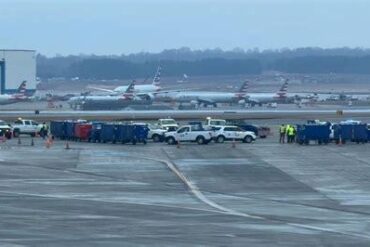
The Embraer E175 aircraft, operated under Horizon Air and branded as an Alaska Airlines flight, was forced to stop on the runway. The swift response from security teams led to the isolation of the aircraft and the evacuation of all passengers. As the threat was taken seriously, both runways at SEA were shut down, resulting in a complete suspension of all flight operations. This decisive action sparked a full-scale emergency response, involving airport police and fire departments, who worked diligently to assess the situation and secure the area.
As a result of this incident, over 525 flights were delayed or canceled throughout the day, significantly impacting air traffic across the Pacific Northwest and beyond. Reports indicated that Alaska Airlines bore the brunt of the disruption, suffering 225 delays and 17 cancellations, creating chaos for travelers and airlines alike. Incoming flights destined for Seattle were either rerouted to nearby airports or held at their originating locations, leading to a cascade of operational challenges and confusion among passengers.
While the airport has since resumed normal operations, the incident raised critical questions regarding aviation security and the management of in-flight threats. Although one individual has been detained in connection with the incident, there remains no public confirmation regarding the presence of any actual explosives. It appears that the threat may have been a false alarm; however, the situation underscored the necessity of stringent security measures in the aviation sector.
This incident is not isolated but part of a troubling pattern of rising bomb threats targeting flights within the United States. Earlier in June 2025, another bomb threat incident involved a Spirit Airlines flight headed for Los Angeles, which similarly resulted in mass evacuations and delays. The frequency of such threats complicates airline operations and places additional burdens on security personnel, who must treat each report as credible until proven otherwise.
The legal ramifications for individuals making bomb threats are severe. The U.S. judicial system does not take such threats lightly, often leading to significant prison sentences for offenders. A notable case from May 2025 involved a passenger who issued a bomb threat on a flight from Atlanta to Seattle and was subsequently sentenced to nearly two years in federal prison. This serves as a stark reminder of the serious consequences that await those who disrupt air travel, whether their threats are genuine or hoaxes. In addition to prison time, offenders are often required to pay restitution to cover the costs incurred by airlines and affected airports.
Accompanying the rise in bomb threats is an increase in unruly passenger behavior, which continues to pose challenges for the aviation industry. The Federal Aviation Administration (FAA) defines unruly passengers as those whose actions threaten flight safety or the well-being of others on board. Reports indicate a marked increase in such incidents, with 2,102 cases recorded in 2024, reflecting a 1% increase from the previous year. By mid-2025, the FAA had already logged 699 new reports of disruptive passengers, indicating that this trend shows no signs of abating.
Airlines and regulatory bodies are actively reinforcing policies surrounding in-flight conduct, implementing measures such as lifetime bans, heavy fines, and criminal prosecution when necessary. As the aviation industry grapples with these pressing issues, the need for comprehensive strategies to ensure safety and maintain public confidence in air travel has never been more critical.
In response to the June 14 incident at SEA, airport authorities, along with federal agencies, are working tirelessly to enhance security protocols and streamline threat assessment procedures. While the temporary shutdown was handled efficiently, the broader implications of such threats extend beyond mere flight delays. They erode passenger confidence and create additional strain on an industry striving to recover from recent disruptions.
The bomb threat incident at Seattle-Tacoma International Airport serves as a poignant reminder of the vulnerabilities facing modern aviation amidst a backdrop of increasing security threats. With one suspect in custody and no confirmed explosives found, authorities acted decisively to mitigate the situation. However, the impact on travelers was profound, with hundreds of flights delayed or canceled and thousands of individuals affected by the ensuing chaos. As bomb threats and unruly passenger behavior continue to escalate, the aviation industry faces mounting pressure to maintain safety standards without sacrificing efficiency. These ongoing incidents highlight the urgent need for robust preventive measures, decisive legal action, and heightened awareness among passengers to preserve the integrity and security of global air travel.