Passengers on Allegiant Air Flight 1023 experienced a terrifying ordeal on July 6, 2025, when the aircraft was forced to make an emergency landing shortly after departing St. Pete–Clearwater International Airport (PIE). The flight, en route to Roanoke–Blacksburg Regional Airport (ROA), was suddenly rerouted after a male passenger claimed his laptop was an explosive device, triggering an urgent security response and a full-scale aviation crisis.

High Altitude Tension: Bomb Threat Shakes Summer Travel Routine
The incident erupted just minutes after takeoff, plunging what was expected to be a routine domestic flight into chaos. Flight 1023, operated by an Airbus A320, was carrying a full load of summer travelers when 27-year-old Taj Malik Taylor, seated at the rear of the cabin, made the shocking announcement to a fellow passenger. He claimed his laptop contained explosives, and nearby passengers immediately alerted the flight attendants.
Realizing the severity of the situation, the flight crew initiated emergency protocols and swiftly notified the cockpit. The pilots turned the aircraft back toward PIE, where emergency personnel and law enforcement had already mobilized for the plane’s return. The jet landed safely at approximately 2:00 p.m. local time, with no injuries reported.
Immediate Law Enforcement Intervention and Passenger Detainment
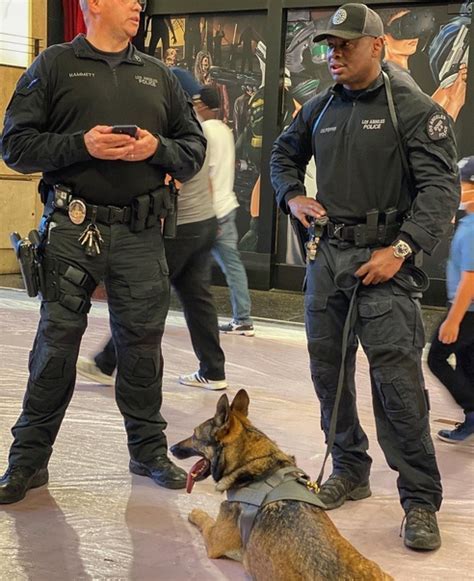
Upon landing, the plane was met by a robust security presence. Bomb-sniffing dogs from local law enforcement swept the aircraft and luggage while passengers were evacuated and interviewed. Taylor was taken into custody without incident.
Authorities later confirmed that no explosives were found aboard the aircraft or in Taylor’s belongings. However, his verbal threat carried serious legal consequences. After interviewing multiple passengers, law enforcement confirmed the statements were credible and consistent, leading to Taylor being formally charged with making a false bomb threat, a felony offense under federal aviation law.
Mental Health Complications Deepen the Legal Complexity
According to initial reports, Taylor had recently been discharged from a mental health facility and was allegedly suffering confusion due to medication effects. While this medical context may influence the legal proceedings and possible sentencing, it does not absolve the seriousness of the act.
Taylor faces potential penalties of up to five years in prison, a $25,000 fine, or both. His first court appearance is scheduled for later today and is likely to draw significant attention from both media and aviation industry observers.
Airline Crisis Management: Fast, Decisive, and Commendable
In a time-sensitive and high-pressure scenario, Allegiant Air’s crew demonstrated swift and effective crisis management. From identifying the threat to executing the emergency landing, each step was handled in a manner that prioritized passenger safety without triggering mass panic.
Still, the incident raises questions about broader airline preparedness and training in handling onboard threats—especially those emerging from non-traditional security risks like mental health-related disruptions.
Operational Impact: Disruptions and Cascading Costs for Allegiant
While the immediate crisis was neutralized, the fallout from the emergency landing stretched far beyond the aircraft. Flights on Allegiant’s network experienced delays and rescheduling, particularly at St. Pete–Clearwater International, where the unexpected return of Flight 1023 required last-minute operational realignments.
For Allegiant, a low-cost carrier operating on tight margins, such disruptions are particularly challenging. Aircraft grounded for security checks, crew duty hour resets, and customer compensation all contribute to escalating costs. The airline will likely incur thousands of dollars in losses due to this single incident.
Public Confidence Shaken Amid Industry Uncertainty
The Allegiant bomb threat arrives at a precarious time for the aviation industry. In 2025, airlines are already grappling with volatile fuel prices, geopolitical instability, and post-pandemic behavioral shifts among travelers. This incident only deepens public apprehension toward air travel.
Such events—particularly when widely reported—can lead to booking hesitations, increased demand for travel insurance, and rerouting of passenger preferences. Travel advisors are already reporting queries from concerned clients, many asking whether it is safe to fly with Allegiant or through PIE in the near future.
Revisiting Aviation Security in the Mental Health Era
Aviation security has evolved dramatically since the post-9/11 era. However, this incident signals an urgent need to update screening and behavioral detection protocols. With growing awareness of mental health issues among the general population, airline and airport personnel now face the delicate task of ensuring safety without encroaching on civil liberties or medical privacy.
Experts in aviation security suggest that while current screening tools like behavioral detection officers and crew de-escalation training are in place, more robust systems may be required to proactively manage such risks. These could include pre-flight behavioral assessments, crew-accessible passenger health histories, or AI-driven behavior flagging systems—each with its own ethical and logistical challenges.
Travel Industry and Legal Systems on High Alert
For the broader travel industry, the incident is a warning flare. Tour operators, corporate travel managers, and insurance providers are now re-evaluating risk mitigation strategies. Duty of care policies are under review, especially for business travelers who may be disproportionately impacted by even minor flight disruptions.
In the legal realm, Taylor’s case could set precedents on how mental illness interacts with aviation law. If the court acknowledges his medical background as a mitigating factor, it could open discussions about responsibility thresholds for travelers deemed unfit to fly due to mental instability.
Airline Communications: Keeping Travelers Informed During Crisis
Allegiant has not yet released a detailed public statement but confirmed that passenger safety remained the top priority and thanked law enforcement for their quick and professional response. The carrier is reportedly working to reaccommodate affected travelers and address customer service concerns.
This scenario further emphasizes the role of effective crisis communication in maintaining passenger trust. Social media updates, gate announcements, and email notifications must be swift, accurate, and empathetic. Transparency, in times of crisis, often becomes the deciding factor in whether a brand recovers public confidence.
A Fragile Summer Travel Season Faces New Headwinds
As the peak summer travel season surges forward, this incident becomes a case study in what can go wrong—and how quickly. Airlines, airports, and government regulators must now prepare for increased vigilance, possibly including additional screenings, crew trainings, and contingency simulations.

The Allegiant Air Flight 1023 scare is more than a headline—it is a moment that challenges the travel sector’s readiness for fast-evolving threats. From the flight deck to the control tower, from airport terminals to courtrooms, the consequences will echo far longer than the 90-minute delay it caused.
The industry must adapt to ensure that travel in 2025 remains not only accessible and efficient but—above all—safe.