A widespread Microsoft 365 outage closed out the working week by knocking out email systems, booking platforms, and customer support channels across the global aviation industry, forcing SpiceJet to cancel flights from Delhi while Cathay Pacific, Scoot, and Akasa Air warned passengers that critical flight notifications might never reach their inboxes. Education and healthcare absorbed the heaviest damage, but the fallout rippled straight into commercial aviation, where a single failed verification email or a stalled support queue can strand hundreds of travelers in a matter of hours. The disruption falls short of the July 2024 CrowdStrike meltdown in scale, yet airlines moved quickly into defensive mode, prioritizing precaution over profit as they scrambled to keep grounded customers informed through every remaining channel.
SpiceJet Grounds Delhi Departures as Cancellations Mount
India felt the outage most sharply, and the low-cost carrier SpiceJet emerged as the airline whose operations took the most direct hit. The carrier axed flights departing Delhi (DEL) for Leh (IXL), Pune (PNQ), and Mumbai (BOM), with flight-tracking data from FlightAware recording 22 SpiceJet cancellations on the day. Mumbai lost two of its three SpiceJet services on both November 12 and 13, with SG476 and SG603 removed from the schedule, while the Delhi–Pune pairings SG186 and SG939 suffered the same fate across both dates. Both of Friday’s Leh departures, SG121 and SG123, were also scrapped, leaving passengers bound for the Himalayan region searching for alternatives at short notice. The pattern suggests the cancellations were not random but concentrated on routes where tight turnarounds and thin backup capacity left no room for manual recovery once digital check-in and dispatch tools faltered.

Akasa Air and IndiGo Absorb Delays and Lost Email Support
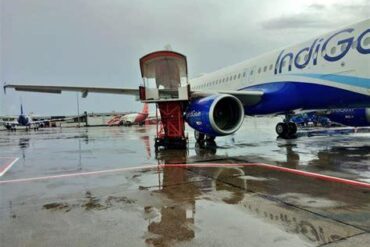
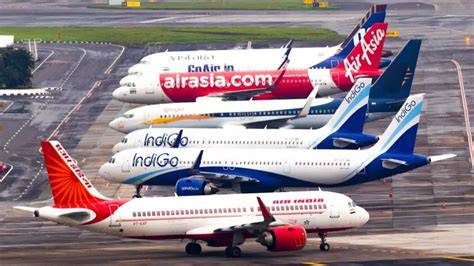
Elsewhere in India, Akasa Air reported 44 delays (19%) alongside 26 cancellations (11%), a punishing ratio for a young carrier still building passenger trust. IndiGo, by contrast, registered just five cancellations, a number close to what a carrier of its size might see on an ordinary day, but its delays swelled to 374, or 16% of the day’s schedule, as queues compounded through the afternoon. Both airlines confirmed that their email support lines had been directly affected, a deceptively serious problem in an industry where refunds, rebookings, and medical clearances often depend on written confirmation. Air India kept its flights running without operational disruption, yet the flag carrier and Star Alliance member still rerouted portions of its email traffic to preserve customer communications, an elegant workaround that kept the airline’s voice alive even as Microsoft’s infrastructure wobbled.
Cathay Pacific and Scoot Warn Passengers About Missing Notifications
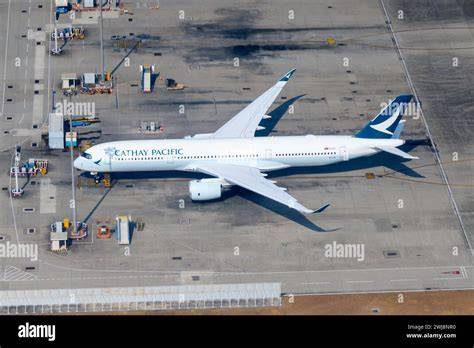
Across Asia, Cathay Pacific confirmed that its flight operations remained unaffected but issued a pointed warning on its website that “some customers using Microsoft services may not receive flight notification emails.” Hong Kong’s home carrier understood the trap: a flight can depart perfectly on time while the passenger who never received the schedule change still arrives at the wrong terminal. Singaporean low-cost carrier Scoot published a parallel update on Facebook, acknowledging that “customers may experience longer response times to their enquiries, and some customers may not receive flight notification emails,” before stressing that “all flight operations and other services continue to operate as scheduled.” Both airlines effectively asked travelers to verify departures through apps and websites rather than waiting for an email that might never arrive, a small instruction with outsized consequences for anyone connecting through multiple time zones.
Microsoft Signals Recovery as North America and Europe Escape Unscathed
Microsoft pointed to encouraging recovery signs in certain regions, stating that “Japan remains comparatively more stable, while North America is also improving,” while conceding that “some users may still experience intermittent issues as recovery actions continue.” North American and European aviation appeared to escape entirely, with the BBC reporting that both Liverpool (LPL) and Manchester (MAN) airports operated normally throughout the disruption. That geographic unevenness matters: an outage that spares Heathrow and JFK but cripples Delhi and Hong Kong reveals how unevenly cloud dependency is distributed across carriers of different sizes and IT budgets. Airlines with diversified infrastructure rode out the storm, while those relying on a single productivity suite discovered how quickly a routine Friday becomes a crisis management exercise.
How This Outage Differs From the 2024 CrowdStrike Meltdown
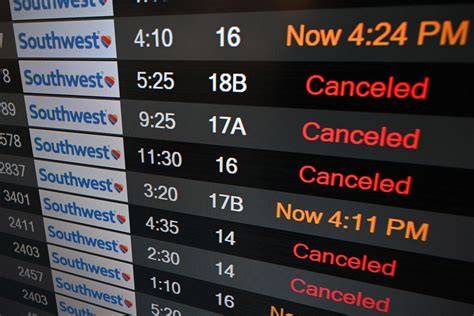
Veterans of aviation IT will recognize the shape of this event from July 2024, when a faulty CrowdStrike update grounded fleets worldwide and pushed Delta Air Lines into litigation, filing suit over meaningful financial impact before facing counterclaims from CrowdStrike itself and ultimately avoiding major fines from the United States DOT after a two-year probe. That crisis stemmed from security software failing at the operating-system level, whereas this week’s disruption originated in productivity and email services, a narrower blast radius that allowed most flights to keep moving. The 2024 saga also produced a memorable outlier: Southwest avoided the chaos by clinging to a 32-year-old system that the faulty update never touched, an irony not lost on critics who had long derided its outdated technology. FedEx benefited from the same inertia, while other major US carriers endured groundings and cancellations.
The lesson airlines keep relearning is that digital resilience is not a single firewall or backup server but a web of redundancies across email, dispatch, crew scheduling, and passenger communication. SpiceJet’s grounded Delhi departures and Cathay Pacific’s missing notification emails are two symptoms of one underlying vulnerability: when the tools that coordinate people and aircraft fail, the aircraft stop moving. Until recovery completes and intermittent issues fade, passengers should confirm every booking through official apps and arrive early, because the email that never comes is the one that matters most.