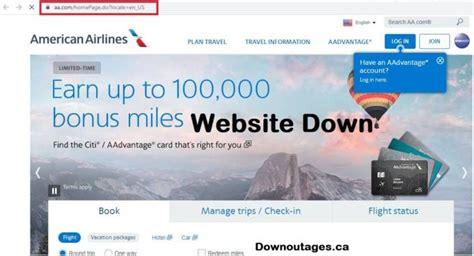
American Airlines faced a major digital disruption on Monday as a widespread outage crippled its online booking systems, paralyzing operations across the United States and leaving customers unable to book, manage, or search for flights for nearly four hours. The breakdown began around 11:00 AM EST and primarily impacted users attempting to access the airline’s website and mobile application.
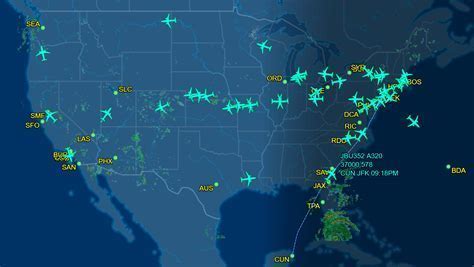
Passengers departing from key hubs such as Dallas/Fort Worth International Airport (DFW) were among the hardest hit, as the outage affected both desktop and mobile access points, leaving many stranded in the booking process without recourse. Automated error messages greeted users attempting to log in, check bookings, or purchase new tickets, with no immediate workaround in place.
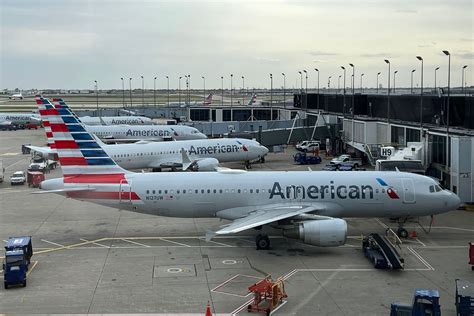
Booking Freeze Brings American Airlines Operations to a Halt
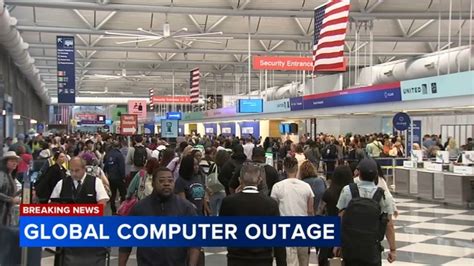
The outage rapidly evolved into a nationwide customer service issue as call centers were overwhelmed. Phone support queues ballooned beyond two-hour wait times, as fliers sought answers and alternative methods to complete urgent travel transactions. During this critical window, employees and support staff were also locked out of internal systems, adding further strain to the airline’s ability to communicate and respond effectively.
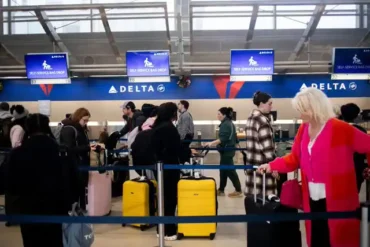
Despite the widespread chaos, Delta Air Lines (DL), United Airlines (UA), and Southwest Airlines (WN) reported no abnormalities in their systems, confirming that the outage was isolated to American Airlines (AA). This sharply reduced the likelihood of a coordinated cyberattack or broad-based IT infrastructure failure, instead pointing toward a contained internal or vendor-related issue.
Vendor-Related System Failure Confirmed by Airline
By mid-afternoon, American Airlines officially acknowledged that the issue originated from a “vendor-related systems failure.” The company did not disclose the name of the affected third-party provider, nor did it provide technical details or an estimated time for full recovery. However, teams were reportedly mobilized quickly and worked to restore partial functionality within hours.
This confirmation reignited industry concerns surrounding the aviation sector’s increasing dependence on third-party technology providers to maintain critical passenger service systems. While many airlines benefit from such partnerships to streamline operations and reduce internal IT costs, Monday’s outage highlighted the vulnerabilities introduced by this model—particularly when vendors fail or go offline unexpectedly.
Past Incidents Raise Sabre Speculation
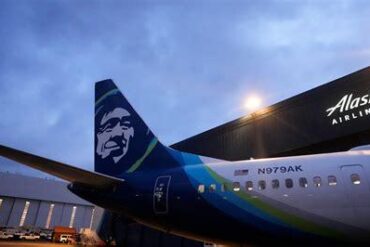
Speculation quickly turned toward Sabre Corporation, a long-standing American Airlines technology partner that powers the airline’s SabreSonic Passenger Service System. Sabre’s infrastructure has played a central role in AA’s digital framework for years. A notable precedent occurred in April 2019, when a global outage on Sabre’s platform paralyzed reservation, check-in, and boarding systems not only for American but also for Alaska Airlines (AS) and JetBlue (B6).
However, Monday’s event did not affect Sabre’s other airline clients, and neither Alaska nor JetBlue reported disruptions, weakening the theory of Sabre’s involvement in this case. As of press time, American Airlines has not confirmed or denied whether Sabre was the impacted vendor.
Outage Mirrors Previous Industry-Wide IT Failures
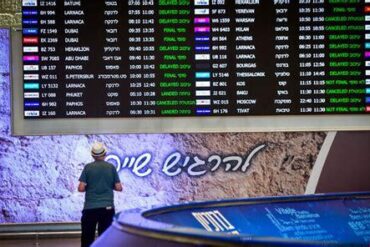
The incident also drew parallels to the July 2024 CrowdStrike debacle, in which a faulty Windows Defender update deployed by CrowdStrike crippled countless airline systems across the country. That crisis led to hours of delays, canceled flights, and a massive operational cascade within major U.S. carriers.
Unlike that far-reaching episode, American’s booking failure appeared limited in scope and duration. Yet the recurrence of such outages—especially those rooted in third-party services—underscores a persistent risk faced by digital-first airlines. The increasing complexity of IT ecosystems means any single point of failure can translate into multi-hour business paralysis, loss of revenue, and reputational damage.
Systems Return With Caution and Delays
By 3:30 PM EST, signs of recovery emerged as users slowly regained access to booking functionalities. Website responsiveness remained sluggish, and some residual errors were still present on mobile platforms. DownDetector traffic, which had spiked dramatically in the late morning, began to recede as incident reports dwindled.
Despite this, customers were urged to monitor official American Airlines communication channels for ongoing updates. Given the gradual restoration pace, some transactions may have been delayed or lost during the restoration process. Those who attempted bookings during the outage window were encouraged to recheck reservation statuses.
Operational and Customer Service Repercussions
The fallout from Monday’s outage extends beyond temporary inconvenience. Airlines operate on thin scheduling margins, and the inability to process new bookings or handle customer changes during peak hours can lead to significant downstream effects—including inventory mismanagement, overbooked flights, and missed revenue opportunities.
Moreover, with call center operations bogged down, American’s customer satisfaction ratings risk erosion, particularly among business travelers reliant on seamless booking capabilities. Industry observers note that the airline’s communication strategy during the outage will also face scrutiny. The absence of real-time updates, vague messaging, and delayed confirmations left many passengers confused and uninformed.
Cybersecurity or Stability: Which Is the Greater Threat?
Although no cyber breach was detected, this event once again brings to light a critical tension in modern aviation: the balance between innovation and infrastructure resilience. With digital platforms and AI-driven optimization tools taking center stage, the underlying architecture must remain robust against unexpected vendor failures.
Outages like this one can shake consumer confidence, not due to malice or external attacks, but from internal overreliance on outsourced IT functions. Unless backup systems, fail-safes, and clear vendor accountability are prioritized, the industry may continue to see operational paralysis with alarming frequency.
Regulatory Oversight and Vendor Transparency Calls Rise
In the wake of such outages, experts often question whether airlines—and the broader aviation industry—should be subjected to stricter regulatory oversight regarding their IT infrastructure. Transparency regarding third-party providers, recovery protocols, and data integrity procedures remain vague in most airline customer agreements.
As with previous cases, neither the airline nor the suspected vendors have offered post-incident transparency reports, raising concerns from industry analysts and consumer protection agencies. The lack of a mandatory disclosure framework leaves both regulators and travelers in the dark regarding potential risks and long-term resolutions.
Conclusion: A Brief Outage, A Long-Term Warning
Though systems were eventually restored within the same day, the American Airlines booking outage should serve as a stark reminder of systemic fragility within aviation IT infrastructure. The reliance on third-party systems for mission-critical operations, without clear contingency protocols, represents a mounting risk in a sector that demands absolute reliability.
As customers continue to rely on digital platforms for travel, airlines must prioritize vendor resilience, transparency, and proactive crisis communication. The cost of failure is no longer measured in minutes lost but in loyalty, trust, and long-term brand equity.