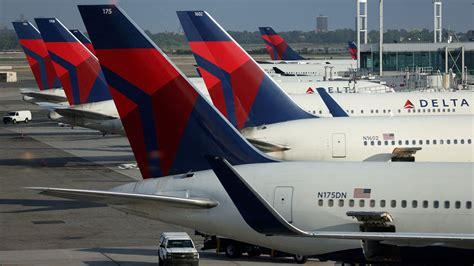
Delta Air Lines is facing a significant legal battle after a federal judge ruled that the airline must respond to a proposed class action lawsuit from passengers who claim they were unfairly denied full refunds following a massive computer outage in July 2024. This outage, triggered by a flawed software update, resulted in thousands of flight cancellations and delays, affecting travelers worldwide. The case, Bajra et al v Delta Air Lines, is being heard in the U.S. District Court for the Northern District of Georgia (No. 24-03477) and highlights the potential legal ramifications for one of the world’s largest airlines.
The Incident: A Catastrophic System Failure
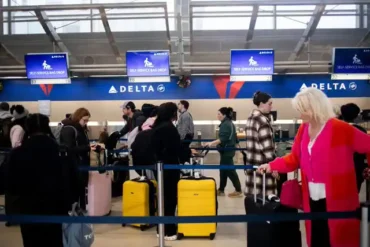
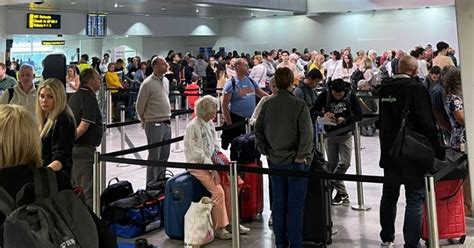
On July 19, 2024, Delta Air Lines experienced a catastrophic IT outage following a problematic software update from CrowdStrike (CRWD.O), a major cybersecurity firm. The faulty update, which impacted over 8 million computers, triggered widespread system crashes, disrupting operations for several major companies, including Microsoft (MSFT.O). While most U.S. airlines managed to stabilize operations within a day, Delta faced prolonged disruptions, ultimately canceling approximately 7,000 flights and affecting tens of thousands of passengers globally.
The outage reportedly cost Delta around \$550 million in lost revenue and added costs, though the airline managed to save approximately \$50 million in fuel expenses due to the reduced number of flights. Passengers, however, bore the brunt of the chaos, with many left stranded or significantly delayed, sparking widespread frustration and leading to the current legal action.
Legal Battle Over Refunds and Compensation
The lawsuit centers on claims that Delta failed to provide automatic refunds for canceled or significantly delayed flights, instead offering partial refunds only if passengers waived further legal claims. This approach has drawn significant criticism, as many affected travelers argue that the compensation offered was grossly inadequate. For instance:
- John Brennan, a plaintiff from Florida, claimed he and his wife missed a \$10,000 anniversary cruise after being stranded in Atlanta. Delta’s response? A mere \$219.45 in compensation.
- Vittorio Muzzi of the Netherlands, another plaintiff, reported spending 5,000 euros (approximately \$5,685) for a trip from Amsterdam to Florida, only to have his luggage delayed by 15 days after a flight cancellation. Delta’s compensation was just 588 euros (\$669).
The Court’s Ruling: Key Claims Move Forward
In his decision, U.S. District Judge Mark Cohen allowed five of the nine plaintiffs to proceed with breach of contract claims, arguing that Delta’s failure to provide timely refunds constituted a breach of its service agreements. Cohen also permitted a separate group of five plaintiffs to pursue claims under the Montreal Convention, a multilateral treaty that governs international air travel, providing specific rights to passengers in cases of delays, cancellations, and lost or delayed baggage.
However, Cohen dismissed several other claims, including those he determined were preempted by federal law, thereby narrowing the scope of the case but still presenting Delta with a potentially costly legal challenge.
Broader Implications for the Airline Industry
This case highlights a broader issue within the airline industry: the ongoing struggle to balance operational efficiency and customer satisfaction. As digital infrastructure becomes increasingly critical to airline operations, the risks associated with IT failures have grown exponentially. Delta’s recent experience underscores the need for robust backup systems and clear refund policies to avoid legal backlash and maintain customer trust.
Additionally, this lawsuit may serve as a critical test of passenger rights under the Montreal Convention and other relevant regulations, potentially setting a precedent for future cases involving mass disruptions.
Looking Ahead
As the lawsuit progresses, Delta faces not only significant financial risks but also potential damage to its brand reputation. The airline has yet to comment publicly on the ongoing litigation, though it has previously sought to dismiss all claims except those related to international travel under the Montreal Convention. The outcome of this case could have far-reaching implications for both the company and the broader airline industry as a whole.
For affected passengers like Brennan and Muzzi, the stakes are personal, representing a fight for fairness and accountability in the face of corporate missteps. As the case unfolds, it will be closely watched by legal experts, consumer advocates, and travelers worldwide, potentially reshaping the relationship between airlines and their customers.

Conclusion
With hundreds of millions of dollars on the line and significant reputational stakes, Delta’s response to this lawsuit will be a critical test of its commitment to customer service and corporate responsibility. Whether this case leads to meaningful changes in the airline’s policies remains to be seen, but it already stands as a stark reminder of the high stakes involved in today’s complex, tech-driven airline industry.