Federal authorities have arrested a Federal Aviation Administration employee after investigators allegedly uncovered disturbing online searches and communications connected to President Donald Trump. The case has drawn national attention not only because of the nature of the alleged threats, but also because the suspect worked inside a major federal agency responsible for overseeing critical aviation infrastructure across the United States.
According to court filings and federal investigators, 35-year-old Dean DelleChiaie was taken into custody in New Hampshire after authorities linked him to a series of alarming internet searches performed on a government-issued computer. Officials allege the searches included inquiries about bringing firearms into federal facilities, historical assassination attempts against American presidents, and phrases explicitly referring to killing President Trump.
The investigation reportedly intensified after suspicious activity was flagged internally within the FAA. The agency’s IT department became concerned when DelleChiaie allegedly requested assistance deleting browsing history from his work computer, prompting an escalation to the United States Secret Service.
The case has quickly become another example of how federal agencies are increasingly relying on digital monitoring, cybersecurity oversight, and inter-agency coordination to identify possible threats before they escalate into real-world violence.
FAA IT Department Reportedly Triggered Federal Investigation
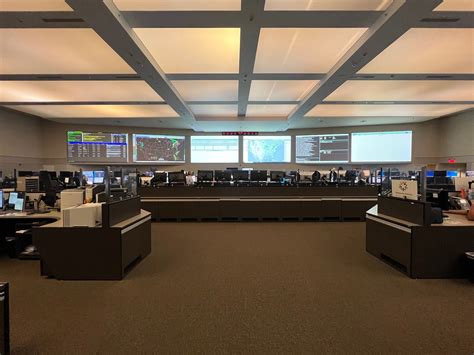
The incident first came to light after internal FAA technology personnel reportedly identified unusual activity tied to a government device assigned to DelleChiaie. Investigators say the employee brought the laptop to the agency’s IT department and requested deletion of browser history records, a move that immediately raised concerns among staff members responsible for monitoring federal systems.
According to affidavits cited in reports, investigators later uncovered searches involving detailed questions about security protocols at federal buildings and violent acts involving political leaders. Authorities claim one of the searches allegedly included a direct statement expressing intent to kill Donald Trump.
Federal agencies treat such language with extreme seriousness, particularly when it appears on government-owned equipment. Security analysts note that digital searches alone do not automatically establish intent to commit violence, but they often serve as early warning indicators requiring immediate investigation.
Officials also allege DelleChiaie searched for addresses connected to senior government officials, including Vice President JD Vance and Defense Secretary Pete Hegseth. Those details reportedly increased the urgency of the investigation and prompted direct involvement from the Secret Service.
The FAA itself has not been accused of wrongdoing, but the incident has placed renewed attention on how federal agencies monitor employee conduct and protect sensitive operational environments from insider threats.
Government Computers Under Increasing Security Scrutiny
The use of government-issued devices has become a major focus for federal oversight agencies in recent years. Employees across federal departments are subject to extensive cybersecurity monitoring designed to identify suspicious behavior, unauthorized access attempts, and potentially dangerous online activity.
In this case, authorities say internal safeguards worked as intended.
The FAA oversees one of the most sensitive transportation systems in the world, managing air traffic operations, aviation safety regulations, airport infrastructure coordination, and national airspace systems. Because of those responsibilities, employee conduct inside the agency receives heightened scrutiny compared with many other federal workplaces.
Security experts say the alleged misuse of a federal computer for violent or threatening research represents a severe breach of trust, regardless of whether any operational systems were directly impacted.
Investigators reportedly moved quickly once the browsing activity was identified. Threat assessment teams within federal law enforcement agencies are trained to evaluate whether online rhetoric reflects fantasy, anger, political extremism, or a developing operational threat.
Modern digital investigations often involve forensic analysis of browsing histories, communication records, device metadata, and network activity. In many cases, investigators attempt to establish whether an individual merely searched controversial topics or actively moved toward planning harmful actions.
The criminal complaint reportedly argues that the scope and nature of the searches justified immediate intervention.
Rising Threat Concerns Surrounding Political Figures
The arrest comes during a period of elevated concern surrounding threats against American political leaders. Federal authorities have expanded monitoring capabilities in recent years following multiple incidents involving attempted attacks, politically motivated violence, and online radicalization.
Investigators increasingly view internet activity as one of the earliest indicators of possible escalation. Searches involving weapons access, government facility vulnerabilities, or public officials can trigger investigations long before any physical action occurs.
Law enforcement agencies have repeatedly emphasized that preventing violence often depends on identifying warning signs early rather than reacting afterward.
The alleged searches connected to DelleChiaie reportedly included questions about prior presidential assassination attempts and public sentiment toward President Trump. Analysts say those types of searches can become especially concerning when combined with explicit violent language or attempts to conceal activity.
Federal investigators also examine behavioral patterns surrounding digital activity. Requests to erase browsing history, use of encrypted communications, or repeated research into security procedures may influence how authorities assess potential risk levels.
Although no attack occurred, officials appear to have treated the situation as a credible enough concern to justify rapid arrest and prosecution.
FAA Employee Case Highlights Insider Threat Challenges
Cases involving government employees often create additional concern because insiders may possess familiarity with federal procedures, security operations, or infrastructure systems unavailable to the general public.
While there is no indication the allegations involved aviation systems directly, the FAA’s central role in national transportation security has amplified public attention surrounding the case.
Federal agencies across the United States have spent years strengthening insider threat detection programs designed to identify employees exhibiting concerning behavior patterns. These programs combine cybersecurity monitoring, personnel reporting systems, behavioral analysis, and law enforcement coordination.
The incident also underscores the growing importance of internal reporting mechanisms. According to reports, FAA technology personnel acted quickly after detecting irregular behavior involving the work computer. That response likely accelerated the federal investigation before authorities believed any threat could develop further.
Security specialists argue that rapid reporting procedures are essential because modern threats often emerge digitally before appearing physically. Online searches, forum activity, social media posts, and internal communications can all become critical investigative evidence.
As the legal process moves forward, additional details may emerge regarding the timeline of the searches, the extent of communications with investigators, and whether prosecutors believe there was any actionable plan beyond online activity.
For now, the case stands as another reminder of how aggressively federal authorities respond to potential threats involving high-ranking political figures, especially when government resources or federal employees become part of the investigation.