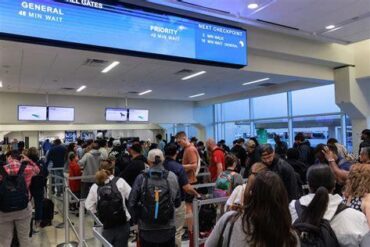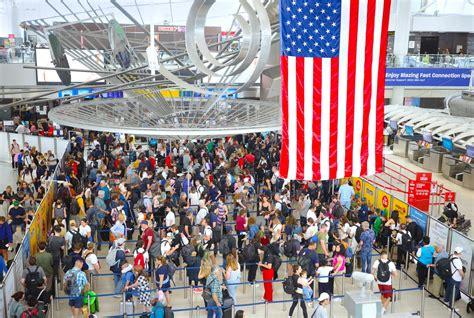
The United States government shutdown has placed thousands of federal employees in an uncertain position, but few have felt the strain as directly as the Transportation Security Administration (TSA) workforce responsible for screening passengers at airports across the country. As paychecks stopped arriving, many officers faced the difficult decision between continuing to serve or seeking other work to support their families. In the middle of this pressure-filled moment, former President Donald Trump publicly thanked TSA officers who continued reporting for duty despite the financial hardship.
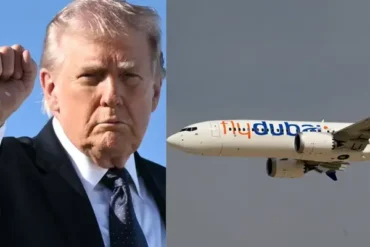
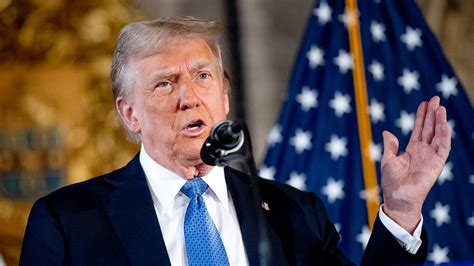
Trump’s message was delivered on his social media platform, Truth Social, where he praised the dedication of agents who remained on the job during the shutdown. In his post, he told officers that their commitment would not be forgotten and encouraged them to keep supporting the nation’s aviation security system. The message appeared shortly after many TSA employees realized they had missed their first full paycheck since the shutdown began.
While political tensions in Washington fueled the shutdown, the daily consequences unfolded inside airports where security officers remained responsible for protecting millions of passengers traveling through the United States’ aviation network.
Government Shutdown Leaves TSA Officers Without Pay
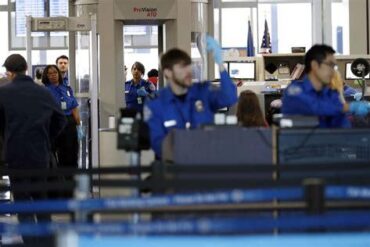
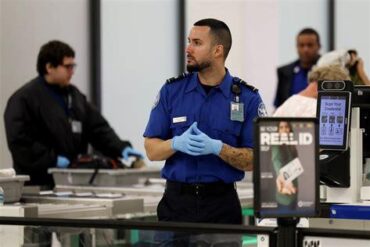
The shutdown began when funding for the Department of Homeland Security (DHS) expired, triggering an immediate halt to pay for roughly 50,000 TSA transportation security officers. Despite the lack of compensation, these workers were classified as essential employees, meaning they were legally required to continue reporting for duty.
For many officers, this created an enormous financial burden. Rent payments, mortgage bills, childcare costs, and everyday expenses did not pause simply because federal funding had stalled. Some employees were forced to consider temporary jobs outside the agency just to maintain their households.
Reports indicated that approximately 300 TSA employees left the agency after the shutdown began, while many others took unscheduled absences as they searched for additional income sources. The staffing gap quickly began affecting airport operations.
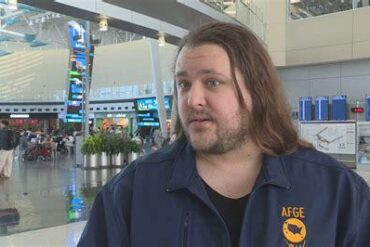
One TSA officer described the emotional toll in stark terms, explaining that many employees felt invisible despite carrying enormous responsibilities. Families depended on their income, yet the shutdown left them effectively working without pay while continuing to manage one of the country’s most critical security functions.
Trump’s Message to TSA Officers
Trump’s statement arrived during this moment of uncertainty. In his message, he thanked officers who continued working and urged them to remain committed to their responsibilities. He emphasized that their dedication to national security would not be forgotten.
The statement also included criticism of political opponents, whom he blamed for the ongoing budget stalemate. At the same time, the central message focused on the workers themselves. Trump encouraged officers to “keep fighting for the USA” and reassured them that their sacrifice would be remembered once the political dispute ended.
The timing of the message carried symbolic weight. It appeared shortly after the first fully missed paycheck reached TSA workers’ bank accounts, reinforcing how immediate the financial impact had become for many families.
Airport Security Lines Grow Across the United States
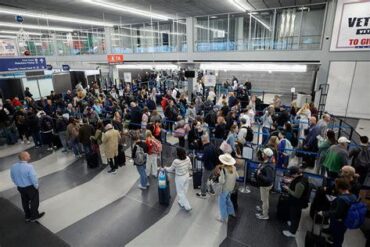
As staffing shortages grew, travelers began noticing the consequences at airport checkpoints. Security lines lengthened significantly at several major airports as fewer officers were available to manage passenger screening.
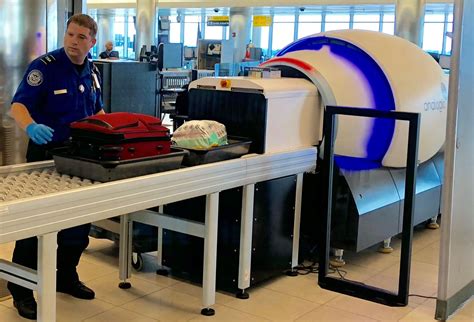
At Austin-Bergstrom International Airport (AUS), travelers reported security queues stretching outside the terminal building. Similar delays appeared at Philadelphia International Airport (PHL), Louis Armstrong New Orleans International Airport (MSY), and Houston Hobby Airport (HOU). Airports attempted to adjust operations to cope with the reduced workforce, but delays became increasingly difficult to avoid.
Passengers generally showed patience toward TSA officers, recognizing that the staff working checkpoints were not responsible for the shutdown. Still, long wait times created stressful situations, especially during busy travel periods.
Spring break travel demand was rising across the United States, placing additional pressure on an already strained system. Each day of the shutdown increased the risk that staffing levels could fall further.
Security Incidents Add Pressure on TSA Staff
Beyond long lines, TSA officers also faced occasional confrontations from frustrated passengers. One particularly serious incident occurred at Dallas Love Field (DAL) when a traveler from California failed an identity verification check and reacted aggressively.
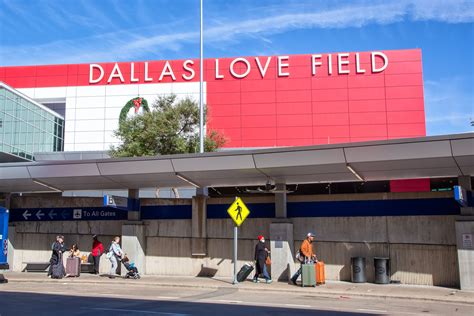
The passenger reportedly punched TSA officers before injuring a responding police officer. Law enforcement quickly intervened, and the individual was arrested and charged. Authorities emphasized that violence against security personnel would be prosecuted to the fullest extent.
Officials including U.S. Attorney Ryan Raybould for the Northern District of Texas reminded travelers that TSA officers and airport law enforcement are responsible for maintaining public safety. Any attempt to assault or threaten them would result in serious legal consequences.
Incidents like this added another layer of stress for employees already working under difficult financial conditions.
The Political Standoff Behind the Shutdown
The shutdown itself emerged from a political impasse between Republican and Democratic lawmakers, primarily centered on immigration policy and broader federal spending priorities. Until Congress approves new funding legislation for the Department of Homeland Security, the shutdown continues to affect TSA workers and other federal employees.
Across the 430 airports served by TSA personnel, the agency has attempted to maintain operations. However, some airports have adjusted checkpoint hours or shifted staffing resources depending on available personnel.
Union representatives for TSA officers have warned that prolonged shutdowns could cause deeper staffing problems if more employees leave the agency. Replacing trained security officers requires extensive background checks and specialized training, meaning new hires cannot immediately fill the gap.
Financial Relief May Come Later—But the Strain Is Immediate
Historically, federal employees receive full back pay once a government shutdown ends. However, this promise offers little comfort to workers who rely on consistent paychecks to meet immediate financial obligations.
During a previous shutdown, the government offered a $10,000 bonus to employees who continued working throughout the crisis. Whether a similar incentive will appear this time remains uncertain.
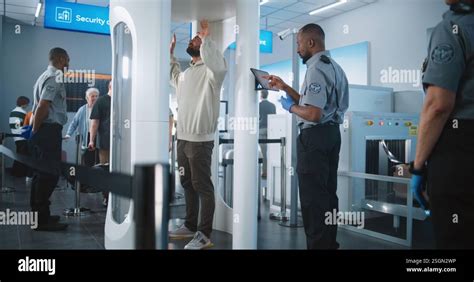
For now, thousands of TSA officers continue reporting for duty each day, maintaining airport security even while their own financial futures remain uncertain. Their role in protecting the aviation system has never been more visible, especially as travelers pass through crowded checkpoints and see firsthand the people responsible for keeping the skies safe.
FAQs
Why are TSA officers working without pay during the shutdown?
TSA officers are classified as essential federal employees. This means they must continue working during a government shutdown even when funding lapses and paychecks temporarily stop.
Will TSA workers receive their missed paychecks?
Yes. Historically, Congress approves back pay once government funding is restored, meaning employees are compensated for the time they worked without pay.
How has the shutdown affected airport operations?
The shutdown has led to staffing shortages, longer security lines, and operational adjustments at multiple U.S. airports as TSA attempts to maintain screening operations with fewer available officers.