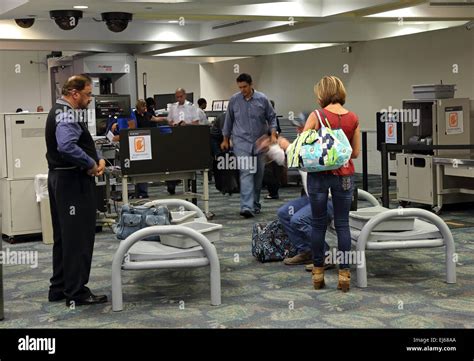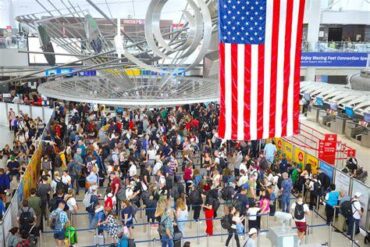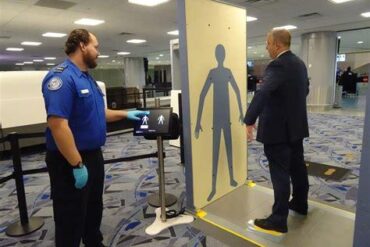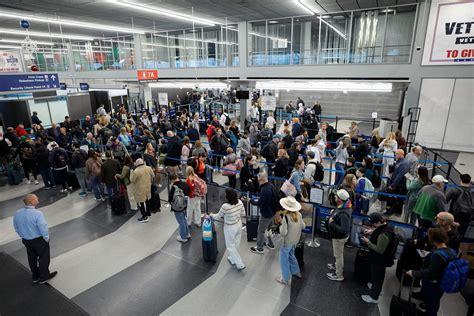
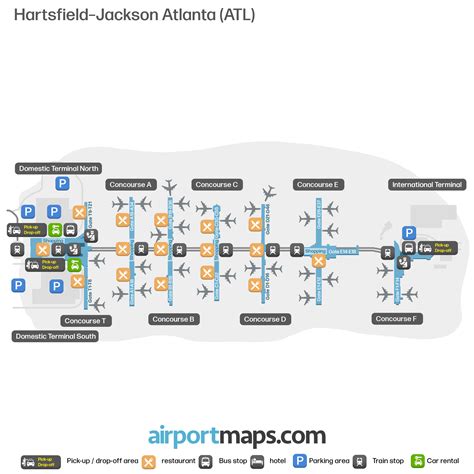
Hartsfield-Jackson Atlanta International Airport (ATL), the world’s busiest airport, is now seriously exploring the possibility of replacing Transportation Security Administration (TSA) screeners with private security contractors following a tumultuous government shutdown that left over a third of TSA staff absent. The disruption in March caused chaos across terminals, with massive lines snaking through baggage claims, spilling into concourses, and stretching outside airport doors, leading to unprecedented delays and hundreds of flight cancellations. With more than 100 million travelers passing through ATL annually, the airport’s leadership is confronting a critical question: how to maintain security operations when federal personnel are unavailable.
The consideration to pivot toward private screening comes as Atlanta faces an operational vulnerability unique to public-sector dependency. Unlike approximately 20 U.S. airports that already employ private contractors under TSA oversight, Atlanta has historically relied exclusively on federal screeners. During the recent shutdown, an estimated 36% of TSA personnel did not report to work when their pay was suspended. The resulting operational gridlock highlighted the fragility of the airport’s dependence on federal workers and underscored the urgency for alternative strategies that ensure uninterrupted security and passenger flow.
Atlanta City Council recently approved a feasibility study to investigate the transition. Councilman Byron Amos emphasized that private security staffing could mitigate operational risks tied directly to government shutdowns. “We have to realize the number one customers at the airport are you, the passengers,” he told CBS News. “The number one thing about this program is that it is not tied to a TSA budget that can be caught up in a government shutdown.” The study’s results, expected in 90 days, will guide whether ATL will move to a privatized model or continue with traditional TSA operations, maintaining Category X security standards—the highest tier for risk at U.S. airports.
ATL’s challenges are not theoretical. During the March shutdown, wait times ballooned past 90 minutes to several hours, heavily impacting airlines and travelers nationwide. The Federal Aviation Administration reported a 5% to 10% operational reduction at airports across the country, reflecting the ripple effects of Atlanta’s security bottleneck. City leaders, including Mayor Andre Dickens, implemented emergency measures to support TSA staff, issuing free airport parking and meal vouchers for federal employees working without pay. Community support also surfaced prominently, with filmmaker Tyler Perry donating $250,000 in Visa gift cards to assist struggling TSA staffers.
The financial ramifications of privatization are substantial. Federal screening operations at ATL cost between $140 million and $240 million annually. Moving to private contractors could shift funding sources and provide payroll continuity during federal shutdowns, avoiding future service interruptions. The TSA Screening Partnership Program (SPP), which already oversees private security at multiple airports, serves as a blueprint for how private contractors can operate under TSA supervision while maintaining regulatory compliance. Unlike traditional federal employment, the SPP allows compensation, health benefits, and wages to match federal levels, ensuring that employees who transition to private entities do not lose economic security.
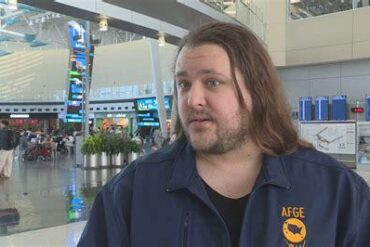
Union concerns, however, remain significant. The American Federation of Government Employees represents roughly 47,000 TSA workers and is vocally opposed to privatization. Union leaders argue that private operators’ profit-driven motives could compromise safety standards and working conditions. Additionally, transitioning to private employment can weaken collective bargaining leverage, potentially requiring union reforms under private labor law frameworks. Council member Kelsea Bond highlighted the potential economic implications for the metro Atlanta area, noting that thousands of public-sector jobs and associated local wages could be affected if privatization proceeds.
Despite opposition, the potential benefits for operational resilience are compelling. Private contractors provide a mechanism to insulate airport security from federal budgetary and political disruptions. San Francisco International Airport (SFO), which utilizes private screening staff under TSA oversight, was cited by ATL officials as a successful model. SFO reportedly maintained smooth security operations throughout the shutdown period, demonstrating that privatized staffing can prevent bottlenecks and avoid cascading effects on airline schedules.
The feasibility study will also explore the logistics of retaining existing TSA employees within the privatized system. Current federal workers will have first right of refusal for positions under private contractors, and their pay and benefits are safeguarded under SPP regulations. This arrangement aims to maintain workforce continuity while providing the airport flexibility to operate without disruption. The overarching goal is dual: protect travelers from prolonged delays and safeguard security operations from external political or financial pressures that could compromise efficiency.
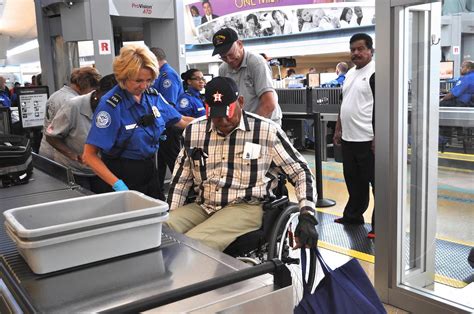
Operational efficiency, financial sustainability, and employee welfare are intertwined in this complex decision. Atlanta’s leadership must balance public expectations with union rights and security imperatives. Privatization offers a pathway to continuous operations during government crises, yet it introduces uncertainties around corporate oversight, accountability, and labor relations. The feasibility study will be instrumental in modeling these outcomes, incorporating historical data from shutdowns, current labor statistics, and comparative case studies from other airports.
Beyond immediate operational concerns, ATL’s potential shift could signal a broader trend in airport security management nationwide. If Atlanta—the world’s busiest airport—successfully implements a private screening model without compromising safety, other major hubs may consider similar strategies to avoid shutdown-related disruptions. The implications for labor unions, federal oversight, and airport economics could be profound, potentially redefining the landscape of U.S. aviation security.
City leaders are also factoring in the human dimension. During the shutdown, low morale and financial strain led to mass resignations of TSA staff nationwide, including about 300 departures from ATL alone. Providing alternative employment through private contractors with guaranteed pay continuity could stabilize the workforce and reduce turnover. Emergency measures like meal vouchers and parking concessions, while necessary, are not sustainable solutions. Privatization under SPP could institutionalize workforce security in a way that mitigates the personal hardships of federal shutdowns.
In conclusion, Hartsfield-Jackson Atlanta International Airport stands at a crossroads between federal tradition and private-sector innovation. The stakes are high: maintaining the world’s busiest airport’s operational integrity, safeguarding tens of thousands of jobs, and ensuring passenger safety in a politically volatile environment. The results of the feasibility study will determine whether ATL pioneers a new era of privatized security for Category X airports, potentially serving as a model for the nation. Travelers, employees, and policymakers alike are watching closely, recognizing that the decisions made here could redefine how airports balance public oversight with private efficiency.