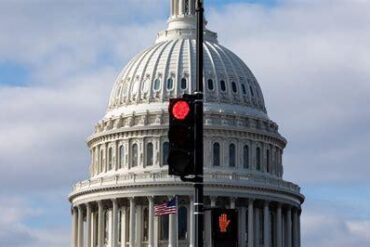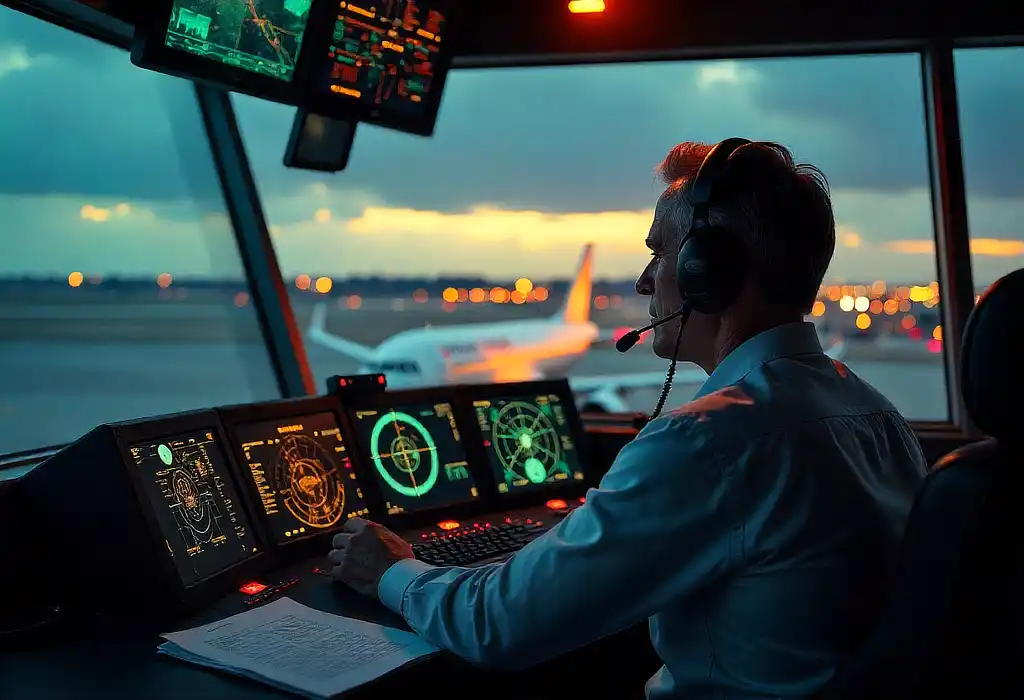
The United States has once again entered a government shutdown, and its ripple effects on the aviation industry are already being felt across airports nationwide. With Congress failing to reach a budget agreement before the deadline, key federal agencies that safeguard and manage American air travel are now operating under restrictions. For passengers, airlines, and aviation workers, this development is more than just an inconvenience—it is a direct threat to efficiency, safety, and the country’s fragile progress in modernizing its air traffic systems.
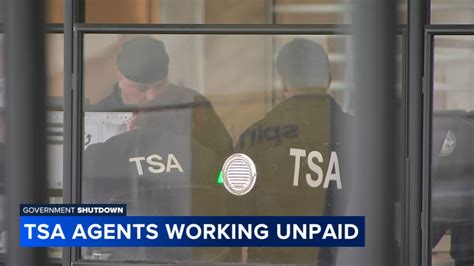
When the federal government ceases normal operations, non-essential employees are furloughed while essential personnel, including air traffic controllers and Transportation Security Administration (TSA) screeners, are forced to work without pay. While flights continue to operate, the backbone of the system is weakened. Advocacy groups, airlines, and workers alike warn that without a rapid resolution, the impact could quickly escalate into severe delays, staff shortages, and compromised aviation safety.
How The Shutdown Disrupts U.S. Aviation Infrastructure
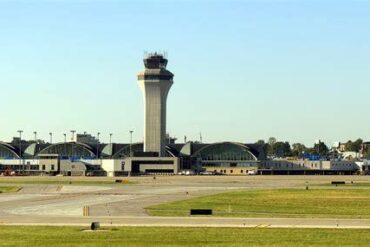
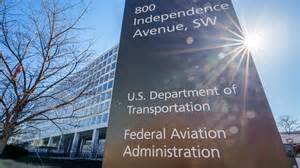
The U.S. aviation system is deeply intertwined with federal oversight. Agencies such as the Federal Aviation Administration (FAA), Transportation Security Administration (TSA), and National Transportation Safety Board (NTSB) form the invisible framework that keeps the skies safe and airports running. When Congress fails to fund the government, these agencies cannot operate at full capacity.
During the current shutdown, thousands of employees have been ordered to stay home without pay, while others deemed essential—such as air traffic controllers and TSA screeners—must continue working under financial duress. This not only places personal stress on workers but also erodes the reliability of aviation services. Historically, as seen in the 2018–2019 shutdown, unpaid employees increasingly called in sick, causing staff shortages that amplified delays and slowed security checkpoints.
Advocacy group Airlines for America (A4A) has issued stern warnings about the consequences. The group emphasized that aviation is the safest mode of transportation precisely because of rigorous oversight and staffing, and that pulling resources or forcing employees to work unpaid undermines both safety and efficiency.
The Immediate Effects: Delays and Passenger Strain
Already, U.S. travelers are seeing signs of the pressure. According to FlightAware data, on the first full day of the shutdown:
- 287 United Airlines flights experienced delays.
- 239 American Airlines flights were delayed.
- 228 Delta Air Lines flights also faced disruptions.
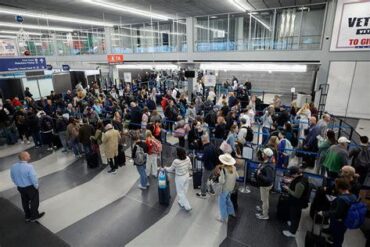
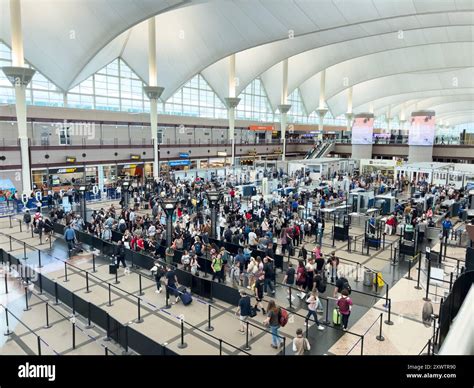
These figures highlight the early turbulence caused by stretched staffing and system stress. The TSA’s reduced morale and potential attrition may lead to longer lines at security checkpoints. The FAA’s inability to train or hire new air traffic controllers during the shutdown adds to the strain, leaving the system brittle at a time when U.S. air travel is experiencing record passenger volumes.
For travelers, this means more time spent in queues, heightened uncertainty about flight schedules, and the risk of cascading cancellations when delays pile up. For airlines, the shutdown compounds operational headaches already caused by tight staffing, high fuel costs, and global supply chain challenges.
Safety Concerns Escalate Amid Worker Fatigue
The safety implications of a prolonged shutdown cannot be overstated. Aviation relies not only on advanced technology but also on a finely tuned workforce of inspectors, controllers, and investigators. Under shutdown conditions:
- FAA inspectors tasked with overseeing airline compliance and maintenance checks are furloughed, reducing oversight of aircraft safety.
- NTSB investigators are unable to respond to incidents in real time, delaying crucial safety investigations. During the 2018–2019 shutdown, 87 investigations were delayed, raising concerns about systemic blind spots.
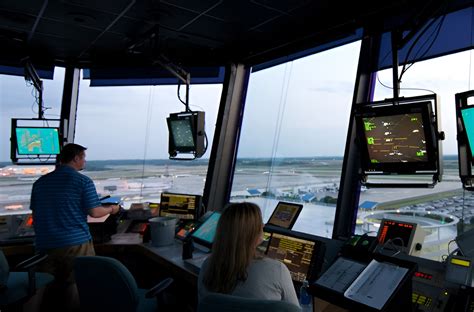
- Air traffic controllers must continue to direct flights without pay, creating a high-risk environment of fatigue, stress, and potential burnout.
These gaps threaten to undo years of progress. Just prior to the shutdown, Congress had approved $12.5 billion to modernize the FAA’s outdated air traffic control system—a long-overdue upgrade that risked being sidelined. Likewise, the Department of Transportation’s efforts to recruit new controllers to alleviate shortages could stall, further exacerbating safety risks.
Lessons From the 2018–2019 Shutdown
The last major government shutdown, lasting from December 2018 to January 2019, provides a sobering case study of what lies ahead if the current crisis drags on. During that period:
- Thousands of TSA officers called in sick, forcing some airport checkpoints to close.
- Air traffic controllers reported unsustainable levels of fatigue.
- The FAA was unable to approve new routes, training programs, or certifications, halting progress in critical areas.
- Airlines faced mounting costs as delays multiplied and travelers lost confidence in the system.
By the time the shutdown ended, the U.S. aviation sector had suffered reputational damage, financial losses, and operational setbacks that took months to recover from. Industry leaders fear a repeat scenario, particularly as today’s aviation market is still regaining stability after the disruptions of the COVID-19 pandemic.
Broader Ramifications Beyond The Airports
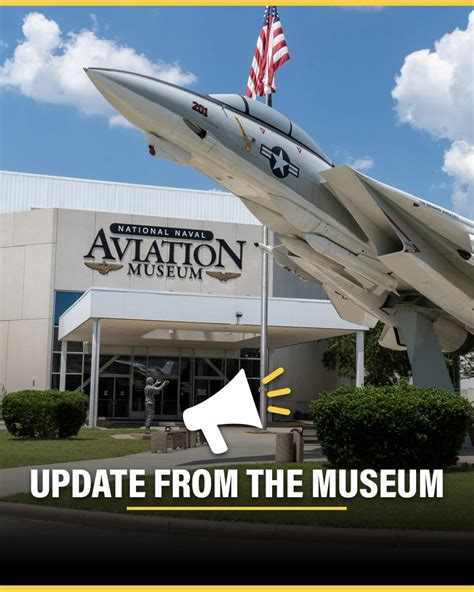
The shutdown’s reach extends far beyond terminals and control towers. International travelers may experience delays in passport and visa processing, complicating business and leisure travel. The closure of aviation-linked cultural institutions, such as the National Naval Aviation Museum, also underscores the wider disruption to aviation-related industries.
Additionally, the shutdown carries an economic toll. The aviation sector supports millions of U.S. jobs and contributes hundreds of billions of dollars to GDP. Delays, reduced passenger confidence, and disrupted supply chains impact not only airlines but also airports, tourism, and logistics companies. With aviation serving as a critical artery for commerce and trade, prolonged instability risks choking economic momentum.
The Human Cost: Aviation Workers Under Pressure
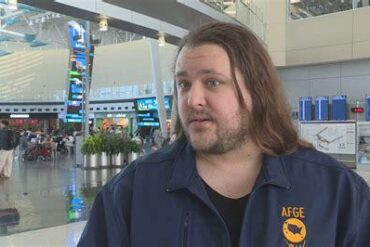
Behind the statistics and headlines are the people who keep aviation running. Controllers, inspectors, and security officers face the stress of maintaining national air safety while struggling with unpaid bills and family obligations. In statements, unions representing air traffic controllers and TSA officers describe the situation as unsustainable, warning that worker morale could collapse if the shutdown continues.
The dedication of these employees has been praised by airlines and passengers alike, but goodwill alone cannot replace fair compensation. Forcing critical safety workers to remain on duty without pay risks eroding trust in government institutions and undermines long-term workforce retention.
A Shrinking Window For Resolution
While advocacy groups like Airlines for America are lobbying Congress to find a solution, political gridlock shows little sign of easing. Each day the shutdown persists, the pressure on the aviation system grows. Delays compound, backlogs worsen, and safety oversight erodes further.
The U.S. government’s inability to provide stable funding to its aviation agencies is not merely a bureaucratic lapse; it is a direct assault on the safety, reliability, and global reputation of American aviation. With passenger demand at record highs and modernization projects hanging in the balance, the stakes are higher than ever.
Conclusion: The High Cost of Political Stalemate
The current government shutdown reveals, yet again, the fragility of America’s aviation infrastructure when political battles override national interests. Passengers are already enduring longer waits and mounting delays. Workers are stretched thin, performing critical roles without pay. Safety oversight is eroding, modernization projects are stalling, and the broader economy is absorbing the shockwaves.
Unless Congress acts swiftly to restore funding, the shutdown will deepen into a systemic crisis for U.S. aviation, one that threatens not only today’s travelers but also the long-term future of America’s leadership in global aviation. In an industry where seconds matter and safety is paramount, prolonged political paralysis is a risk the nation cannot afford.