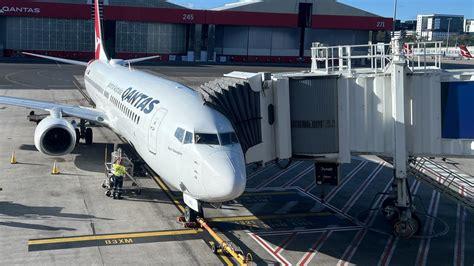
A devastating accident involving a Qantas ground worker at Sydney Kingsford Smith Airport has intensified national concerns about workplace safety in the aviation industry. The incident, which saw 51-year-old Olivia Hristovska plummet six meters through a jet bridge during routine operations, has triggered widespread scrutiny of ground handling protocols, particularly those concerning structural inspections and employee protections. The tragedy has become a rallying point for reform, spotlighting long-ignored risks inherent in airport ground operations.
The Tragedy That Shook the Industry
On an otherwise ordinary afternoon shift, Olivia Hristovska was conducting a routine check on a jet bridge at Sydney Airport. Without warning, she stepped onto what appeared to be a solid surface but was in fact a hazardous gap in the jet bridge’s sidewall. The fall, captured by CCTV footage, left her with multiple severe injuries and critical brain trauma. Rushed to Royal Prince Alfred Hospital, she was placed in an induced coma, leaving her family—especially daughters Monique and Sienna—grappling with an uncertain and emotionally draining aftermath.
The incident’s shock factor stems not only from the injury itself but from where and how it happened. Jet bridges are heavily regulated structures designed to ensure safe and secure boarding processes. That such a gap could exist undetected raises urgent questions about maintenance procedures, safety audits, and accountability.
A Family in Crisis, a Nation in Reflection
In the weeks following the fall, Hristovska’s condition remained precarious. Although doctors later discharged her, she emerged with lasting impairments. Her daughters publicly criticized Qantas for its silence and inadequate response. According to Monique, there was a disturbing lack of communication from the airline, leaving the family uninformed and unsupported during a time of acute distress.
Monique described her mother as having lost a “significant part of her identity,” a sentiment echoed across Australia’s labor community. The family’s pain became emblematic of a larger conversation: how do we protect those working behind the scenes in aviation? The incident, tragic as it is, has become a sobering wake-up call for both the industry and its regulators.
An Industry Under Investigation
In response to public and media pressure, SafeWork NSW initiated a comprehensive investigation into the incident. The probe is expected to examine:
- The structural integrity and inspection history of the jet bridge.
- Training procedures and workplace safety protocols for ground crew.
- The responsibility matrix between Qantas and Sydney Airport regarding maintenance.
Initial insights suggest that gaps may exist in both technical inspections and administrative oversight. Industry insiders are already bracing for potentially damaging revelations, as the investigation could extend over two years and include both corporate and government stakeholders.
The Culture of Complacency in Ground Handling
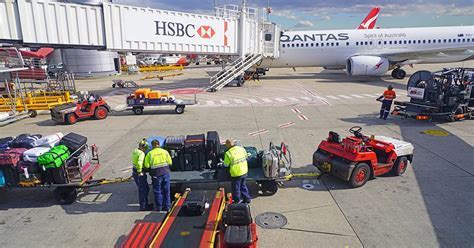
Despite being generally considered a safe occupation, ground handling work carries inherent risks. Workers operate around heavy machinery, moving aircraft, and complex infrastructure—all of which require stringent safety protocols. The rarity of incidents often lulls stakeholders into a false sense of security, a mindset the Hristovska case has forcefully shattered.
The fact that such a catastrophic failure occurred during routine duties rather than in a high-risk operation underscores a deeper concern: complacency. In industries where perceived safety is high, oversight mechanisms can weaken, and prevention systems become procedural formalities instead of active safeguards.
A Wake-Up Call for Qantas and the Broader Aviation Sector
Qantas, long-regarded as one of the world’s safest airlines, now finds itself navigating a reputational crisis. While the airline has publicly committed to cooperating with regulators, critics argue that its initial response was not only slow but also lacking in empathy and transparency.
This is not just a Qantas issue. The aviation industry as a whole must reevaluate how it views and treats its ground handling operations. Often invisible to passengers, these roles are vital to flight safety, punctuality, and operational efficiency. If an accident like this can happen at Australia’s busiest airport, it can happen anywhere.
Emotional Fallout and Psychological Toll
Beyond the physical injuries, the psychological trauma experienced by Hristovska and her family is immeasurable. Her daughters have had to balance caregiving responsibilities with full-time lives, all while battling a corporate wall of silence. The absence of psychological counseling, financial assistance, or even consistent updates has amplified their distress.
The emotional fallout is compounded by a perceived lack of accountability. Despite repeated outreach, the family claims Qantas failed to offer meaningful support. This is not just a policy failure—it is a human failure that has resonated deeply across the nation.
Legislative and Regulatory Implications
Following the public outcry, labor unions and aviation safety experts are demanding sweeping reforms. These include:
- Mandatory real-time safety monitoring of critical infrastructure like jet bridges.
- Implementation of whistleblower protections for workers reporting unsafe conditions.
- Government-mandated incident support frameworks for affected workers and their families.
Several federal MPs have echoed these demands, stating that the current regulatory framework is outdated and lacks teeth. Proposed amendments to Australia’s Work Health and Safety Act may soon include special clauses dedicated to high-risk environments like airports.
Reimagining Safety in Ground Handling
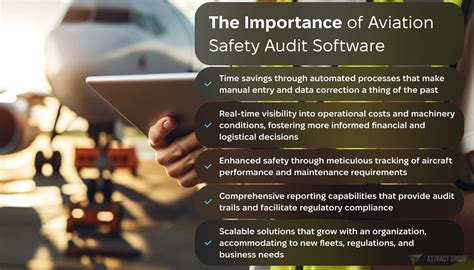
To prevent future tragedies, the industry must move beyond compliance checklists and towards a culture of proactive risk management. This includes leveraging technology—such as AI-powered predictive maintenance systems—and ensuring every ground handler has access to real-time hazard alerts.
Crucially, safety must be made everyone’s responsibility—from executives and middle management to front-line workers. Every accident must serve as a case study, and every protocol should be open to reexamination. The need for a zero-incident culture is not aspirational; it is essential.
Conclusion: A System Demanding Reform
The fall of Olivia Hristovska is not just an isolated incident—it is a watershed moment. It has exposed the fragile underbelly of a system that prides itself on safety but occasionally falters where it matters most: protecting its people. The time for reflection is over. The time for reform is now.
Qantas must lead this change, not simply react to it. Regulatory bodies must follow through with robust investigations and enforce new safety mandates. And above all, the aviation industry must reaffirm its duty of care to those who form its foundation—the workers on the ground.
Until meaningful action is taken, the scars left by this tragedy will remain—not just on one family, but on an entire industry that failed to act before it was too late.