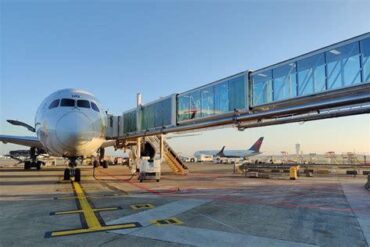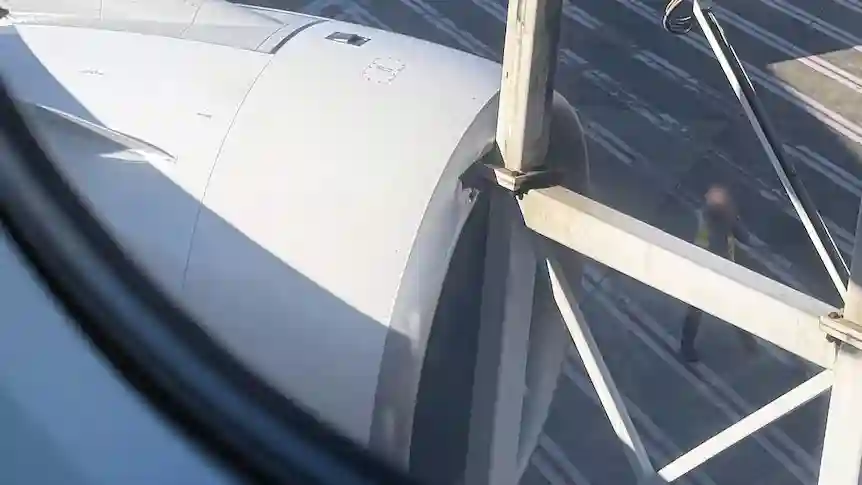
Australia’s aviation safety spotlight has intensified following a serious aerobridge mishap at Sydney Kingsford Smith Airport, which inflicted substantial damage on a Qantas Airbus A380 and triggered a delay of nearly 21 hours to a flagship QF63 route to Johannesburg. The incident, which unfolded in the early hours of Saturday, July 12, 2025, has prompted a formal investigation by aviation authorities and sparked renewed concerns over ground-handling safety at one of Australia’s busiest international gateways.

Engine-Striking Aerobridge Disrupts International Operations
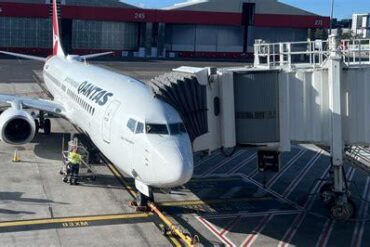
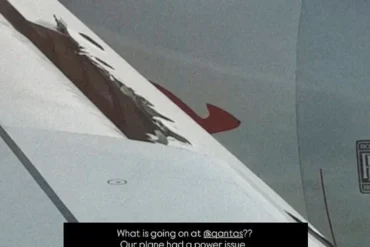
As ground crews prepared the A380 for boarding at a Sydney Airport international terminal gate, an aerobridge — typically a secure conduit for passenger embarkation — reportedly malfunctioned or was mishandled, making direct contact with one of the Rolls-Royce Trent 900 engines mounted under the aircraft’s left wing. The impact was forceful enough to rupture the engine cowling, leaving visible structural damage to both the upper and lower sections of the casing.
This damage rendered the aircraft unfit for immediate flight. Flight QF63, bound for Johannesburg, which was scheduled to depart at 9:30 AM, had to be abruptly cancelled, causing immense disruption for hundreds of passengers. The aircraft was removed from service and relocated for engineering inspection, and passengers were disembarked from the lower deck, which was unaffected structurally.
Rapid Airline Response and Passenger Care
Qantas, maintaining its long-standing commitment to safety, quickly moved to assist affected travelers. Hotel accommodations, transport vouchers, and meal credits were extended to all stranded passengers. Customer service staff were mobilized in the terminal to rebook tickets and provide on-the-ground support.
A Qantas spokesperson released an official statement soon after the event:
“Safety is our number one priority. We’re working closely with Sydney Airport to determine what caused this rare event. Our engineers are inspecting the aircraft to ensure full structural integrity before it returns to service.”
While no injuries were reported among passengers or ground crew, the emergency disembarkation and long wait times led to widespread frustration. The replacement flight eventually took off at 6:45 AM the following day, July 13, marking an overall delay of nearly 21 hours.
History of Safety Lapses Raises Alarms
This incident marks the second significant aerobridge-related accident at Sydney Airport in less than six months. In May 2025, a Qantas customer service supervisor suffered serious injuries after falling nearly six meters due to a structural failure in an aerobridge. The resulting injuries were severe, leaving the staff member with permanent disability and triggering calls for a full-scale review of aerobridge maintenance procedures and safety protocols.
Labour unions and workplace safety advocates have been increasingly vocal, demanding better inspection regimes and investment in ground-side infrastructure upgrades. The recurrence of these types of incidents, especially involving Australia’s flagship carrier, has underscored growing vulnerabilities in the operational safety net.
Ongoing Investigation Involving CASA and Qantas Engineering
The Civil Aviation Safety Authority (CASA) has been formally briefed on the incident and is expected to coordinate with Qantas and Sydney Airport authorities to launch a comprehensive inquiry. At the heart of the probe will be determining whether the aerobridge malfunction was due to a mechanical failure or human error.
According to sources within Qantas Engineering, the A380 will undergo a multi-phase inspection, focusing on:
- Structural damage to the engine cowling
- Integrity of internal engine components
- Potential knock-on effects to fuselage or wing areas
If any internal engine parts were impacted, replacement components — likely requiring international sourcing due to the limited availability of Rolls-Royce parts — could significantly extend the aircraft’s downtime.
This inspection will also be logged for internal safety audits and reported to CASA as part of Qantas’s ongoing compliance obligations.
Passenger Reactions: Mixed Emotions, Missed Connections
Reactions among the stranded passengers ranged from appreciation for the airline’s swift logistical support to irritation at the lack of timely updates. Several passengers took to social media, expressing frustration over long periods of silence and unclear rebooking procedures.
One traveler, bound for a wedding in Pretoria, posted on X (formerly Twitter):
“I get that safety comes first, but being stuck in limbo at the terminal with zero real updates was frustrating. I missed my brother’s wedding.”
Others, including business travelers and tourists with safari excursions booked, reported missed connections in Johannesburg and complicated re-routing via other carriers. Qantas has acknowledged these challenges and promised to review its incident communication protocols.
Impact on Qantas’ Operational Reputation
Though Qantas remains one of the world’s safest and most trusted airlines, this mishap places pressure on the company to reinforce its safety protocols — especially around ground operations and third-party handling services. The A380 fleet, while robust and capable, requires specialized equipment and trained personnel due to its immense size and complexity.
With global competition rising and increased scrutiny from international regulators, any lapse — mechanical or procedural — can risk not only safety but also brand equity and customer trust.
Aviation analysts note that the nature of the damage implies that strict checks were either missed or misapplied, which in itself may suggest deficiencies in Sydney Airport’s Standard Operating Procedures (SOPs) for jetbridge alignment and vehicle marshaling.
Broader Concerns Over Ageing Airport Infrastructure
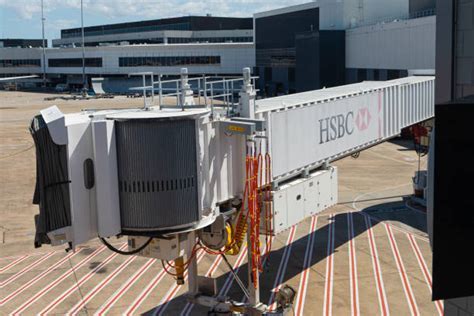
The accident has once again raised the issue of whether Australian airports, despite their high passenger traffic and world-class terminals, are suffering from deferred maintenance and underfunded upgrades to essential ground infrastructure. As newer, larger aircraft become routine visitors, older airport systems — such as aerobridges, power units, and ground tow equipment — face increasing pressure to perform flawlessly.
Critics are now calling for the Department of Infrastructure, Transport, Regional Development and Communications to commission a nationwide audit on jetbridge conditions, particularly at high-volume hubs like Sydney, Melbourne, and Brisbane.
Such an audit could include:
- Structural fatigue analysis of older aerobridges
- Operator training certification reviews
- Emergency contingency procedures for boarding disruptions
What Happens Next?
Qantas engineers will continue their examination of the affected A380, and CASA is expected to release a preliminary report within two weeks. The full investigation, depending on findings, could result in mandated changes to ground handling protocols or aerobridge servicing schedules across the airport.
There may also be financial consequences if the damage qualifies under insurance thresholds or leads to regulatory fines. Qantas, though unlikely to face penalties directly unless internal fault is proven, may be held to new compliance standards for its role in overseeing ground services.
For now, the airline has grounded the specific A380 involved until all repairs are completed and signed off — a process that may stretch into several weeks depending on component availability.
Conclusion: A Defining Test for Ground Safety Reform
The aerobridge collision that grounded a Qantas A380 has turned into far more than a one-off equipment failure. It is now a litmus test for how seriously the aviation sector — from airlines to airport authorities — addresses ground-side safety. For passengers, the inconvenience was real. For the airline, the stakes are higher than just missed flights — it’s about rebuilding trust and restoring confidence.
This event should serve as a catalyst for wider reflection on whether existing ground-handling protocols at major Australian airports are keeping pace with growing air traffic and aircraft evolution. If managed proactively, Qantas and Sydney Airport could emerge as case studies in how to turn crisis into opportunity — through infrastructure renewal, training enhancement, and transparent accountability.