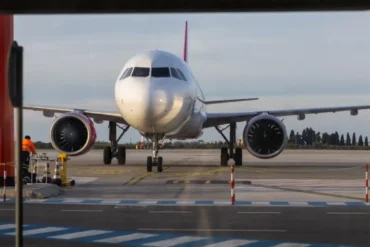
Western Sydney International Airport is one of the most unusual aviation infrastructure projects underway anywhere in the world. Mega-hub airports are typically conceived around massive airline commitments involving dozens or even hundreds of aircraft. Yet Australia’s newest major airport is entering service with firm commitments for only 15 locally based jets, all belonging to the Qantas Group.
At first glance, that figure appears remarkably small for an airport expected to transform aviation in one of the country’s fastest-growing regions. However, the story behind Western Sydney International (WSI) reveals a far more strategic vision. Rather than simply constructing another airport and hoping airlines eventually fill its gates, planners have spent years working closely with carriers to create an aviation hub tailored to real operational needs from day one.
When Western Sydney International opens, it will become Australia’s first major greenfield airport development in more than half a century. Built at Badgerys Creek, approximately 44 kilometers west of Sydney’s central business district, the airport represents one of the most significant infrastructure investments in modern Australian aviation. More importantly, it introduces a fundamentally different approach to airport development, one that blends long-term expansion ambitions with immediate airline partnerships.
Unlike Sydney Kingsford Smith Airport, which operates under strict curfew restrictions, Western Sydney International will function around the clock. This 24-hour capability alone gives airlines opportunities that have historically been unavailable in Australia’s largest metropolitan area. Overnight arrivals, early-morning departures, cargo operations, and more flexible scheduling suddenly become possible on a scale Sydney has never experienced before.
By the standards of global aviation megaprojects, the airport’s opening fleet sounds almost modest. Yet those 15 aircraft could become the foundation for an aviation ecosystem that eventually handles more than 80 million passengers annually.
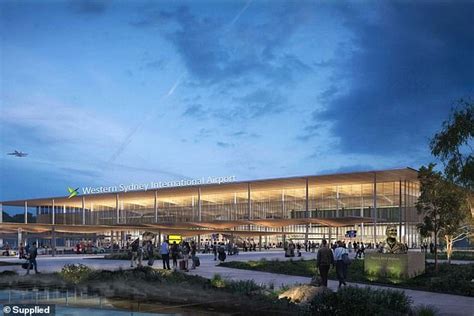
A New Airport Built With Airline Input From The Beginning
Most airports are designed by infrastructure planners, government agencies, and engineering firms before airlines arrive in significant numbers. Western Sydney International took a different route.
In 2019, airport management signed memorandums of understanding with both Qantas Group and Virgin Australia. These agreements gave airlines an opportunity to provide direct feedback during crucial planning stages. Rather than treating carriers as future customers, the airport effectively treated them as development partners.
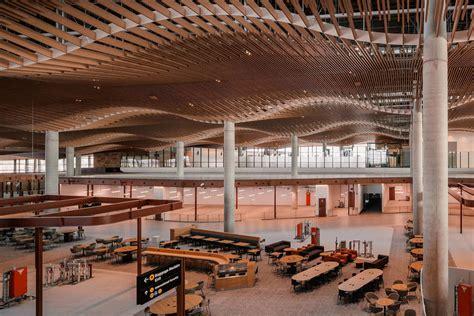
This collaboration extended across numerous operational areas. Airlines were invited to contribute insights regarding terminal layouts, boarding facilities, passenger processing systems, baggage handling technology, security procedures, customer experience design, ground transportation links, and cargo infrastructure.
Such involvement is rare because opportunities to design an airport from scratch seldom emerge in mature aviation markets. For airline executives, Western Sydney represented a once-in-a-generation chance to influence infrastructure before concrete was poured and terminals were finalized.
As construction advanced, Qantas became increasingly visible throughout the project’s development. The carrier’s leadership maintained a strong presence during key milestones, reinforcing the perception that the airline was helping shape not only its future operations but also the airport itself.
This level of engagement created a practical advantage. Rather than adapting existing airport infrastructure to fit airline needs, both parties worked toward creating facilities optimized for future operations from the outset.
Why Just 15 Aircraft Matter So Much
The headline figure of 15 aircraft can sound surprisingly small until the economics are examined more closely.
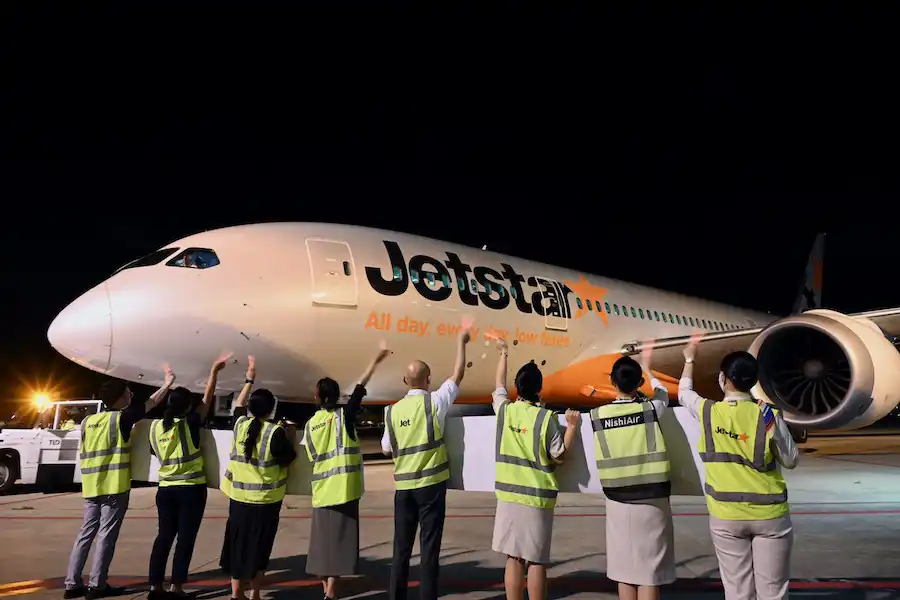
The aircraft assigned to Western Sydney International consist entirely of narrowbody jets operated by Qantas Group subsidiaries. Ten will fly under the Jetstar brand, while five will operate as Qantas aircraft.
Although 15 aircraft may appear insignificant compared with fleets at major global hubs, their collective impact is substantial. Together, these aircraft are expected to operate more than 25,000 flights annually. Those flights will carry millions of passengers and generate hundreds of direct operational jobs.
The significance becomes clearer when viewed against the airport’s initial capacity. During its first phase, Western Sydney International is expected to accommodate up to 10 million passengers annually. Qantas Group aircraft alone could account for approximately four million of those travelers.
In practical terms, nearly half of the airport’s early passenger volume can be linked to a single airline group’s commitment.
This dramatically reduces uncertainty during the critical launch years. Airports often struggle to attract sufficient traffic after opening, especially when competing against established hubs. Western Sydney avoids much of that risk because a substantial portion of its initial demand is already effectively secured.
The arrangement benefits both parties. The airport gains predictable traffic and operational stability, while Qantas secures a privileged position at a facility designed to grow for decades.
Moving Beyond The Traditional “Build It And They Will Come” Model
Historically, many greenfield airports have been built under the assumption that airlines would naturally arrive once infrastructure became available. Sometimes this strategy succeeds. Sometimes it results in years of underutilization.
Western Sydney International reflects a more modern philosophy.
Instead of relying solely on future demand forecasts, planners actively incorporated airline requirements during development. This approach reduces operational friction and ensures that key systems align with carrier expectations from opening day.
Technology has played a major role in this strategy. Advanced baggage handling systems, streamlined passenger processing technologies, and aircraft turnaround optimization were all identified as priorities during planning.
Efficient turnaround times are especially valuable for airlines operating short-haul fleets. Every minute saved on the ground improves aircraft utilization, increases scheduling flexibility, and enhances profitability.
For low-cost operators such as Jetstar, these efficiencies can significantly influence route economics. Faster boarding, improved baggage systems, and optimized gate layouts translate directly into lower operating costs and better aircraft productivity.
Rather than constructing generic infrastructure, Western Sydney has attempted to create an environment specifically suited to the airlines expected to use it most heavily during its formative years.
Learning From Successful International Examples
Western Sydney International is not the first airport project to embrace deep airline collaboration.
One of the most successful examples can be found at Munich Airport in Germany. There, Terminal 2 Satellite was developed through a partnership involving the airport and Lufthansa. The facility was specifically designed to support Lufthansa and its Star Alliance partners.
The results demonstrated the potential benefits of close cooperation between airports and airlines. Passenger volumes grew strongly, operational efficiency improved, and the facility achieved international recognition for service quality.
The lesson was clear: when airport infrastructure is designed with carrier needs in mind, both sides can benefit.
Western Sydney appears to be pursuing a similar philosophy, albeit on a larger long-term scale. While the airport’s opening footprint may be relatively modest, its planners envision a future in which airline growth and infrastructure expansion remain closely aligned.
Rather than constructing oversized facilities that may sit underused for years, the airport can expand in response to demonstrated demand.
International Airlines Are Already Joining The Project
Although Qantas Group will dominate early aircraft basing arrangements, it will not be the only airline operating from Western Sydney International.
Several international carriers have already committed to serving the airport shortly after its opening.
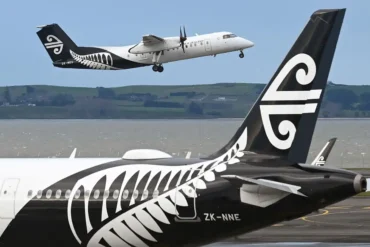
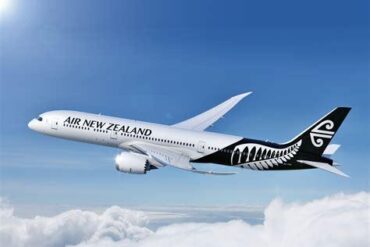
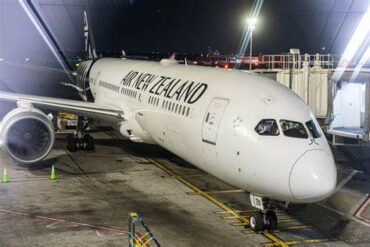
Among the earliest participants are Air New Zealand and Singapore Airlines. Their decisions provide important validation for the airport’s broader ambitions.
Air New Zealand plans to connect the airport with Auckland Airport, while Singapore Airlines intends to complement its existing Sydney operations with services to the new facility.
These commitments demonstrate that airlines see genuine opportunities in Western Sydney’s location and operating model.
The airport’s 24-hour capability is particularly attractive. International carriers often struggle to secure ideal arrival and departure slots at constrained airports. Western Sydney offers greater flexibility, allowing airlines to design schedules around passenger demand rather than curfew restrictions.
As additional carriers evaluate Australian market opportunities, the airport’s unconstrained operating environment may become one of its strongest selling points.
The Infrastructure Behind Australia’s New Aviation Gateway
The airport opening later this year represents only the first stage of a much larger master plan.
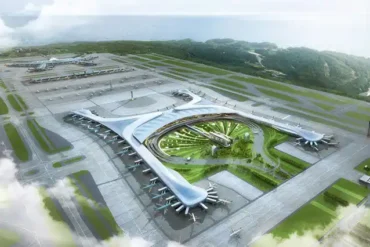
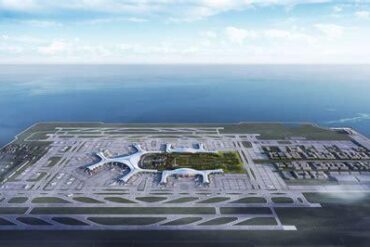
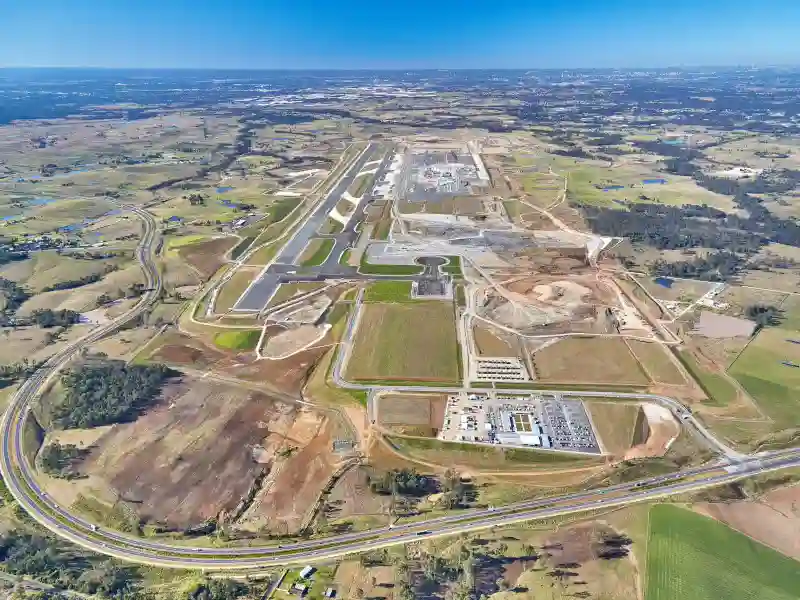
Initially, Western Sydney International will operate with a single 3.7-kilometer runway and one integrated terminal serving both domestic and international passengers.
Despite this relatively straightforward opening configuration, extensive supporting infrastructure has already been completed. Airside facilities, transport connections, utility systems, operational buildings, and aviation support services have all been incorporated into the development.
The airport’s location at Badgerys Creek was selected partly because of the enormous amount of land available for future growth.
Covering approximately 1,780 hectares, the site offers expansion opportunities that would be virtually impossible at many established airports. Unlike constrained urban facilities surrounded by dense development, Western Sydney has room to evolve over multiple generations.
This flexibility is central to its long-term strategy.
The Ambition To Become Australia’s Largest Airport
The airport’s opening phase represents only a fraction of its ultimate vision.
In the medium term, planners anticipate significant terminal expansion. Additional processing areas, gates, and passenger facilities are expected to be added as demand increases throughout the coming decades.
By around 2045, the terminal complex could evolve into a much larger interconnected structure capable of handling approximately 37 million passengers annually. Air traffic movements are projected to reach around 226,000 per year under this phase.
Even that is not considered the final objective.
Long-term planning envisions the addition of a second parallel runway during the 2050s as traffic levels continue rising. Further expansion of terminals, cargo zones, business precincts, and aviation infrastructure would follow.
By 2063, airport planners believe Western Sydney International could accommodate approximately 82 million passengers annually and support roughly 370,000 aircraft movements every year.
Those figures would place the airport among the most significant aviation hubs in the Asia-Pacific region.
The contrast is remarkable. An airport opening with only 15 locally based aircraft could eventually support traffic volumes comparable to some of the world’s busiest international gateways.
Why Qantas Holds Such A Strategic Position
The relationship between Qantas Group and Western Sydney International reflects more than a simple airline-airport agreement.
For Qantas, committing aircraft early secured influence, visibility, and operational advantages at a facility expected to grow dramatically over time. The airline effectively gained a front-row seat during the creation of a major national aviation asset.
For the airport and the Australian Government, the benefits were equally compelling. Early airline commitments provided traffic certainty, strengthened the project’s business case, and helped ensure meaningful activity from opening day.
This mutual dependence explains why Qantas has featured so prominently throughout the airport’s development journey.
The carrier’s planned services will form a significant share of initial operations. Jetstar is expected to launch first, followed by Qantas-branded flights shortly thereafter. Early routes include connections to Melbourne, Brisbane, and the Gold Coast, creating an immediate domestic network from the new airport.
These services are likely only the beginning.
As passenger demand grows and airport capacity expands, additional aircraft, new destinations, and more international connections will almost certainly follow.
The Future Starts With Fifteen Jets
At first glance, building a future mega-hub around just 15 aircraft seems counterintuitive. Yet Western Sydney International demonstrates how modern airport planning has evolved beyond traditional infrastructure models.
Rather than constructing a vast airport and hoping airlines eventually fill it, planners have created a facility anchored by real commitments, practical partnerships, and scalable growth strategies.
The result is an airport that begins life with modest numbers but extraordinary ambitions. Its first years will be heavily influenced by Qantas Group and its 15 based jets, yet those aircraft represent far more than fleet statistics. They are the operational foundation of a project designed to reshape aviation in Australia’s largest metropolitan region.
If expansion unfolds as planned, future generations may look back on those original 15 aircraft as the small fleet that launched one of the Southern Hemisphere’s most significant aviation hubs.