Air New Zealand’s Strategic Expansion: New Flight Operations from Auckland to Western Sydney International Airport
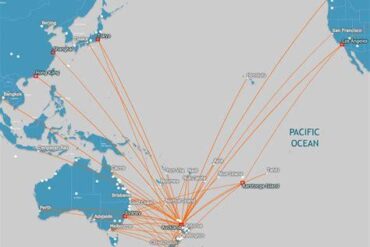
In a significant move poised to redefine trans-Tasman connectivity, Air New Zealand has officially announced its plans to commence flight operations from Auckland to the soon-to-be-completed Western Sydney International (WSI) Airport by mid-2027. This expansion marks a pivotal moment not only for the airline but also for the broader Australasian aviation landscape, as it seeks to capitalize on burgeoning demand and regional growth. As the second international carrier to confirm service at WSI following Singapore Airlines’ announcement in August 2024, Air New Zealand is positioning itself at the forefront of a transformational aviation infrastructure project that promises to reshape passenger travel between New Zealand and Australia.
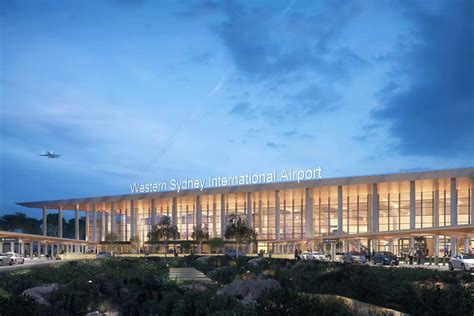
Situated at Badgerys Creek, the new Western Sydney International Airport is scheduled to open in late 2026. It is engineered to alleviate pressure on the existing Kingsford Smith Airport in Sydney, which has long been Australia’s primary international gateway. Designed to handle up to 10 million passengers annually initially, with projections soaring to 80 million by 2063, WSI is set to become a critical hub for regional and international travel. This enormous capacity underscores the airport’s role in future-proofing Australia’s aviation sector against escalating travel demands and shifting global travel patterns.
Western Sydney International Airport’s infrastructure features cutting-edge advancements that align with modern aviation’s sustainability and efficiency goals. Among these innovations is a 3.7-kilometre runway capable of accommodating the largest commercial aircraft such as the Airbus A380. The terminal design incorporates energy-saving technologies, including the installation of around 9,000 solar panels, to minimize environmental impact. Passengers will benefit from an integrated terminal that merges domestic and international travel zones, simplifying transfers and significantly reducing transit times. Crucially, WSI’s 24/7 operational capacity, free from night curfews, offers airlines and passengers unprecedented flexibility in scheduling flights, a competitive edge rarely found in the region.
Economic and Regional Impact: Boosting Growth Through Connectivity
The establishment of flight routes between Auckland and Western Sydney International Airport will serve as a catalyst for regional development on multiple fronts. Western Sydney is one of Australia’s fastest-growing urban areas, characterized by dynamic population growth, expanding industries, and a surge in economic activity. Air New Zealand’s entry into this new route will directly support this growth by enhancing accessibility for both business and leisure travelers. The improved air link will facilitate smoother business exchanges, stimulate tourism, and provide local residents with easier access to New Zealand.
By offering more convenient travel options outside of Sydney’s central Kingsford Smith Airport, Air New Zealand’s operations at WSI will relieve congestion and create more efficient flight scheduling options for passengers. This dual-airport strategy enables travelers to select the most convenient terminal for their journey, thereby enhancing customer experience and operational resilience for the airline. For the broader travel ecosystem, this development signifies increased competition, improved service quality, and greater options for travelers across the Tasman Sea.
The economic ramifications extend beyond the airport itself. With WSI acting as a hub, surrounding regions are likely to witness increased investment and job creation in sectors such as hospitality, retail, logistics, and transport infrastructure. This multi-dimensional growth effect will reverberate through local economies, supporting government goals for decentralization and regional prosperity.
Seamless Integration and Enhanced Passenger Experience
Air New Zealand’s announcement also highlights its commitment to maintaining services to Sydney’s Kingsford Smith Airport alongside the new WSI operations. This dual presence enables the airline to optimize its route network and cater to diverse traveler preferences. Whether passengers prioritize proximity to Sydney’s central business district or accessibility to Western Sydney’s expanding communities, Air New Zealand ensures flexible and comprehensive service coverage.
The integration of WSI into Air New Zealand’s network is bolstered by the airport’s modern facilities tailored to meet evolving passenger expectations. Retail spaces and airline lounges are currently in development, promising an elevated travel environment with world-class amenities. The streamlined terminal design will facilitate efficient baggage handling, quick security processing, and comfortable waiting areas, ensuring that the passenger journey is as smooth as possible.
This customer-centric approach reflects a broader trend in aviation where airports and airlines collaborate closely to deliver seamless, end-to-end travel experiences. The presence of multiple international airlines at WSI will foster a competitive environment that encourages innovation, better pricing, and superior service standards, all benefiting travelers.
A Vision for Sustainable and Future-Proof Aviation
The decision to expand operations to Western Sydney International Airport aligns with Air New Zealand’s strategic priorities around sustainability and innovation. The new airport’s environmentally conscious design, featuring solar energy and energy-efficient systems, resonates with Air New Zealand’s ongoing commitment to reducing its carbon footprint and promoting sustainable air travel.
By operating flights from a state-of-the-art facility that supports 24/7 operations without noise curfews, Air New Zealand can optimize aircraft utilization, reduce delays, and lower fuel consumption associated with extended ground times. This operational efficiency translates into environmental benefits as well as economic savings, reinforcing the airline’s competitive edge.
Moreover, the WSI project embodies long-term planning by anticipating future aviation trends and passenger volumes. The airport’s scalable infrastructure ensures that it will remain relevant for decades, offering Air New Zealand and other carriers the ability to grow their networks and adapt to changing travel demands without the constraints faced at older airports.
Trans-Tasman Connectivity: Strengthening the Link Between New Zealand and Australia
The new Auckland to Western Sydney route is emblematic of the strong and evolving trans-Tasman relationship, underpinning trade, tourism, and cultural exchange. Air New Zealand’s expansion enhances direct connectivity between New Zealand’s largest city and one of Australia’s most dynamic regions, facilitating increased passenger flow and business opportunities.
With rising demand for travel between these markets, the addition of WSI service will offer passengers more convenient scheduling and alternative routing options, reducing dependence on a single airport hub. This diversification is vital in an era marked by unpredictable disruptions, providing greater reliability and resilience in travel plans.
The route is also expected to serve as a gateway for onward international connections, leveraging WSI’s global aspirations to become a major hub in the Asia-Pacific. This integration will benefit travelers seeking efficient transfers to and from Europe, Asia, and the Americas, positioning both Air New Zealand and WSI as key players in the global aviation network.
Conclusion: A New Chapter in Australasian Aviation
Air New Zealand’s announcement to operate flights from Auckland to Western Sydney International Airport signifies more than a new route—it heralds a strategic commitment to innovation, regional development, and sustainable growth in air travel. As WSI approaches completion, its blend of modern infrastructure, environmental responsibility, and operational flexibility sets a new benchmark for airports in the Asia-Pacific region.
For Air New Zealand, this expansion underscores its role as a leader in trans-Tasman connectivity and its readiness to meet the demands of a growing and evolving travel market. For passengers, the new route promises enhanced convenience, improved travel experience, and greater access to emerging urban centers.
The unfolding partnership between Air New Zealand and Western Sydney International Airport embodies a forward-looking vision for aviation, one that harmonizes technology, sustainability, and regional integration to create a seamless, efficient, and future-ready air travel ecosystem.