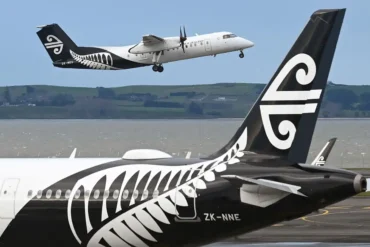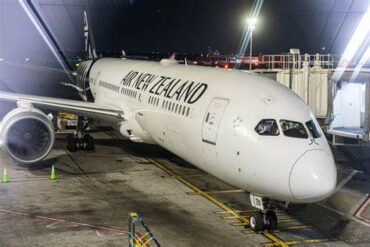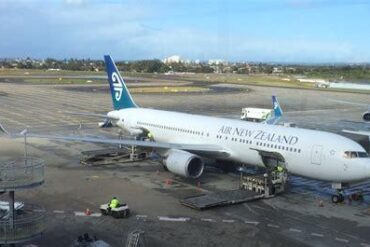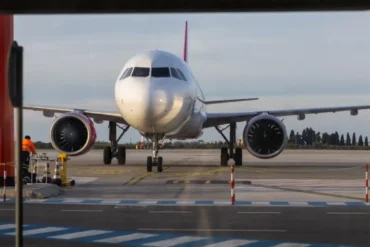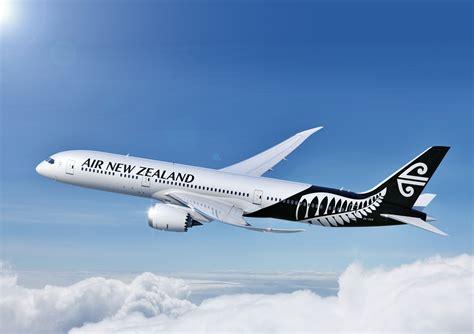
The long-anticipated arrival of international aviation at Western Sydney is about to become reality, and it begins with a strategic move by Air New Zealand. The airline is preparing to inaugurate the very first international service at Western Sydney International Airport (WSI), marking a pivotal shift in how Australia’s largest metropolitan region connects to the world.
From October 26, the carrier will operate three weekly flights between Auckland Airport and Western Sydney, establishing a fresh international gateway for millions living far from the congested terminals of Sydney Kingsford Smith Airport. This is not merely a new route—it is a recalibration of travel convenience, network strategy, and regional accessibility.
A Strategic First-Mover Advantage at Western Sydney Airport
Air New Zealand’s decision to anchor itself as the inaugural international airline at WSI is a calculated play rooted in timing and infrastructure advantage. Unlike Sydney’s primary airport, WSI operates without a curfew, allowing airlines to maximize aircraft utilization and schedule flexibility—an operational edge that is increasingly valuable in today’s capacity-constrained aviation environment.
For Western Sydney residents, this translates into a dramatically simplified travel experience. No longer forced to navigate cross-city commutes to catch international flights, passengers can now access global routes from a facility designed for future scalability and efficiency. The airport’s proximity to suburbs like Penrith positions it as a natural hub for a population long underserved by direct international connectivity.

Flight Schedule Engineered for Seamless Global Connections
The route is meticulously timed to integrate with Air New Zealand’s broader network. Departing Auckland at 6:05 am on Mondays, Wednesdays, and Fridays, flights will arrive in Western Sydney at 7:50 am after a flight time of approximately three hours and 45 minutes. The return leg departs WSI at 9:00 am, landing back in Auckland at 2:15 pm.
This schedule is no accident. The early afternoon arrival into Auckland is deliberately aligned with onward connections across the airline’s long-haul network. It creates a powerful one-stop proposition for travelers heading beyond the Pacific, particularly toward North America.
The route will be operated using the airline’s modern Airbus narrowbody fleet, specifically the A320neo or A321neo. These aircraft offer an all-economy configuration, with tiered service options ranging from basic seat-only fares to the more comprehensive “Works” bundle, which includes meals, entertainment, and baggage. For travelers seeking flexibility, the “Works Flexi” fare provides full change and cancellation options—an increasingly important feature in a volatile travel landscape.
One-Stop to the United States: A New Competitive Corridor
What truly elevates this route is its role as a gateway to the United States. By leveraging Auckland as a transit hub, Air New Zealand unlocks a seamless one-stop journey from Western Sydney to major North American destinations.
Passengers can connect onward to cities including New York, Los Angeles, San Francisco, Houston, Honolulu, and Vancouver. The inclusion of New York is particularly notable, as it represents a capability not yet matched by non-stop services from Sydney, despite ambitious long-haul projects in development elsewhere.
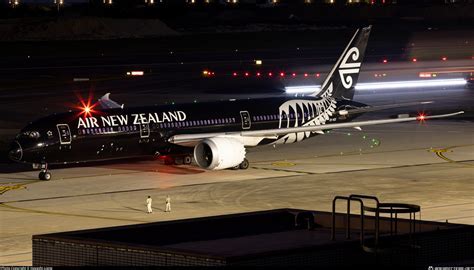
This network strength positions Air New Zealand as a compelling alternative to traditional trans-Pacific routes via Sydney or Melbourne. Instead of battling congestion at one of Australia’s busiest airports, travelers can opt for a smoother, more predictable journey originating closer to home.
The competitive implications are significant. By effectively turning Auckland into a bridge between Western Sydney and North America, the airline captures both point-to-point and transit demand—two revenue streams that reinforce route sustainability.
Serving Diaspora Demand and Regional Travel Patterns
Beyond long-haul connectivity, the route is underpinned by strong existing demand between Australia and New Zealand. With approximately 150,000 New Zealanders residing in Sydney alone, the corridor is one of the busiest short-haul international markets in the region.
Western Sydney’s demographic profile amplifies this demand. Families, business travelers, and visiting friends and relatives (VFR traffic) will all benefit from the convenience of a nearby international departure point. This is not a speculative route—it is built on proven traffic flows, now optimized through better geography.
Additionally, Air New Zealand’s domestic network offers seamless onward connections within New Zealand. Cities such as Queenstown, Christchurch, and Wellington become easily accessible, enhancing tourism and business travel opportunities on both sides of the Tasman.
Expanding Access to the South Pacific
The route also opens up the South Pacific in a way that feels almost boutique in nature. From Auckland, travelers can connect to destinations like Niue, Tahiti, Samoa, and the Cook Islands—locations often underserved by direct long-haul flights.
For Western Sydney residents, this creates a new category of travel: exotic, culturally rich destinations accessible with just a single stop. It’s a subtle but powerful shift, transforming what were once niche journeys into viable holiday options.
Competition Heats Up as Singapore Airlines Enters the Market
Air New Zealand’s early entry does not go unchallenged. Singapore Airlines is set to follow closely, launching daily services to Western Sydney from November 23. While Air New Zealand claims the title of first international operator, Singapore Airlines will become the airport’s first long-haul carrier.
Its schedule—departing Singapore at 11:30 am and arriving at WSI at 10:20 pm—takes full advantage of the airport’s lack of curfew restrictions. The return flight departs just before midnight, highlighting how airlines can exploit extended operating hours to maximize fleet efficiency.
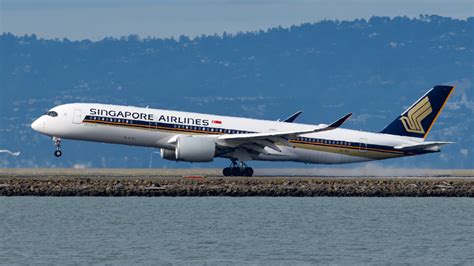
This competitive dynamic signals strong confidence in Western Sydney’s long-term viability as an international hub. Airlines are not merely experimenting—they are positioning themselves early in what could become one of Australia’s most important aviation growth stories.
A Defining Moment for Western Sydney’s Global Integration
The launch of international flights at Western Sydney International Airport represents more than a new route—it marks the beginning of a structural transformation in how Sydney connects to the world.
Air New Zealand’s entry sets the tone: efficient, strategically timed, and deeply integrated into a global network. It demonstrates how secondary airports, when designed with foresight, can challenge legacy infrastructure and redefine passenger expectations.
For travelers, the message is clear. The journey to the United States, the South Pacific, or even New Zealand itself no longer has to begin with congestion and compromise. Instead, it starts closer to home, with smarter connections and a more streamlined experience.
And in aviation, convenience is not just a luxury—it is a decisive advantage.