Australia’s domestic aviation market may soon face its boldest low-cost challenge in decades as former Qantas executive Peter Kelly pushes forward with plans for Zinc Airlines, a new ultra-low-cost carrier designed around the operational philosophy that made Europe’s Ryanair one of the world’s most profitable airlines. Centered on the soon-to-open Western Sydney International Airport, the proposed airline aims to disrupt the long-standing dominance of the Qantas Group and Virgin Australia with aggressively low fares, dense Airbus A321neo cabins, and relentless aircraft utilization.
For years, Australia has been viewed as one of the world’s most difficult airline markets for new entrants. Vast geography, relatively small population density outside major cities, expensive airport infrastructure, and fierce competition from entrenched incumbents have repeatedly crushed ambitious startups. Yet Kelly believes the opening of Western Sydney International Airport could fundamentally change the equation by removing one of the biggest barriers to competition: access to Sydney itself.
The proposal immediately drew comparisons to Ryanair because of its uncompromising focus on operational efficiency and ancillary revenue. Rather than attempting to compete through premium service or extensive connectivity, Zinc’s strategy revolves around ultra-cheap entry fares, rapid aircraft turnarounds, and high daily utilization of a single aircraft type.
After decades in Australian aviation, including leadership roles within Qantas’ loyalty business and Ansett’s Golden Wings Club, Kelly appears convinced the market is finally ready for a genuine ultra-low-cost carrier capable of reshaping domestic travel habits.
Western Sydney International Creates A Rare Opportunity For New Airlines
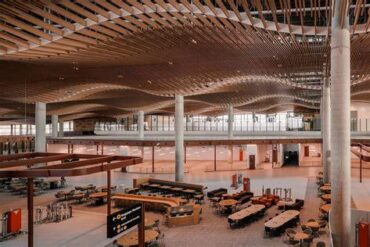
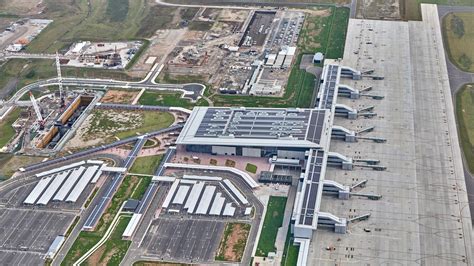
The opening of Western Sydney International Airport represents one of the most significant structural shifts in Australian aviation in decades. Unlike Sydney Kingsford Smith Airport, which operates under strict curfew limitations and slot constraints, Western Sydney International will operate without a curfew, allowing airlines far greater flexibility in scheduling flights during late-night and early-morning hours.
That difference alone could become transformative for a low-cost carrier model.
Sydney Kingsford Smith has long been criticized for creating an environment where new airlines struggle to secure viable takeoff and landing slots. Peak periods are intensely competitive, and established airlines maintain powerful advantages through existing allocations and network dominance. For startups attempting to enter the market, simply obtaining commercially attractive slots has often proven nearly impossible.
Western Sydney International changes that dynamic entirely. Located in Luddenham, approximately 44 kilometers from Sydney’s central business district, the airport is being developed as a major second gateway for Australia’s largest city. More importantly for airlines like Zinc, it offers unrestricted growth potential without the operational bottlenecks that plague the existing airport.
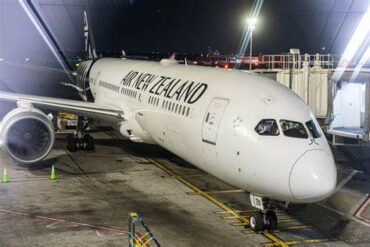
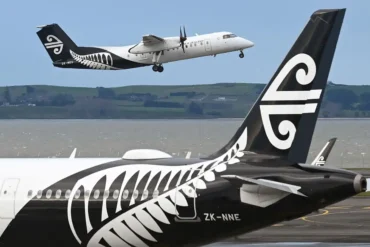
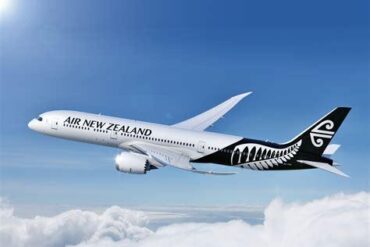
The airport is scheduled to open in October 2026 and already has commitments from carriers including Air New Zealand and Singapore Airlines. Qantas and Jetstar have also indicated plans to operate there, although details remain limited.
For Zinc, however, Western Sydney is not merely another airport option. It is the foundation of the entire business model.
Kelly’s concept depends heavily on aircraft flying at least 12 hours per day while avoiding costly delays and scheduling inefficiencies. Without curfews restricting nighttime operations, Zinc could potentially maximize aircraft productivity in ways that remain difficult at Kingsford Smith.
Why The Airbus A321neo Fits Zinc’s Low-Cost Strategy Perfectly
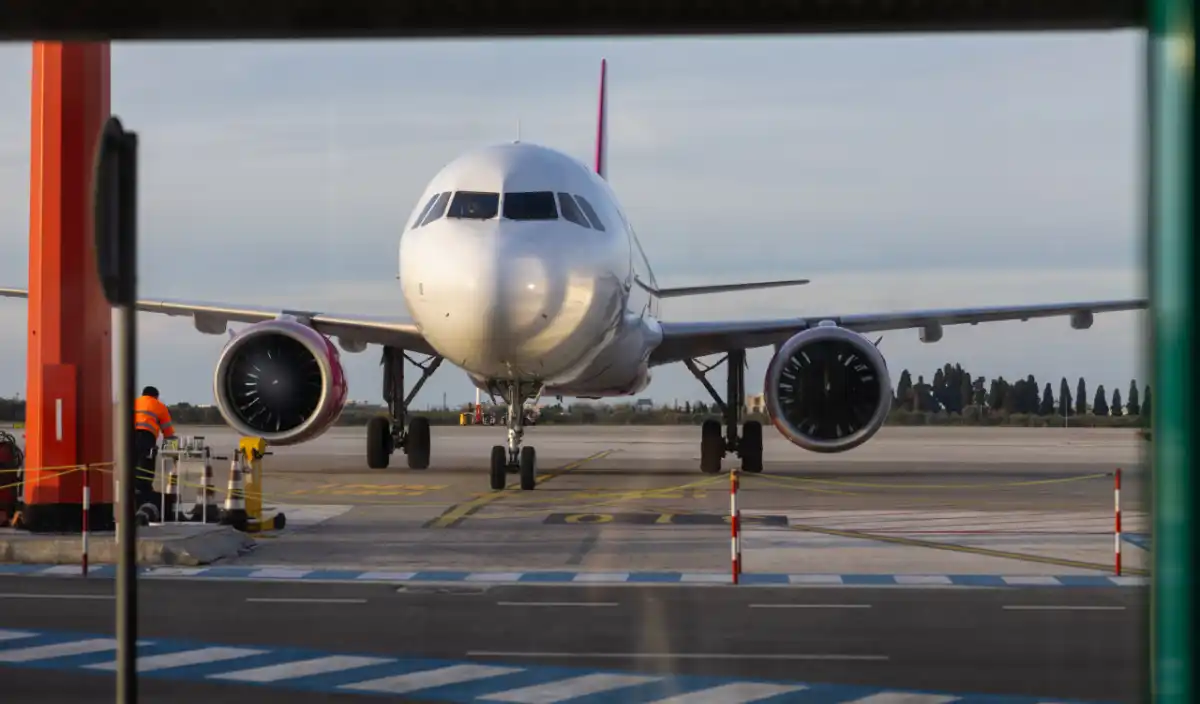
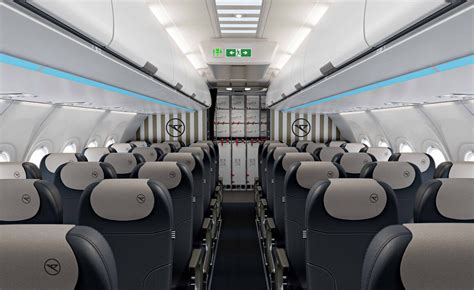
Central to the proposal is the Airbus A321neo, an aircraft increasingly becoming the preferred choice for high-capacity low-cost airlines around the world. Compared to older narrowbody jets, the A321neo offers significantly improved fuel efficiency, lower operating costs per seat, and the ability to transport large numbers of passengers on dense domestic routes.
For Zinc, those economics are essential.
Configured in a high-density single-class layout similar to European ultra-low-cost carriers, the aircraft could potentially accommodate as many as 244 passengers. That seating density dramatically lowers the cost per available seat kilometer, allowing the airline to advertise exceptionally low base fares while still maintaining profitability targets.
The strategy mirrors the operational philosophy employed by Ryanair and other successful ULCCs globally. The airfare itself becomes the entry point rather than the primary revenue source. Additional income is generated through ancillary charges including:
- Checked baggage fees
- Seat selection charges
- Priority boarding
- Food and beverage purchases
- Extra legroom seating
- Airport processing services
This revenue structure has proven enormously effective in Europe and parts of Asia, although Australia has historically seen more resistance from passengers accustomed to traditional airline inclusions.
Still, consumer behavior has shifted significantly over the past decade. Travelers are increasingly willing to separate ticket price from onboard extras, particularly on short domestic flights where price sensitivity often outweighs comfort considerations.
The A321neo’s range and economics also provide operational flexibility. Initially, Zinc intends to focus on Australia’s busiest corridors connecting Sydney, Melbourne, and Brisbane before expanding toward leisure-heavy destinations such as the Gold Coast.
Those routes represent the core battleground of Australian domestic aviation and collectively account for millions of passengers annually.
Australia’s Airline Graveyard Still Casts A Long Shadow
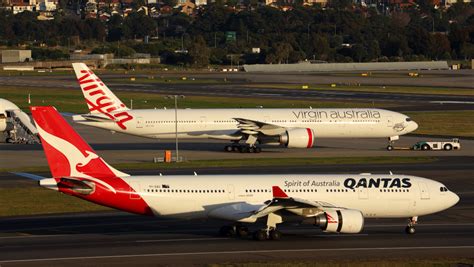
Despite the excitement surrounding Zinc, Australia’s aviation history remains filled with failed challengers that attempted to disrupt the Qantas-Virgin duopoly.
Bonza collapsed after struggling to establish a sustainable niche within the domestic market. Regional Express Airlines expanded aggressively into jet operations before encountering financial difficulties. Earlier entrants such as Compass Airlines also failed spectacularly despite promising cheaper fares and increased competition.
The problem has rarely been consumer demand.
Australia consistently demonstrates strong appetite for affordable air travel. The challenge instead lies in achieving sustainable economics across enormous distances while competing against incumbents possessing dominant frequent flyer programs, established corporate relationships, and massive operational scale.
Qantas and Virgin Australia currently control more than 98 percent of the domestic passenger market. That concentration gives both airlines substantial pricing power, network advantages, and customer loyalty leverage.
Zinc’s proposed model attempts to avoid direct imitation of legacy carriers altogether. Rather than offering premium lounges, interline connectivity, or extensive loyalty perks, the airline would focus almost exclusively on maximizing aircraft efficiency and stimulating price-sensitive travel demand.
Kelly’s background in loyalty programs could still become strategically important, however. Understanding customer retention and purchasing behavior may allow Zinc to create targeted ancillary offerings without replicating the expensive infrastructure of traditional airline rewards systems.
Funding remains another major hurdle. The proposed airline is currently seeking approximately AU$200 million in combined investment and debt financing. Initial capital would support aircraft deposits, certification processes, staffing, and pre-launch operational expenses.
Crucially, Zinc has not yet secured certification from Australia’s Civil Aviation Safety Authority, nor has it formally launched fundraising advisory structures.
Those milestones will determine whether the concept progresses beyond an ambitious proposal.
Can Zinc Become Australia’s Ryanair?
The comparison with Ryanair is both ambitious and risky.
Ryanair succeeded by operating within Europe’s liberalized aviation market, leveraging secondary airports, maintaining strict cost discipline, and relentlessly expanding scale. Australia presents a very different geographical and competitive environment, with longer routes, fewer major population centers, and limited secondary airport infrastructure.
Yet some conditions now appear more favorable than at any previous moment.
Western Sydney International introduces capacity into a market that has long suffered from congestion and restricted access. New-generation aircraft such as the A321neo offer lower operating costs than ever before. Consumer acceptance of ancillary pricing has also become increasingly normalized.
Most importantly, travelers continue searching for cheaper ways to fly between Australia’s largest cities.
If Zinc can secure sufficient capital, achieve regulatory certification, and maintain disciplined execution, it could finally introduce a true ultra-low-cost model capable of reshaping domestic aviation competition across Australia.
Whether it becomes Australia’s Ryanair or joins the long list of failed challengers may ultimately depend on one critical factor: turning Western Sydney International into a genuine low-cost powerhouse rather than simply another airport dominated by the country’s existing giants.