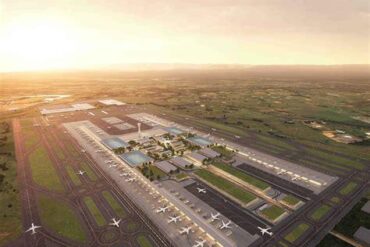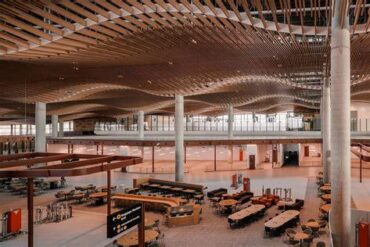
Sydney’s newest airport has not yet welcomed a single scheduled passenger flight, yet it is already changing how airlines plan routes, aircraft deployment, and departure times across Australia. Western Sydney International Airport (WSI), rising at Badgerys Creek in the city’s west, is scheduled to begin cargo operations in July 2026 and passenger services in October 2026. Even before opening day, the airport is influencing decisions that could reshape Sydney’s role as a global gateway.
For decades, Sydney has relied almost entirely on Kingsford Smith Airport (SYD), one of the busiest and most constrained airports in the Southern Hemisphere. Its location close to the city center makes it convenient for travelers, but it also creates strict operating limits. Night curfews and hourly movement caps have long restricted airline growth. WSI arrives with none of those barriers.
That difference is enormous. Airlines that once struggled to secure slots at Sydney’s main airport now have access to a new 24-hour gateway with room to grow, flexibility to schedule red-eye departures, and space to expand cargo operations.
Western Sydney Airport is not simply another terminal. It is a strategic reset for Australian aviation.
After years of planning, political debate, and billions in infrastructure spending, the airport is becoming real at exactly the moment airlines need new capacity.
A Curfew-Free Airport Changes Everything
Kingsford Smith Airport operates under some of the strictest rules of any major city airport in the world. Regular movements are largely restricted between 6:00 AM and 11:00 PM, with limited exemptions. The airport is also capped at 80 aircraft movements per hour.
Those rules protect nearby communities from noise, but they also limit airline flexibility. A delayed aircraft can miss curfew and be forced to divert. Carriers cannot simply add late-night services when demand rises. International arrivals often bunch into crowded peak windows.
Western Sydney Airport offers the opposite model.
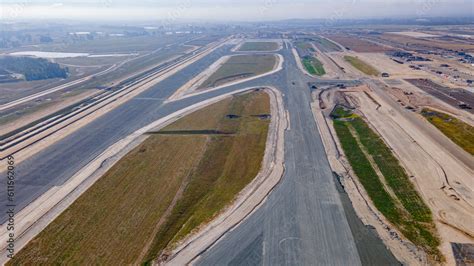
Its single 3.7-kilometer runway will operate 24 hours a day, without a movement cap. Because the airport is located farther from dense inner-city neighborhoods, it can accommodate flight schedules impossible at Kingsford Smith.
That means airlines can now consider:
- Late-night departures to Asia
- Early-morning arrivals from New Zealand
- Overnight domestic services
- Better aircraft utilization with extra daily rotations
- More resilient schedules during delays or weather disruptions
In aviation, flexibility is money. Every additional usable hour can improve profitability.
Airlines Are Already Rewriting Schedules
The clearest sign of WSI’s impact is that carriers are publishing services before the airport even opens.
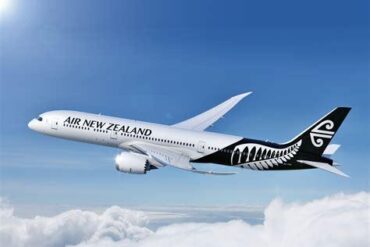
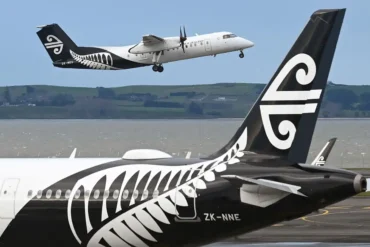
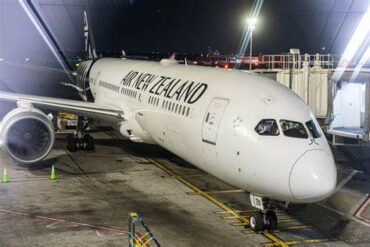
Air New Zealand is expected to become the first international passenger airline at the new airport, launching Auckland flights on October 26, 2026. The route will initially operate three times weekly.
Its timetable is revealing. Flights leave Auckland early in the morning, arrive in Western Sydney before 8:00 AM, then return after a short turnaround. That gives passengers same-day connectivity and opens useful onward options through Auckland’s international network.
It is a practical route—but also a symbolic one. Airlines are showing confidence that passengers will use Western Sydney from day one.
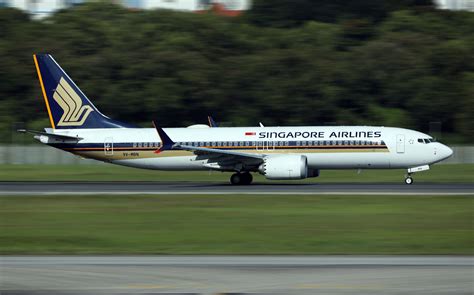
Soon after, Singapore Airlines plans daily flights beginning November 23, 2026. Unlike Air New Zealand, Singapore Airlines is fully leveraging the airport’s unrestricted hours.
Its inbound service is scheduled to arrive around 10:20 PM, with the return sector departing close to 11:55 PM. At Kingsford Smith, that timing would face curfew complications. At WSI, it becomes a competitive advantage.
Passengers can spend a full evening in Sydney and wake up in Singapore. For business travelers and onward connections into Europe or Asia, that matters.
Qantas and Jetstar Plan a Major Base
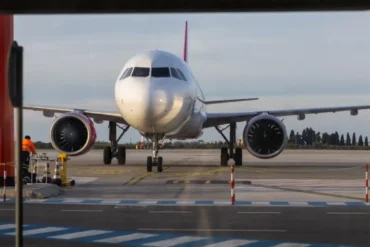
The strongest domestic endorsement comes from the Qantas Group, which intends to station 15 aircraft at Western Sydney during the airport’s initial phase.
That includes both Qantas and Jetstar, giving the group a two-brand strategy: premium full-service operations and low-cost leisure routes.
The companies expect to operate roughly 25,000 domestic flights in the first year and provide around four million seats annually.
Jetstar is likely to focus on high-demand leisure markets such as:
- Gold Coast
- Melbourne
- Brisbane
- Adelaide
- Sunshine Coast
- Darwin
These routes suit a low-cost carrier model and can absorb strong holiday demand from Western Sydney’s large population base.
Qantas, meanwhile, is expected to target domestic business travel with schedules designed around corporate demand and faster access for western suburbs residents who currently face long journeys to Kingsford Smith.
That geographic shift should not be underestimated. For many people living west of Sydney, the new airport may become the more convenient choice immediately.
More Than Passenger Flights: A Freight Powerhouse
Passenger headlines attract attention, but cargo may be one of WSI’s most powerful long-term advantages.
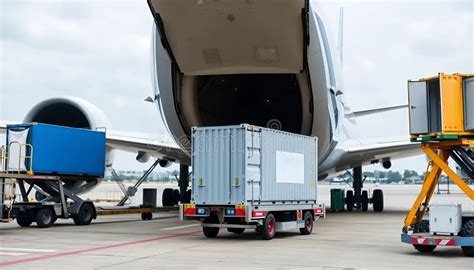
A dedicated freight precinct costing more than A$805 million has already been developed. The airport is projected to increase Sydney’s overall cargo capacity by roughly 33%.
That matters because air freight depends heavily on overnight flexibility. Express parcels, medical shipments, perishables, and e-commerce goods often move outside traditional passenger peaks.
A curfew-free airport is ideal for logistics operators.
Anchor tenants such as Qantas Freight and Menzies Aviation indicate serious commercial intent. Businesses needing rapid imports and exports will benefit from direct western Sydney access, where industrial zones, warehouses, and transport corridors are expanding rapidly.
In simple terms: while travelers notice terminals, freight operators notice operating hours.
And operating hours make money while everyone else is asleep.
A Project Decades in the Making
Western Sydney Airport may be opening in 2026, but the idea is far older.
Debate over a second Sydney airport stretches back to the 1970s, when planners recognized Kingsford Smith would eventually hit physical and political limits.
Construction formally began in 2018, but the true timeline spans generations.
The airport itself is estimated at A$3.8 billion. Supporting transport links push the wider investment far higher, including:
- A$7.9 billion for the Sydney Metro-Western Sydney Airport rail line
- A$1.4 billion for the M12 motorway connection
That scale reflects a truth many cities learn late: airports only work properly when connected to roads, rail, freight corridors, and surrounding development.
WSI is being built not just as an airport, but as the center of a new economic zone.
Why Kingsford Smith Cannot Simply Expand
Some may ask why Sydney needs another airport instead of enlarging the old one.
The answer is geography.
Kingsford Smith sits close to established suburbs and Botany Bay, boxed in by urban development. Additional runways are politically difficult and physically constrained. Noise complaints have shaped policy for decades, leading to the Sydney Airport Curfew Act 1995 and later updates.
Breaching curfew can trigger penalties of A$550,000 or more, rising above A$1.1 million in some corporate cases.
That is not a light slap on the wrist. It is a very expensive reminder that the neighbors would like to sleep.
As Sydney’s population grows, relying on a constrained airport alone becomes increasingly impractical.
Which Airlines Could Join Next?
Only a handful of carriers have formally announced WSI services so far, but market logic suggests many more are evaluating opportunities.
Virgin Australia is an obvious domestic candidate. Ignoring a new Sydney airport while rivals build presence would be strategically awkward.
Internationally, several groups stand out.
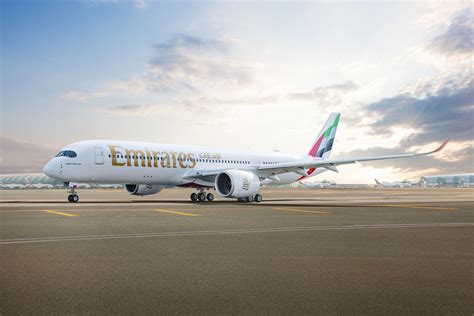
Emirates and other Gulf carriers could use late-night Sydney departures to feed early-morning Middle East banks, improving Europe connections.
Low-cost Asian carriers such as Cebu Pacific, Vietjet, and other leisure-focused operators may see a chance to grow capacity into Australia without battling slot scarcity at Kingsford Smith.
Legacy Asian airlines could also split schedules between both airports, serving different catchment areas.
That dual-airport strategy is common in global cities. Sydney is about to join that club.
Western Sydney’s Hidden Advantage: Population
The airport’s name is also its business case.
Western Sydney is one of Australia’s fastest-growing regions, home to millions of residents and significant future population expansion. For many households, reaching Kingsford Smith can involve long road journeys across congested metropolitan corridors.
WSI flips that map.
Instead of forcing western residents eastward for every flight, the airport brings international and domestic access closer to where people already live and work.
That convenience alone can generate demand, even before considering lower fares or better schedules.
The Real Competition Is Time
Airports often compete on price, lounges, or airline choice. But Western Sydney’s strongest product may be something simpler: time.
Time saved reaching the airport.
Time gained through late departures.
Time recovered through better slot availability.
Time protected when delays no longer threaten curfew diversions.
For passengers, time feels personal. For airlines, it becomes revenue.
A New Era for Sydney Aviation
Western Sydney International Airport has not opened its passenger doors yet, but the market is already responding as if it has. Airlines are allocating aircraft, designing schedules, planning route launches, and reconsidering how Sydney fits into regional networks.
That is the clearest sign of significance.
Major airports do not merely receive traffic—they redirect it.
When the first passenger flight departs in October 2026, the real story will not be that Sydney gained another airport. It will be that Australia’s largest city finally gained the capacity, flexibility, and competitive leverage it has lacked for years.
And for Kingsford Smith, the monopoly era is heading for final boarding.