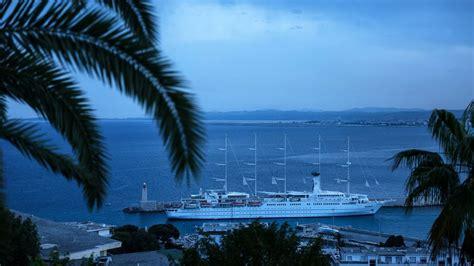
Cannes, the jewel of the French Riviera, is stepping into a new era of tourism management, aiming to combat the pervasive issue of overtourism that has plagued many European destinations. Renowned for its breathtaking beaches and the prestigious Cannes Film Festival, this iconic city is implementing groundbreaking regulations that will reshape how cruise tourism operates in the region. Starting January 1, 2026, Cannes will enforce significant restrictions on cruise ships docking at its famous port, a bold move that is expected to preserve the city’s unique charm while ensuring a sustainable future for both residents and visitors alike.
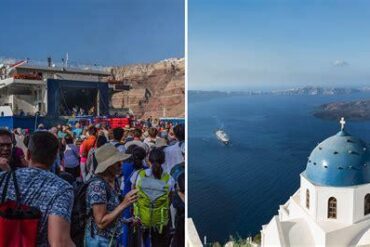
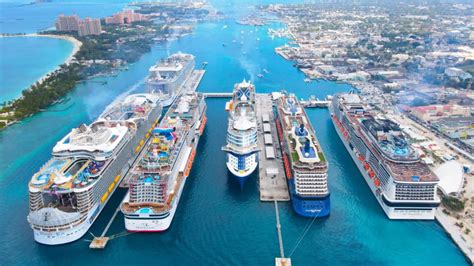
In recent years, Cannes has witnessed an overwhelming influx of tourists, particularly from the cruise industry. In 2024 alone, the city braced itself for nearly 7,000 passengers arriving on the same day, illustrating the unsustainable levels of tourism that have begun to affect local infrastructure and the quality of life for its residents. To address these concerns, the Cannes city council has approved new regulations designed to limit the number of cruise passengers disembarking in the city. These new rules include:
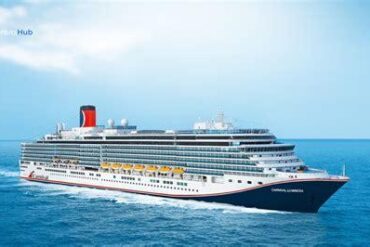
- Ships carrying more than 1,000 passengers will be prohibited from docking directly in Cannes.
- A daily cap of 6,000 disembarking passengers will be strictly enforced.
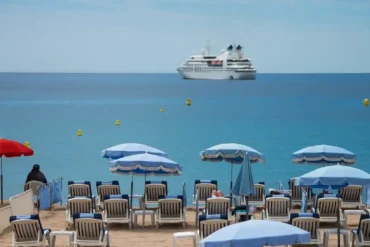
- Larger vessels will be required to utilize smaller boats for passenger transfers to shore, effectively reducing the strain on the city’s delicate infrastructure.
This strategic shift reflects a growing trend among popular European cities grappling with the negative impacts of mass tourism. Cities such as Venice, Barcelona, and Amsterdam have already begun to recognize the urgent need for regulations to manage tourist numbers effectively. Cannes, however, is positioning itself as a leader in this movement, showcasing a proactive approach to preserving the integrity of its cultural and natural resources.
The Effects of Overtourism on European Destinations
The ramifications of overtourism extend far beyond mere congestion; they include environmental degradation, strained local economies, and diminished quality of life for residents. Cannes’ initiative is not just about regulating numbers—it’s a vital response to a broader crisis facing many beloved cities. For instance:
- Venice, famous for its picturesque canals, has faced relentless pressure from massive cruise ships that not only overcrowd its streets but also contribute to significant ecological harm. In response, Venice has restricted the entry of large vessels into its historic center and is developing alternative docking sites to mitigate congestion.
- Barcelona has experienced skyrocketing rents and the displacement of local families as tourism surged. The city has taken measures to limit tourist rentals and curb forms of tourism that negatively impact the housing market, striving to reclaim its neighborhoods for residents.
- Amsterdam has implemented restrictions on tourist numbers in specific areas and limited the size of ships allowed to dock, focusing on maintaining its rich heritage while ensuring a high quality of life for its inhabitants.
Why Cannes is Setting a Precedent
Cannes is taking decisive action by limiting cruise tourism, a choice motivated by the recognition that unregulated tourism threatens the very allure that draws millions of visitors each year. This coastal gem is characterized by its stunning landscapes, historic sites, and vibrant culture, all of which risk being overshadowed by overwhelming crowds. The new regulations are designed to:
- Safeguard local culture and heritage, preventing the commercialization of Cannes’ iconic landmarks.
- Minimize environmental impact, thereby reducing pollution and preserving the area’s natural beauty.
- Enhance the overall tourist experience by creating a more intimate and less congested environment, allowing visitors to truly appreciate what Cannes has to offer.
By prioritizing the well-being of its residents and the preservation of its cultural assets, Cannes is establishing itself as a model for other destinations grappling with similar challenges. The implications of these new regulations could be far-reaching, setting a standard for sustainable tourism practices across Europe.
A Vision for Sustainable Tourism
As Cannes prepares to implement these transformative regulations, it embodies a larger movement towards responsible tourism. Travelers increasingly seek authentic experiences that do not come with the adverse effects of mass tourism. With these changes, Cannes aims to meet the expectations of modern tourists while also fostering a sustainable tourism economy.
The anticipated outcomes of these regulations include:
- A calmer, more serene atmosphere for visitors, free from the throngs that often overwhelm popular destinations.
- A revitalized local economy that benefits from a balanced visitor influx, allowing businesses to thrive without becoming overly reliant on large-scale tourism.
- A renewed focus on environmental sustainability, ensuring that the natural beauty of the region is preserved for future generations.
Cannes is stepping boldly into the future, demonstrating that it is possible to embrace tourism while safeguarding the qualities that make the destination truly special. This progressive stance sends a clear message: responsible tourism is not just desirable; it is essential.
Conclusion: The Future of Responsible Tourism in Cannes
Cannes’ innovative approach to regulating cruise tourism marks a pivotal moment in the fight against overtourism. As the city embraces this new chapter, it sets a powerful precedent for destinations worldwide facing similar pressures. Visitors can anticipate a thoughtfully curated experience that balances the economic advantages of tourism with the needs of local communities and the environment.
With its new cruise ship regulations, Cannes is leading the way toward a sustainable tourism model, one that prioritizes responsibility over unchecked growth. Whether planning a visit or simply observing the evolution of travel, one thing is clear: Cannes is not just a destination; it is a beacon for the future of tourism, where sustainability and respect for local culture take center stage.