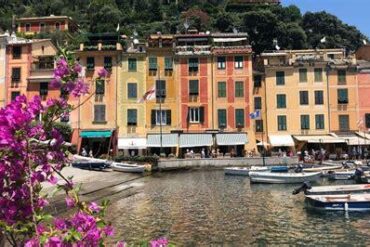
As the summer season approaches, travelers heading to the picturesque coastal towns of the UK are faced with new travel regulations that could dramatically alter their beach-going experiences. Many popular seaside destinations have introduced stringent laws against feeding gulls, a measure aimed at combating the increasing nuisance these birds have become. With fines soaring as high as £2,500, it is imperative for visitors to familiarize themselves with local by-laws to avoid hefty penalties during their stay.
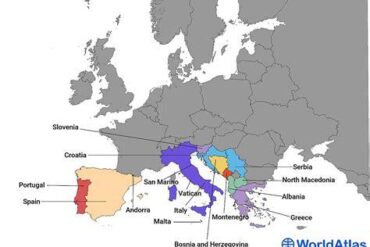
The crackdown on gull feeding is particularly noticeable in renowned tourist hotspots such as Blackpool, Aldeburgh, and even extending to regions like Barcelona. The rise in complaints regarding seagulls, from aggressive swooping to relentless begging for food, has prompted local councils to take action. For instance, last year, a 97-year-old woman was threatened with a £2,500 fine after a neighbor reported her for feeding birds near Blackpool. This situation exemplifies the need for tourists to be aware of the specific regulations in each town they visit.
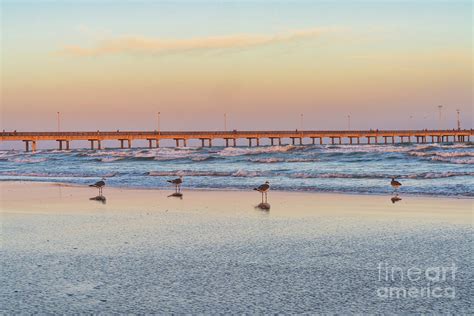
The rationale behind these restrictions stems from a growing concern over the behavior of gulls, which have transitioned from being charming features of seaside locales to becoming problematic due to their aggressive antics and health hazards. In Aldeburgh, Suffolk, for example, visitors are now met with conspicuous warning signs indicating that eating in proximity to gulls could lead to legal repercussions, enforced under public health and anti-social behavior laws. These measures aim to minimize public complaints while enhancing safety for both locals and tourists alike.
The Rise of Overtourism and Its Impact on Local Communities
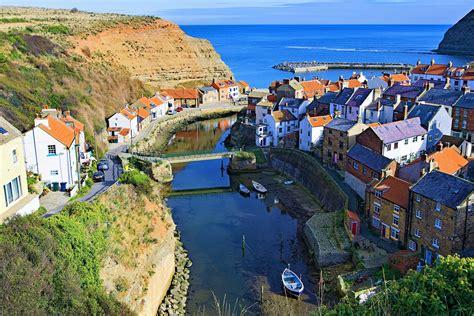
Overtourism has reached critical levels in coastal towns across the UK, putting immense pressure on local infrastructure, housing, and natural resources. While the surge in visitors has undeniably bolstered the economy, it has also strained housing availability and environmental sustainability. The once-beloved gulls have come to symbolize the unforeseen consequences of unchecked tourism. In North Yorkshire, towns like Whitby and Scarborough, known for their stunning harbors, are witnessing an explosion in gull populations, fueled in part by tourists feeding them. This behavior has led to increased aggression among the birds, resulting in property damage and unsanitary conditions.
Local councils have responded to these challenges by implementing Public Space Protection Orders (PSPOs), which allow authorities to impose fines on individuals caught feeding gulls. Protests against overtourism are becoming more common, with residents advocating for more control over how their communities are utilized by visitors. Notably, in Barcelona, a unique protest involving water guns emerged, where locals doused tourists with water while holding signs proclaiming, “One more tourist, one less resident!” This reflects the growing resentment towards mass tourism and highlights the urgent need for local governments to balance welcoming tourists while safeguarding residents’ rights.
Gull Feeding Bans Spread Across the UK
The recent spate of gull-feeding bans is emblematic of a larger trend among UK coastal towns tightening regulations to manage tourism effectively. Several locations, including St. Ives in Cornwall, have enacted similar prohibitions, which were initially introduced in 2018 due to the escalating issues linked to gull behavior, such as swooping attacks that have resulted in injuries to beachgoers. In East Devon, another favored seaside destination, PSPOs are now actively enforced, with fines of £80 for those who are caught feeding the birds. Repeat offenders may face escalating fines, with failure to comply potentially leading to even steeper penalties. Local authorities assert that these measures are vital for protecting the environment and ensuring that tourism does not adversely affect local residents or public health.
While some tourists may perceive these regulations as an inconvenience, they form part of a broader initiative to mitigate the environmental impact of tourism. The challenge posed by gulls, from stealing food to causing property damage and leaving waste, has become a pressing issue for many seaside towns. Consequently, fines serve as a necessary deterrent against such behaviors.
The Role of Digital Platforms and the Rise of Private Stays
In light of overtourism and stringent local laws, many travelers are pivoting towards alternative accommodations and experiences. Luxury Group Stay, a travel service provider, reports a notable increase in demand for private stays, where families can unwind and enjoy outdoor dining without the looming threat of unexpected fines or restrictions. This trend can be attributed to the overcrowding and regulatory challenges prevalent in popular tourist areas.
Digital platforms like Airbnb and Vrbo have facilitated easier access to private properties located away from bustling tourist centers, allowing visitors to engage more intimately with local cultures while escaping the pressures associated with overregulated environments. As more tourists seek out lesser-known destinations within the UK, regions like Devon, Cornwall, and Somerset are experiencing a surge in interest, offering a chance to bask in the beauty of coastal towns without the overwhelming presence of crowds.
Local Government Actions and the Push for Sustainable Tourism
In response to the challenges posed by overtourism, numerous UK councils have begun implementing policies designed to promote sustainable and community-friendly tourism practices. These initiatives include encouraging visitors to explore lesser-visited destinations, promoting off-peak travel seasons, and incentivizing trips to rural areas rather than congested city centers. Local governments are also exploring innovative ways to integrate sustainability into tourism, including promoting eco-friendly accommodations and carbon-offset initiatives.
For example, in Brighton, a vibrant coastal city, local authorities have launched campaigns advocating for sustainable travel options. This includes bicycle rentals, eco-friendly lodging, and enhanced public transport services aimed at reducing car traffic. The goal of these initiatives is to alleviate congestion while ensuring that the tourism industry contributes positively to a greener and more responsible economy.
Several UK destinations have also introduced tourist taxes, which are levied on hotel stays and accommodation bookings. The revenue generated from these taxes is earmarked for maintaining public spaces, improving amenities, and funding environmental conservation efforts. These strategies aim to distribute the benefits of tourism more equitably while mitigating its adverse effects.
The Growing Importance of Responsible Travel
The issue of overtourism is not confined to the UK; it represents a global challenge that has ignited widespread calls for responsible travel practices. Increasingly, travelers are gravitating towards destinations that prioritize sustainability and respect for local communities. This shift is evident in the burgeoning popularity of eco-tourism, where visitors consciously choose to travel to places that champion environmental conservation and support local economies.
Organizations and governmental entities throughout Europe are increasingly underscoring the necessity of responsible tourism, emphasizing the preservation of natural resources, the respect for cultural heritage, and the minimization of travel’s impact on local environments. Sustainable travel has evolved into a key concept within the industry, with travelers expected to actively contribute to reducing their carbon footprint and uplifting the communities they visit.
Conclusion: Navigating the Challenges of Overtourism
In conclusion, the UK’s intensified focus on banning gull feeding in coastal towns is indicative of the broader issue of overtourism affecting popular destinations globally. While these regulations may be perceived as severe by some, they are integral to protecting the environment, maintaining essential infrastructure, and ensuring that tourism remains a viable and sustainable endeavor. As responsible travelers, it is crucial to approach our journeys with mindfulness and respect for the communities we visit. By choosing alternative accommodations, exploring less-traveled paths, and adhering to local regulations, we can collectively safeguard the beauty and authenticity of the places we cherish. Sustainable tourism transcends the mere avoidance of fines; it embodies the commitment to preserving these beloved locations for future generations. As summer beckons, tourists are encouraged to consult local guidelines meticulously before embarking on their beach holidays to avert any unwelcome surprises. It is time for both tourists and locals to collaborate in crafting a tourism model that benefits all parties involved while steering clear of the detrimental impacts of overcrowding and environmental strain.