Italy has ramped up its efforts to shield Portofino’s internationally renowned coastline from overtourism with a set of stringent new summer regulations to protect against the ills of mass tourism. As the high season stretches the town’s visitor numbers, these seasonal fines target acts such as walking barefoot, drinking alcohol in the street, or hosting picnics outside designated zones. They are meant to protect the aesthetic appeal, cultural integrity, and public peace of this legendary Riviera haunt under assault from the hordes of tourists that storm through each summer. In regulating according to these rules, Italy is trying to balance the welcome mat and proper conservation of the ambiance of Portofino for future generations.
The scenic Italian Riviera town of Portofino has adopted yet another layer of new seasonal regulations to fend off the city’s tourist masses and maintain the spectacular natural beauty during the height of the summer season. The fresh regulations, in place between July 15 and September 30, are aimed at curbing common acts of visitors, such as walking without shoes, wearing swimwear in public, drinking alcohol outside designated sites, and spontaneous picnics. The steps are intended to protect social order and ensure the aesthetic and cultural decorum of the historic town during the peak tourist season, officials said.
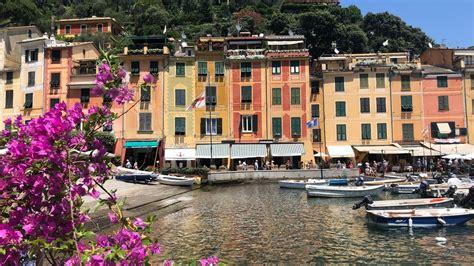
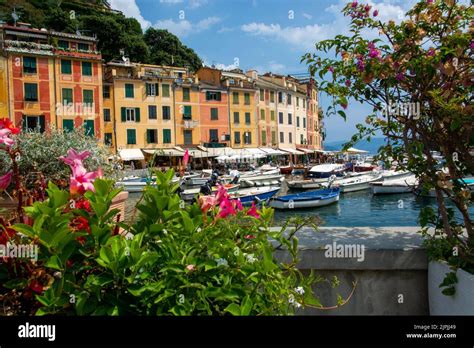
Famous for its multi-coloured cliffside houses, millionaire yachts, and cobbled streets, Portofino is usually besieged by crowds during the summer months, with the population soaring to almost 100,000 – many of them British tourists. According to the new municipal decree, tourists will be fined for disruptive and disrespectful behavior. No more going barefoot, topless, or wearing swimsuits away from the beach. All alcohol consumption is restricted to licensed establishments (bars, restaurants, or official public areas, where applicable). Public picnics — once a popular activity for travelers to take in the town’s picturesque views — are also out. Those breaking the rules could be handed on-the-spot fines of up to €500 (about £433), though they will be hit with at least €25 (about £22).
Crackdowns on Tourist Behavior, Over the Years
This isn’t the first time Portofino has had to take steps to control its still-increasing tourism numbers. In 2023, the town generated international headlines when it prohibited tourists from stopping at some picturesque vantage points. Although the official reason given was safety concerns related to pedestrian traffic, many suspected it was to discourage rampant selfie-taking and overcrowding. The effort resulted in the installation of “no-waiting zones,” where tourists are not allowed to pause, particularly in locations deemed too crowded or prone to bottlenecks. Anyone who was caught flouting these immediate bans faced penalties local to €275 (£242), so there was some seriousness behind what would otherwise be excusable photography pit-stops.
The town’s administrators have stressed that such measures are not about deterring tourists but about sustaining the quality of life for its inhabitants and ensuring that Portofino’s historic and natural riches do not become degraded. This ongoing battle against overtourism highlights the need for a more sustainable approach to tourism management that respects the delicate balance between welcoming visitors and preserving local heritage.
Sustainable Tourism and Infrastructure Management
Portofino’s crackdown against unruly behavior by tourists is part of a broader plan across Italy to promote sustainable tourism. Local officials around the country are feeling increasingly besieged by the side effects of over-tourism, particularly in fragile beach communities and historic sites. For further easing of demand on local infrastructure and traffic limitation, a special license plate number rotation system was tested during last summer for the 35 km coastal road between Vietri sul Mare and Positano on the Amalfi Coast. This rule dictated that plates ending in an odd or even number could only be on the road on different alternating days during the peak months. While the Amalfi Coast proposal did not have direct bearing on Portofino, the implementation of these types of initiatives may have inspired other towns to think of innovative ways to mitigate overtourism.
Italy has imposed tough fines this season at Portofino to tackle overcrowding and protect the picturesque town from the hordes of tourists who stop to gawk at its beautiful views and old architecture. The new rules are aimed at disruptive behaviors including barefoot walking, public drinking, and unauthorized picnics, which disrupt the tranquil atmosphere that both locals and responsible travelers cherish.
A Delicate Balance of Hosting and Museumification
Portofino has long been a draw for wealthy travelers, celebrities, and influencers in search of the perfect Mediterranean getaway. However, with its popularity on the rise worldwide, the town grapples with a delicate balance: how to embrace tourists without losing its small-town soul or overburdening its infrastructure. Local officials say the temporary rules are necessary to keep order amid a frenzied summer crush. They have faith that responsible tourism (backed by sensible regulation) will help keep Portofino a cherished holiday spot for generations to come.
The attempt with codes of conduct, respect, and the preservation of local tradition aims for Portofino to become a place where instantaneous remuneration does not refute heritage. With the summer months in full swing, UK staycationers and holidaymakers from overseas are being urged to read up on the new measures before setting off. Though the fines can be significant, they also speak to the town’s earnest efforts to deal responsibly and respectfully with its soaring popularity. By enforcing these guidelines, Portofino hopes to maintain its charm and allure while ensuring a positive experience for both visitors and residents alike. The initiative serves as a reminder that the beauty of travel lies not just in the destinations we explore but in the way we engage with them.