In recent years, Portugal has emerged as a top destination for Irish tourists, with an impressive 557,000 visitors from Ireland in 2024 alone. This influx marks a significant 6% increase compared to the previous year, driven largely by travelers seeking respite from the dreary Irish weather. The allure of Portugal’s stunning beaches, vibrant culture, and delectable cuisine, particularly its famous sardines, has made it a favored choice among those seeking sun-soaked holidays. Lisbon, the capital, and Porto, known for its picturesque riverfront and renowned wines, consistently attract a diverse range of visitors eager to explore their rich history and vibrant atmospheres.
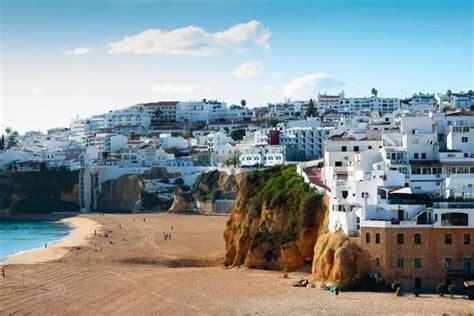
Amidst this booming tourism, however, a significant shift is occurring in how public behavior is managed within popular tourist areas, particularly in Albufeira—a long-time favorite for its sunny beaches and lively nightlife. Recent changes in local regulations are now imposing strict rules that all visitors, including Irish tourists, must follow. One of the most notable changes is the ban on wearing swimwear outside designated beach or pool areas, which aims to promote a more respectful atmosphere in public spaces.
The new regulations dictate that tourists must wear appropriate clothing when traversing through town or engaging in activities away from the beach. Failing to comply with this rule can result in steep fines ranging from €300 to €1,500. This initiative is part of a broader strategy aimed at enhancing the overall visitor experience while simultaneously safeguarding the cultural integrity of the region. Local residents have largely welcomed these measures, viewing them as a necessary step towards preserving the community’s values amidst the pressures of increased tourism.
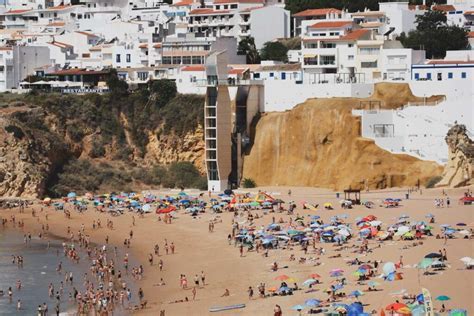
In addition to swimwear restrictions, the new laws also encompass other behaviors deemed inappropriate or disrespectful. Public consumption of alcohol, along with urinating or defecating in open areas, is now prohibited and subject to hefty penalties. These regulations are crafted to ensure that popular tourist locations like Albufeira maintain a pleasant and respectful environment for both locals and visitors alike.
The introduction of these rules has ignited a debate among tourists, with mixed reactions emerging online. While some view these regulations as overly restrictive, others appreciate the efforts to uphold the dignity of the area and prevent the potential downsides of unchecked tourism. Many locals express gratitude for these changes, believing they will positively impact the community by enhancing the quality of life and preserving the unique cultural landscape of Albufeira.
This regulatory trend reflects a growing global movement among popular tourist destinations, where municipalities strive to balance welcoming visitors with protecting local customs and traditions. The steps taken by Portugal signal a shift towards responsible tourism, encouraging visitors to respect and engage with the community in a manner that aligns with its cultural values. As the country continues to draw large crowds, the effectiveness of these new rules and their enforcement will be closely monitored.
As we look ahead, it remains to be seen whether these changes will deter some tourists or lead to a more sustainable and respectful travel experience. Ultimately, the goal is to ensure that both locals and tourists can continue to revel in the beauty and charm of this Mediterranean paradise for generations to come. By fostering a culture of mutual respect and understanding, Portugal sets an example for other destinations grappling with the impacts of mass tourism, proving that it is indeed possible to enjoy the best of both worlds.