As the summer sun beckons, Spain is preparing for a surge of tourists, particularly from the UK. However, this year, the Spanish government has taken a decisive stand against disruptive behavior by implementing a series of stringent regulations aimed at preserving the quality of life in popular tourist destinations. With fines reaching as high as €3,000, British holidaymakers are being advised to tread carefully to avoid hefty penalties for seemingly innocent activities like enjoying a drink on the beach or having a late-night gathering.
The crackdown comes as a response to increasing concerns over overtourism and its impact on local communities, infrastructure, and the overall tourist experience. Cities such as Magaluf, Valencia, and Palma have been identified as hotspots for unruly conduct, prompting authorities to enforce strict rules that address public drinking, smoking, and noise violations. The intent is clear: to protect Spain’s vibrant culture and the well-being of both residents and visitors alike.

Stricter Regulations on Public Drinking and Smoking
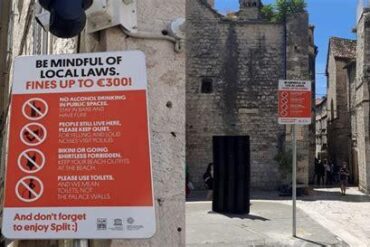
One of the most significant changes this summer is the prohibition of alcohol consumption in public areas. Tourists caught sipping drinks on the beach, promenades, or public parks could face fines ranging from €1,501 to €3,000. This includes not just parties but also casual gatherings where alcohol is present. The Balearic Islands have taken the lead in this initiative, implementing some of the strictest public drinking bans in the country, particularly in areas renowned for their nightlife.
Moreover, the new regulations also encompass smoking restrictions. Spain is increasingly moving towards smoke-free environments, especially on its beaches. Violators who light up in designated no-smoking zones could find themselves facing fines of up to €450. With more municipalities adopting these smoke-free initiatives, it is essential for holidaymakers to remain vigilant and heed local signage before lighting a cigarette.
Restrictions on Night-Time Alcohol Sales
In addition to the public drinking bans, the municipalities of Majorca, including Llucmajor, Palma, and Magaluf, have instituted strict regulations on night-time alcohol sales. From 9:30 PM to 8:00 AM, shops are prohibited from selling alcohol, and local bars are under increased scrutiny regarding their promotional practices, such as happy hour deals. This legislative move is part of a broader strategy to deter excessive partying and reduce the negative impacts associated with rowdy tourist behavior.
Consequences for Loud Gatherings and Music
The Spanish authorities have also set their sights on loud gatherings. Organizing unauthorized parties or playing music too loudly can lead to fines of up to €750. In regions like Valencia, penalties are particularly severe for those who set up tents or shelters on beaches or public lands without prior permission, which can incur fines between €1,501 and €3,000. These measures reflect the growing urgency to maintain peace and order in crowded tourist areas, ensuring that locals and visitors can enjoy their environments without disturbance.
Enhanced Security Measures for Accommodations and Rentals
Beyond behavioral regulations, Spain is tightening security measures across its tourism sector. New policies mandate that hotels, vacation rentals, and car hire companies collect detailed personal information from guests, which must be reported to the Spanish Ministry of Interior. British travelers will now need to provide:
- Full name and gender
- Date of birth
- Nationality
- Home address
- Both landline and mobile phone numbers
- Payment method and card details
- Information regarding relationships to minors under 14 traveling in the group
This extensive data collection is designed to improve surveillance, prevent criminal activity, and enhance emergency response capabilities throughout the tourism sector, reinforcing Spain’s commitment to maintaining a safe environment for both tourists and residents.
The Importance of Being Informed Before Traveling
Travel experts emphasize the necessity for visitors to familiarize themselves with local laws and regulations before embarking on their journey to Spain this summer. Despite its allure—golden beaches, rich culture, and vibrant nightlife—ignorance of local laws will not be accepted by Spanish law enforcement. The advice is straightforward: research your destination’s local rules, avoid public drinking, respect quiet hours, refrain from smoking in prohibited areas, and be prepared to provide detailed information during check-ins or vehicle rentals. Neglecting these regulations could quickly turn a dream holiday into an expensive misstep, leaving travelers with more than just memories of their time in Spain.
Conclusion: A New Era for Tourism in Spain
As Spain implements these tough new fines targeting rowdy behavior, the landscape of tourism is shifting. The crackdown aims not only to maintain the integrity of popular destinations but also to ensure that all visitors can enjoy the rich experiences that Spain has to offer without negatively impacting the local community. The message is clear: respect local laws, embrace responsible tourism, and enjoy all that Spain has to offer this summer while being mindful of the new regulations in place.