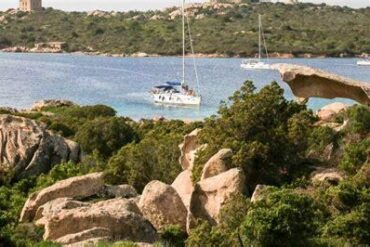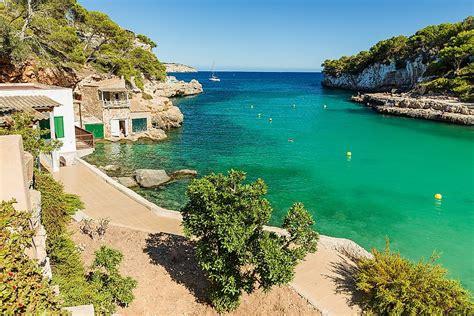
As Europe prepares for another summer travel season, Spain’s Balearic Islands—the quintessential paradise for sun-seekers, particularly from the UK—are on the verge of a significant transformation. Majorca, the largest island in this archipelago, along with its renowned neighbors Menorca, Ibiza, and Formentera, are grappling with a pressing dilemma: how to balance the economic benefits of tourism with the mounting concerns over over-tourism, environmental degradation, and the erosion of local culture. In 2024, the Balearic Islands welcomed an impressive 15.3 million international tourists, marking a 6.15% increase from the previous year. While this surge highlights a thriving tourism sector, it has also ignited urgent calls from local communities to address the adverse effects of mass tourism.
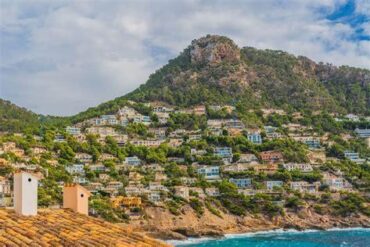
The dynamic nature of tourism in Majorca is particularly striking, as the island has become synonymous with summer vacations for British travelers. From the lively nightlife of Magaluf to the serene shores of Alcúdia and the tranquil inland village of Seineu, Majorca offers a diverse range of experiences. The capital city, Palma, captivates visitors with its rich tapestry of historical landmarks, gothic architecture, and stunning beachside views. However, as the influx of tourists continues to rise, Palma’s city council is making bold moves to tackle over-tourism.
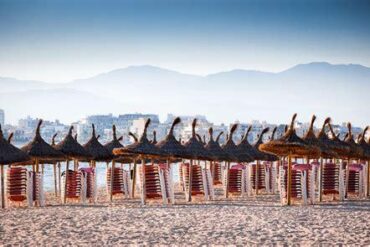
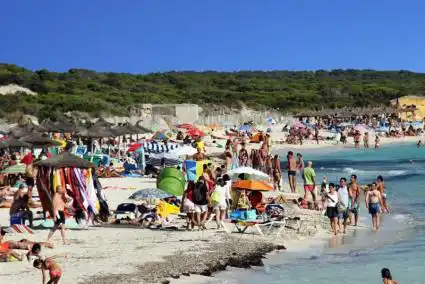
In a controversial decision, the city council has announced plans to dramatically reduce the number of sunbeds available on its beaches, cutting 1,700 sunbeds by 2026. This pivotal shift marks a departure from the traditional model of mass tourism and may serve as a blueprint for other regions facing similar challenges. The decision to remove sunbeds is not only a reaction to the growing frustration among local residents but also an acknowledgment of the pressing need for sustainable tourism practices.
The Rise of Tourism in the Balearic Islands: A Blessing or a Curse?
Tourism has long been the backbone of the Balearic Islands’ economy, contributing significantly to the region’s GDP. With a record of 15.3 million visitors in 2023 alone, the islands have seen a consistent rise in tourist numbers, particularly from British holidaymakers who flock to Majorca for its idyllic beaches and vibrant atmosphere. Yet, this influx has sparked serious concerns among local residents who are increasingly vocal about the adverse effects of over-tourism.
Many communities are facing the rising cost of living, displacement of local families, and environmental degradation as a direct consequence of mass tourism. In popular areas like Palma, housing prices have skyrocketed, forcing long-term residents out of their homes. Properties that were once accessible to locals are now being purchased by foreign investors eager to capitalize on the lucrative short-term rental market, intensifying the housing crisis. This situation has led to a rise in protests and activism, with local groups expressing their frustrations through demonstrations and confrontational acts, such as the slogan “Tourists go home” painted across buildings. Such actions highlight the growing discontent among residents who feel marginalized in their own neighborhoods.
Palma’s Clamps Down: Removing Sunbeds to Address Over-Tourism
In response to the mounting pressure from local communities, Palma’s city council has unveiled a radical overhaul of its beach policies. One of the most visible signs of over-tourism has been the proliferation of sunbeds occupying large sections of the city’s popular beaches. Once considered a convenient amenity for beachgoers, these sunbeds have now come to symbolize the commercialization of Palma’s coastline.
The decision to eliminate 1,700 sunbeds by 2026 is part of a larger strategy aimed at addressing overcrowding and the growing complaints from residents who feel that the beaches are becoming privatized. Local authorities emphasize that this change is essential for two main reasons: the increasing loss of beach space due to rising sea levels and the necessity to prioritize the needs of the local population. According to a spokesperson from the Department of Home Affairs of the Balearic Islands, “There has been a loss of sand on the beaches, and we couldn’t maintain the same number of sunbeds and umbrellas. This has coincided with complaints from residents who feel they have less space.”
The beaches affected by this policy include popular destinations like Platja de Palma, where the number of sunbeds will decrease from 6,000 to 4,436 by 2026. Other beaches, such as Cala Major and Cala Estància, will also see reductions in sunbed availability, with Cala Major losing 50 sunbeds and Cala Estància shedding 18.
Tourism and Environmental Concerns: Rising Sea Levels and Limited Space
The initiative to remove sunbeds is more than just a reaction to social unrest; it reflects a growing awareness of the environmental issues that accompany tourism in Palma. One of the most pressing challenges faced by the Balearic Islands is the threat posed by rising sea levels, which have gradually eroded portions of the shoreline over the years. As the sea encroaches on popular beaches, the available space for sunbeds and other amenities becomes increasingly restricted.
This environmental challenge is compounded by Palma’s status as one of the most visited cities in the region. As the number of visitors continues to climb, the strain on local infrastructure and the environment intensifies. The current tourism model is proving to be unsustainable, and the removal of sunbeds represents a symbolic gesture in the broader fight for sustainable tourism. It acknowledges that the tourism landscape must evolve to prioritize both residents’ needs and environmental sustainability.
The Backlash: Will Tourists Still Flock to Palma?
For many tourists, particularly the British visitors who constitute a substantial segment of the market, the removal of sunbeds may come as unwelcome news. Many travelers are drawn to Palma for its picturesque beaches and opportunities for sunbathing, and this policy shift may alter their experience of the island. However, it is crucial to understand that this change does not equate to a complete ban on sunbathing; rather, it seeks to alleviate overcrowding and restore public space for local enjoyment.
Although these changes may impact the tourism industry, they also present an opportunity for Palma to redefine its identity as a destination. Instead of solely competing based on beach access and sunbeds, the city can highlight its historic landmarks, gothic architecture, and vibrant cultural scene as attractions that offer a more sustainable way to experience the area. Tourists seeking more authentic and enriching experiences may find this shift appealing, especially if it leads to a more enjoyable stay that harmonizes tourism with local life.
The Role of Sustainable Tourism: Is It Possible to Visit Without Contributing to Over-Tourism?
As travelers continue to flock to popular destinations like Palma, Barcelona, and the Canary Islands, the question arises: can one still enjoy these places without exacerbating the over-tourism crisis? The answer is complex. While some tourists may remain unaware of the pressures their presence places on local resources, an increasing number are seeking to travel responsibly. For those wishing to explore the Balearic Islands or other sought-after locales in Spain, conscious travel becomes paramount.
This entails making choices that minimize one’s impact on local communities. Tourists can opt for off-peak seasons to avoid crowds, select locally-owned accommodations that support the local economy, and engage in tours and activities that benefit community businesses rather than multinational entities. Additionally, choosing eco-friendly lodging or supporting destinations promoting sustainable tourism practices can help mitigate the consequences of over-tourism. Responsible behavior—such as refraining from actions that harm the environment, like damaging wildlife or leaving litter behind—is also essential. By becoming more mindful of their actions, travelers can play a vital role in preserving the destinations they visit for future generations.
The Future of Tourism in Spain’s Balearic Islands
The ongoing debate surrounding tourism in Spain’s Balearic Islands encapsulates a broader global trend: the struggle between the benefits of tourism and the costs it imposes on local communities and the environment. While tourists continue to be integral to the Balearic Islands’ economy, it is evident that a shift is necessary to ensure the region’s sustainability in the long term. Majorca will undoubtedly remain a premier destination for millions of travelers. However, as the island addresses the challenges posed by over-tourism through measures like the reduction of sunbeds, the conversation about sustainable tourism must intensify.
In the coming years, local governments and tourists alike will need to collaborate to strike a balance that allows the region to thrive economically while preserving its cultural heritage, environment, and quality of life for residents. The move to reduce sunbeds may seem minor, but it is part of a larger strategy that could serve as a model for other popular tourist destinations worldwide. By adapting the tourism model and embracing more sustainable practices, locations like Palma can ensure they continue to welcome visitors without sacrificing their unique identity or the welfare of their local communities. The challenge lies in ensuring that tourism evolves into a positive force for the region rather than one that depletes its valuable resources.