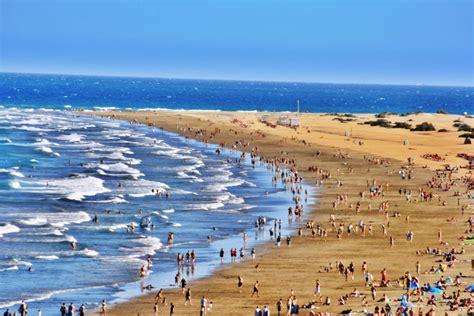
Gran Canaria, one of the most coveted Canary Islands destinations, has recently made headlines by announcing a significant increase in beach rental costs for sunbeds and parasols. This move has sparked outrage among tourists and locals alike, as it marks a departure from decades of tourist-friendly pricing that has made the island a popular choice for sun-seekers. The implications of this decision are profound, as they not only affect the cost of enjoying Gran Canaria’s stunning beaches but also signal a broader trend in tourism management across Spain.
A New Era of Beach Pricing
For the first time since Spain adopted the Euro in 2002, beachgoers in Gran Canaria may be faced with higher fees for essential beach amenities. Authorities in the San Bartolomé de Tirajana municipality, which includes well-known tourist spots like Maspalomas and Playa del Inglés, are set to increase the rental cost of sunbeds and parasols from €2.50 (approximately £2.13) per day to €4.50 (around £3.84). This change could significantly impact families planning to enjoy a week on the island, potentially costing them around €126 (roughly £107.41) for beach essentials alone.

The new pricing structure also introduces premium options for tourists. In addition to standard rentals, visitors will have access to luxurious Balinese-style beach beds for €15 per day (around £12.79) and personal safes for valuables at €3 daily (approximately £2.56). While local authorities argue that these prices remain competitive, an economic study suggested that the rates could have been set even higher at €6 per item per day.
Reactions from Tourists and Locals
The proposed fee hikes have ignited a firestorm of criticism from various quarters. The Spanish Socialist Workers’ Party (PSOE) has voiced strong opposition, claiming that the municipal council is prioritizing the profits of private companies over the needs of the public. Critics argue that these changes could lead to less inclusive access to the beach, particularly impacting budget-conscious families who rely on affordable amenities during their holidays.
Despite assurances from local officials that the new rates are still below national averages, the backlash highlights the delicate balance between maintaining tourism revenue and serving the interests of the local community. Many fear that rising costs could deter visitors, ultimately harming Gran Canaria’s reputation as a family-friendly destination.
A Shift in Spanish Tourism Policy
Gran Canaria’s decision to hike beach rental costs is not an isolated incident; it reflects a wider trend affecting various regions in Spain. For example, Majorca has taken proactive steps to address similar issues by reducing the number of sun loungers available on public beaches. The city of Palma has approved plans to remove up to 1,700 sunbeds, aiming to reduce beach occupancy by twenty percent within the next year. This initiative is driven by a desire to combat overcrowding and environmental degradation, highlighting the growing tension between tourism and sustainability.
Climate Change as a Driving Force
Environmental concerns are becoming increasingly pivotal in shaping policies related to tourism in Spain. In Majorca, local officials have cited rising sea levels as a primary reason for removing loungers from beaches, recognizing that coastal erosion is diminishing available space. This ecological reality adds another layer of complexity to the already challenging task of balancing tourism and environmental sustainability. As climate-related issues become more pressing, destinations are compelled to reconsider how they manage beach access and amenities.
What Tourists Should Expect
For British tourists and others planning trips to Gran Canaria, the landscape of beach vacations is undoubtedly changing. The days when sunbeds and parasols were considered part of the overall holiday experience at little to no additional cost may soon be over. Travelers must now adjust their budgets accordingly, factoring in these new charges as they plan their sun-soaked getaways.
As the balance between preserving local communities, supporting tourism revenue, and protecting the environment grows more tenuous, tourists should remain vigilant about evolving policies across various destinations. The Canary Islands, once synonymous with affordable beach relaxation, are entering a new chapter marked by higher costs and increased scrutiny over environmental practices.
Looking Forward: The Future of Beach Access
Gran Canaria’s decision to increase beach rental fees serves as a wake-up call for tourists and industry stakeholders alike. As Europe’s premier travel destinations adapt to the realities of climate change and the pressures of mass tourism, the era of carefree beach lounging is shifting. The implications of these changes will be felt far beyond the shores of Gran Canaria, influencing how travelers approach their vacations in the future.
For now, visitors can still bask in the beauty of Gran Canaria’s breathtaking beaches, but they must do so with a new awareness of the costs involved. As municipalities strive to balance the needs of tourists with the demands of sustainability and community welfare, the upcoming summer season may look quite different from those of years past.