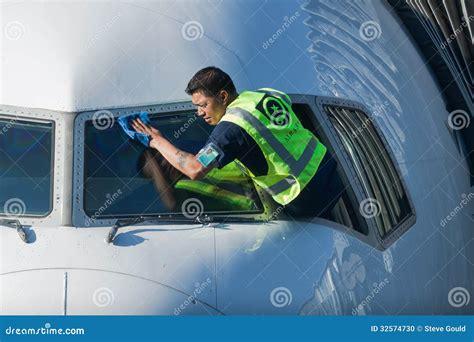
When it comes to maintaining the clarity and safety of aircraft windshields, proper cleaning is paramount. Rental plane windshield cleaning can be a bit tricky, especially considering the sensitive nature of the materials used in aircraft windows. Whether you’re a student pilot or a seasoned flyer, understanding how to clean a rental plane’s windshield effectively is crucial. In this article, we’ll walk you through the most reliable techniques, tools, and products that will ensure your aircraft’s windshield remains clean and scratch-free, ensuring safe and comfortable flights.
Why Windshield Cleaning Matters
Cleaning the windshield of a rental aircraft is not just about aesthetic appeal. The primary purpose of cleaning the windshield is safety. Bugs, dirt, and other debris can obstruct visibility, creating a dangerous situation, particularly when flying at high speeds or during poor weather conditions. Dirty windshields are more than just an inconvenience—they pose a significant safety risk. For renters, it’s essential to follow proper cleaning protocols to avoid any accidental damage.
Tools and Products for Cleaning Aircraft Windshields
To clean a rental plane’s windshield effectively, using the right tools and products is key. Inappropriate cleaners or rough materials can lead to irreversible damage, such as scratches or cracks. Below are the recommended products for safe and effective windshield cleaning:
- Water and Soft Sponge: Always begin by soaking the windshield with water. The universal solvent is excellent at loosening stubborn bug splatter and dirt. A gentle, soft sponge should be used to remove the grime without causing scratches.
- Aviation-Approved Windshield Cleaners: Products such as Prist or Plexus are specifically designed for aircraft windshields. These cleaners are formulated to remove grime while protecting the delicate surfaces of the canopy. Prist cleaner is a widely used solution in many flight schools and rental aircraft operations.
- Microfiber Towels: Microfiber towels are a must-have for aircraft windshield cleaning. They are gentle on the surface, highly absorbent, and effective at removing residual grime without leaving streaks.
- Pledge Furniture Polish: Many pilots swear by using Pledge furniture polish on their windshields. While this product may seem unconventional, it leaves a smooth finish that helps future bug splatter come off more easily. It also adds a protective layer to the windshield.
Step-by-Step Guide to Cleaning a Rental Plane Windshield
The process of cleaning a rental plane’s windshield requires patience and the correct technique. Rushing or using the wrong methods can result in scratches or other damage. Here’s a step-by-step guide to follow:
1. Soak the Windshield with Water
Before applying any cleaning solution, thoroughly wet the windshield with water. Allow the water to sit for a few minutes to soften any bug debris. This step is essential, as dried bug splatter can be difficult to remove and may scratch the surface if not softened first.
2. Use a Soft Sponge or Rag
Once the windshield is soaked, use a soft sponge or rag to gently scrub away the loosened grime. Make sure to apply minimal pressure, as too much force can damage the delicate acrylic or plexiglass. Always use circular motions to avoid creating linear scratch patterns.
3. Apply Aviation Cleaner (If Necessary)
For stubborn spots or particularly dirty windshields, apply a small amount of aviation cleaner. Solutions like Prist or Plexus are designed for this purpose. Allow the cleaner to sit for a few moments, softening the grime. Use a microfiber cloth to gently wipe away the debris in a vertical motion—never wipe in circles or side to side, as this can create streaks or scratches.
4. Buff with a Clean Microfiber Cloth
After removing the dirt and cleaner, use a clean, dry microfiber cloth to buff the windshield. This will remove any remaining cleaner residue and leave the surface shiny and clear.
Common Mistakes to Avoid When Cleaning Windshields
Even with the best tools and techniques, certain common mistakes can lead to poor results or permanent damage to an aircraft’s windshield. Here are the most frequent errors to avoid:
- Using Abrasive Materials: Never use paper towels, rough sponges, or other abrasive materials. These can scratch the acrylic or plexiglass and compromise the integrity of the windshield.
- Scrubbing: Always avoid scrubbing the windshield, especially when bug splatter has dried. Instead, use water to soak and soften the debris before gently wiping it away.
- Using Household Cleaners: Many household cleaning products are not safe for use on aircraft windshields. These products may contain chemicals that can cause discoloration or damage to the material. Stick to aviation-specific cleaners whenever possible.
- Wiping Side to Side: Wiping a windshield in a side-to-side motion can leave scratch marks. Always wipe in the direction of the wind (front-to-back for the main windshield and top-to-bottom for side windows).
Additional Tips for Maintaining a Clean Windshield
Keeping your rental plane’s windshield clean is not just about removing dirt—it’s also about protecting the surface and ensuring clear visibility during flight. Here are a few additional tips to maintain the clarity of your windshield:
- Regular Cleaning: Clean the windshield regularly to prevent the build-up of bug debris, which can become harder to remove over time. The more often you clean it, the easier it will be to maintain its clarity.
- Avoid Harsh Weather: If possible, avoid flying in conditions that might result in extreme dirt or bug splatter. Flying in such conditions will require more frequent cleaning, which increases the chances of scratching the windshield.
- Use a Windshield Cover: If the aircraft is not in use for an extended period, consider using a windshield cover to protect the glass from dirt, debris, and harsh weather elements. This will make the cleaning process much easier when you’re ready to fly.
Conclusion
Cleaning a rental plane’s windshield may seem like a simple task, but it requires attention to detail and the right approach. By using the correct products and techniques, you can ensure that the windshield remains clear, scratch-free, and safe for your flight. Remember, always be gentle, use aviation-approved cleaners, and avoid abrasive materials. A little patience and the right tools can go a long way in keeping your rental aircraft’s windshield in top condition. Safe flying!